Da Nang Travel Guide Practical planning, local food context, and a calmer way to shape the trip well
Too many city guides feel rushed, generic, or written as if every traveler wants the same trip. This one is built in the Mangoes & Palm Trees editorial style instead: spacious, clear, culturally respectful, and designed to help readers move from inspiration to real planning without the noise.
What is Da Nang best for?
Da Nang works especially well for travelers who want a Vietnam base that balances beach time, city convenience, food culture, and easy onward planning. Instead of treating it as only a stop between bigger names, this guide frames Da Nang as a practical coastal hub with enough range for families, couples, and slower travelers who care about rhythm as much as sightseeing.
At Mangoes & Palm Trees, we do not want our travel pages to read like clipped booking copy or listicle filler. We build them to feel editorial and useful at the same time, with clear trust signals, generous reading space, and direct pathways into the wider family archive.
This Da Nang guide is presented as a research-backed planning page unless a later section is clearly marked as first-hand, updated from the field, or family-tested. That distinction matters to our brand, because editorial clarity should come before style, not after it.
If you are shaping a broader Southeast Asia journey, it also helps to place Da Nang inside a larger travel and food context. That is why this opening routes naturally into our Asia travel guides, our wider travel destinations archive, our restaurant guides, and Vietnam-adjacent drink pages like Vietnamese coffee and cà phê sữa đá.
The goal is simple: give readers a confident starting point, make the trust path visible early, and keep the article elegant enough to feel like a premium editorial feature instead of a crowded utility page.
Coffee, Ice, Mango, and a Slower Da Nang Rhythm
Some travel memories begin with a skyline. Others begin with the first cold glass set down in front of you.
The drinks gave the afternoon its real texture. The iced coffee carried that familiar Vietnamese depth, while the mango brought a softer, brighter tropical note that made everything feel more coastal and unhurried.
This is also why beverage culture matters on Mangoes & Palm Trees. We do not treat drinks as filler between meals; we treat them as part of place, memory, climate, and the way a destination actually feels once you stop rushing through it.
From here, you can naturally route readers into the wider archive through our Drinks hub, our broader Travel Guides, and the more personal family voice that shapes the family food and travel archive.
Why Da Nang Felt Easy to Sink Into
Some destinations ask you to perform tourism. Da Nang, at least in our experience, felt easier than that. It gave us room to move slowly, notice small comforts, and enjoy the kind of travel day that still feels workable when you care about rhythm, food, and family practicality.
It gave the day breathing room
What stayed with us was not one dramatic attraction, but the sense that Da Nang let ordinary moments breathe. Coffee lasted longer, walks felt less compressed, and even simple stops carried more calm than pressure. That slower cadence made the destination feel generous rather than demanding.
It worked beyond the postcard view
This is the part many guides skip. A destination can be beautiful and still feel tiring in real life. Here, the balance between city energy, beach openness, relaxed café culture, and easy food stops made the day feel more usable than performative.
The small details did the real work
For us, the memory of Da Nang now lives in temperature, drinks, color, atmosphere, and the feeling of moving through the day without friction. That is usually the sign that a place has actually landed, because the experience stays with you long after the checklist fades.
What this part of the trip connected us back to
The stronger lesson was not only about Da Nang itself, but about the type of destination we keep returning to as a family: places that are sensory without being chaotic, beautiful without being exhausting, and easy to thread into a wider travel day without losing their own character. That mix of comfort, texture, and practicality is what turns a stop into a place people genuinely remember well.
- Continue into the wider Travel Guides archive for more grounded destination reading.
- Follow the beverage side of the story through our Drinks hub.
- Keep the family perspective visible through our family food and travel archive.
- Route readers into the wider site identity through the About Us page.
Da Nang in real moments, not just highlights
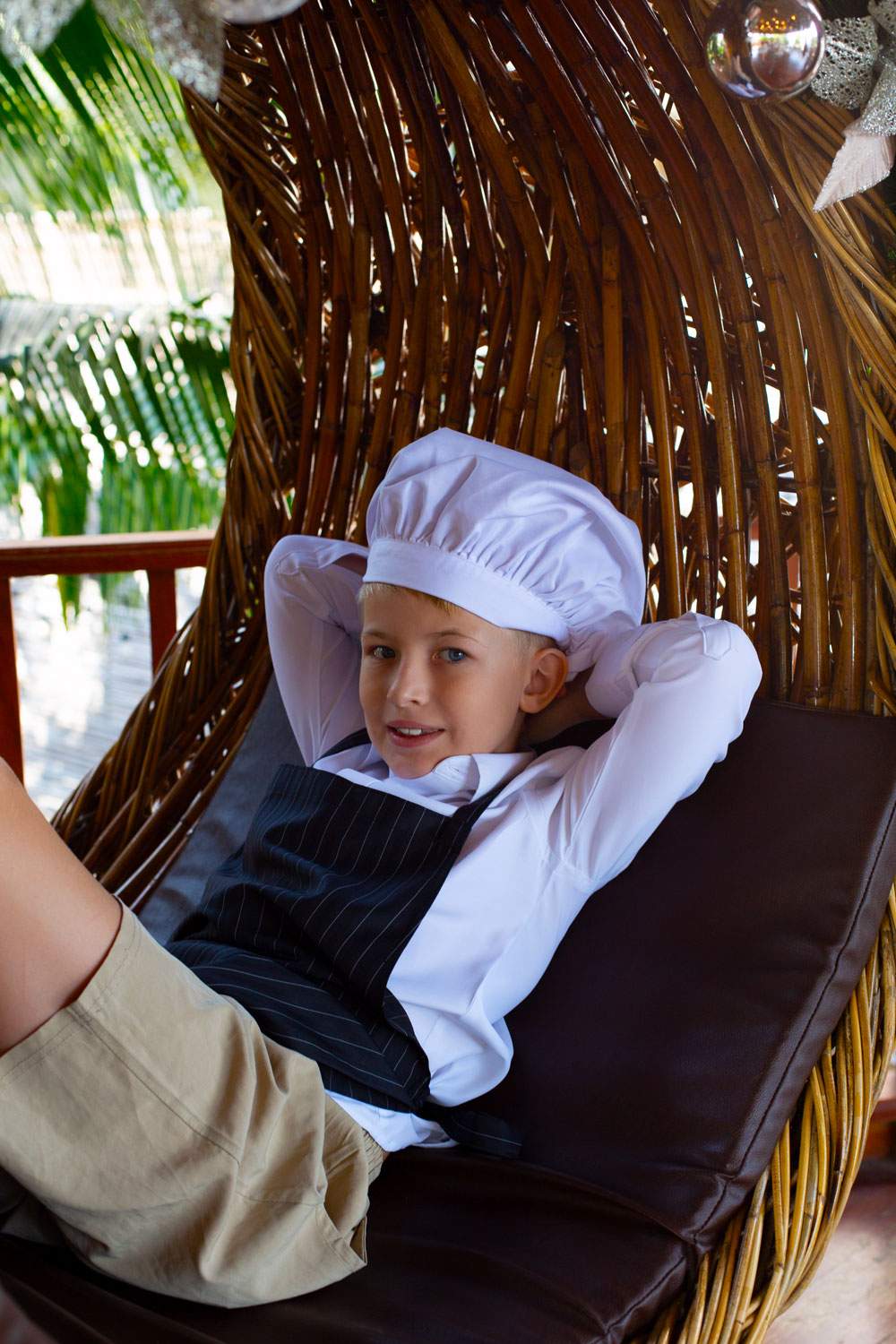
A good travel guide should feel grounded in place. These moments add texture to Da Nang beyond the usual checklist, showing how the city moves through coffee culture, temple calm, seaside color, family travel, and the food memories that often stay longest.

A softer side of the city
Da Nang has enough energy to keep a trip moving, but some of its best moments are quieter than that. A café stop like this brings the city back down to human scale, where the day feels less rushed and more enjoyable.
Where the pace becomes reflective
Not every memorable part of Da Nang is loud or iconic. Some places are memorable because they slow the day down, giving space for detail, calm, and the kind of atmosphere that turns sightseeing into something more absorbing.
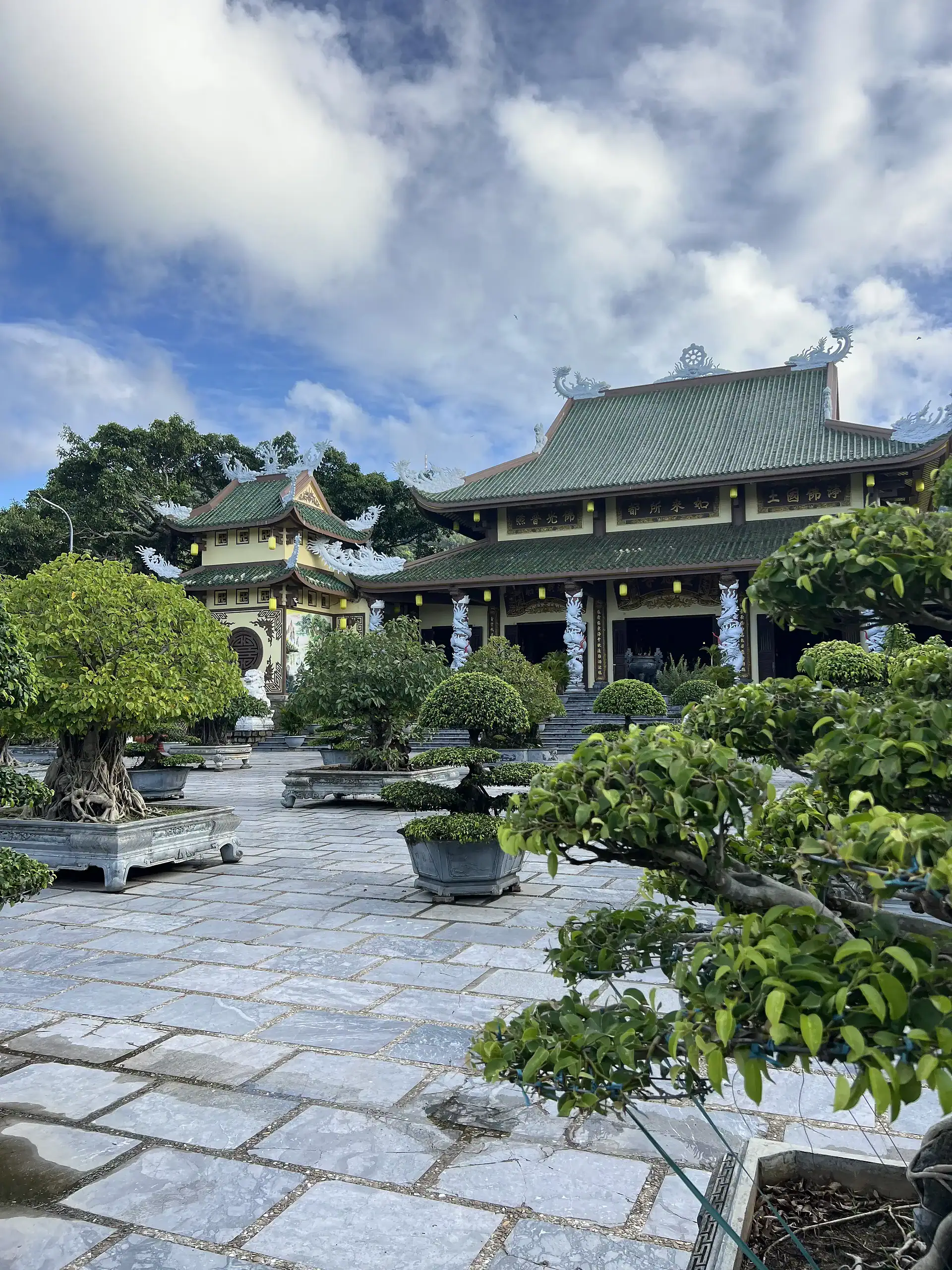
A city with more than one texture
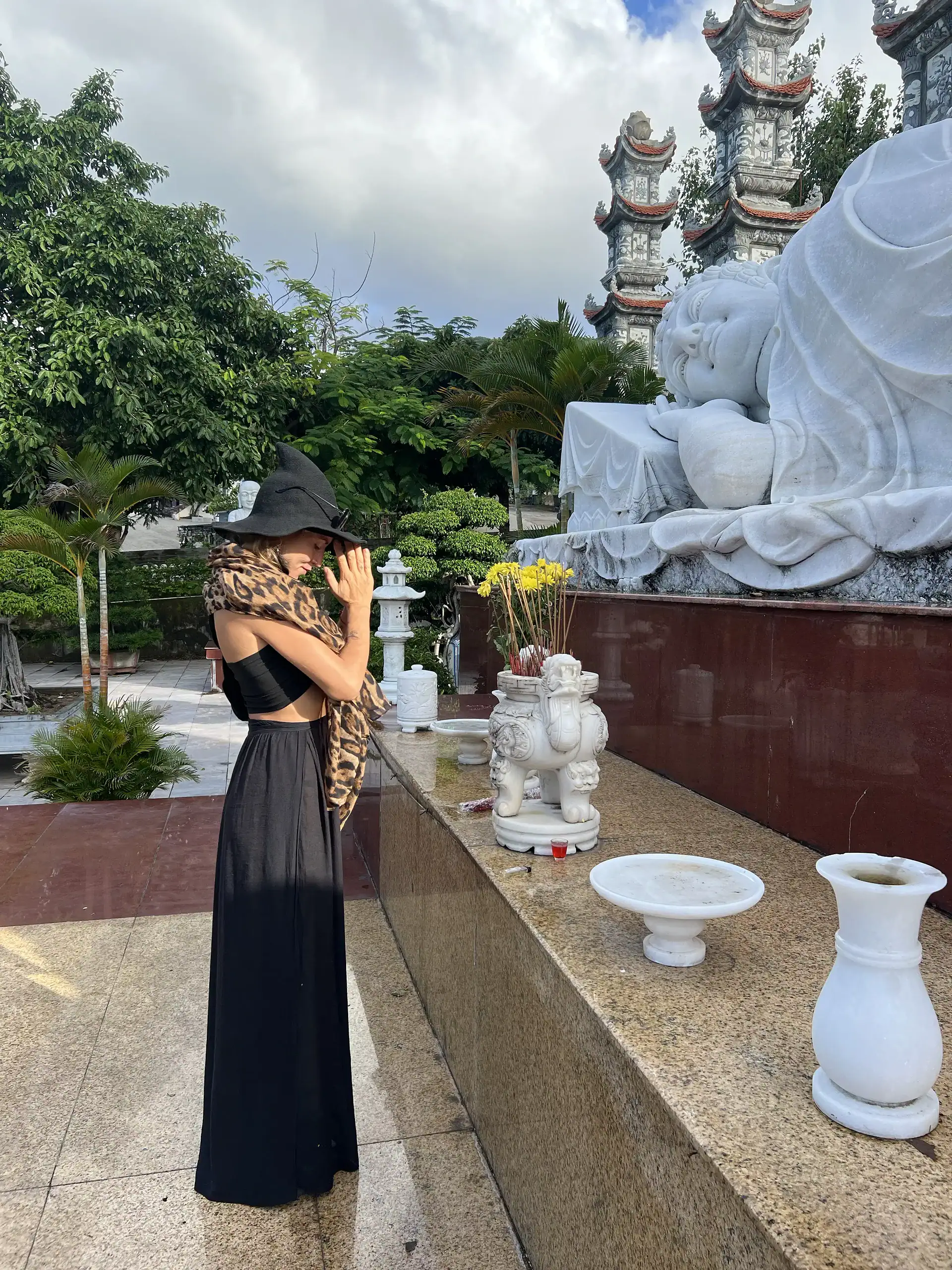
Temple spaces like this widen the picture of Da Nang. They balance the beach-and-city reputation with something more rooted, reminding readers that the destination also rewards slower observation and cultural curiosity.
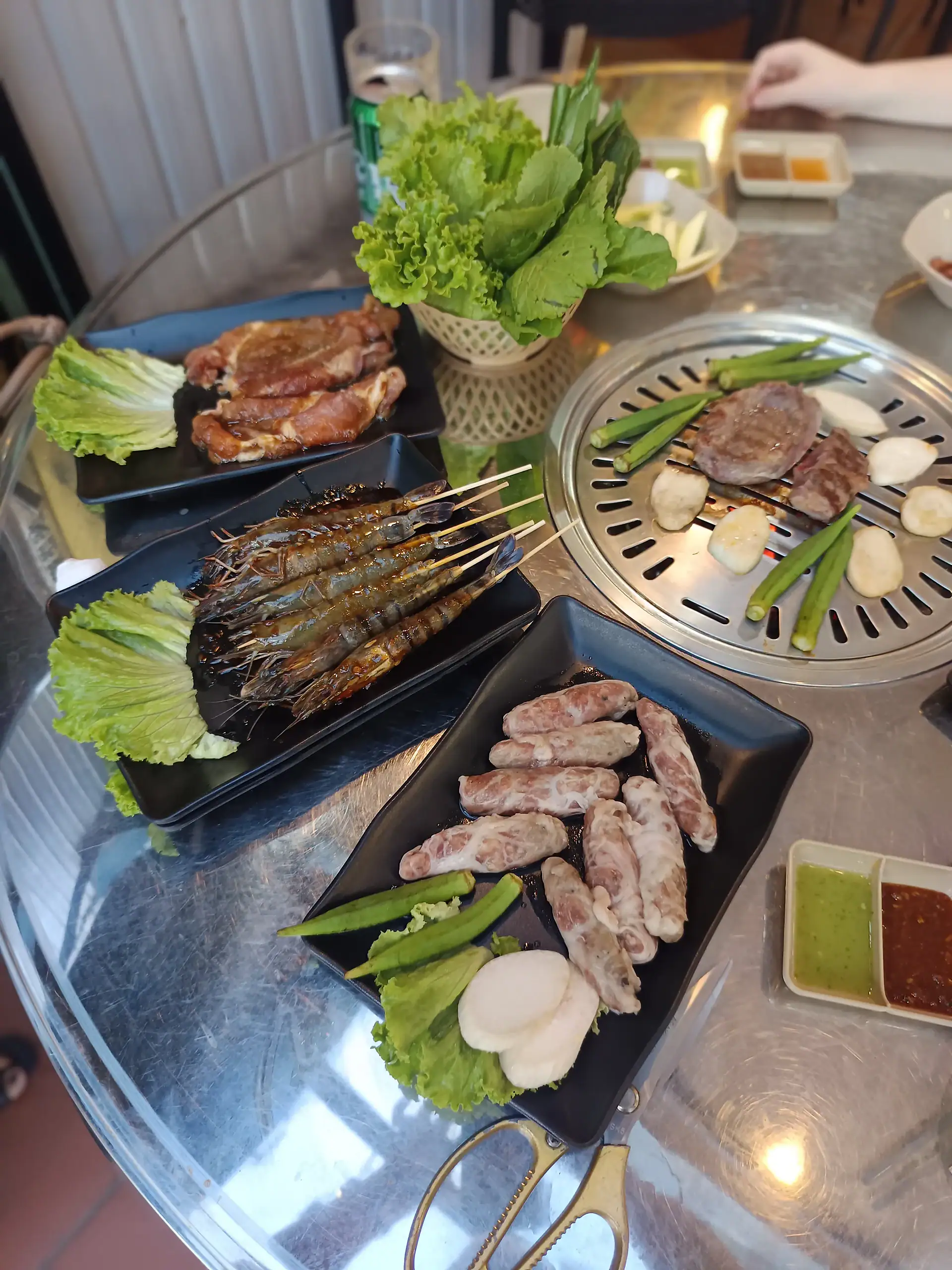
The meal becomes part of the place
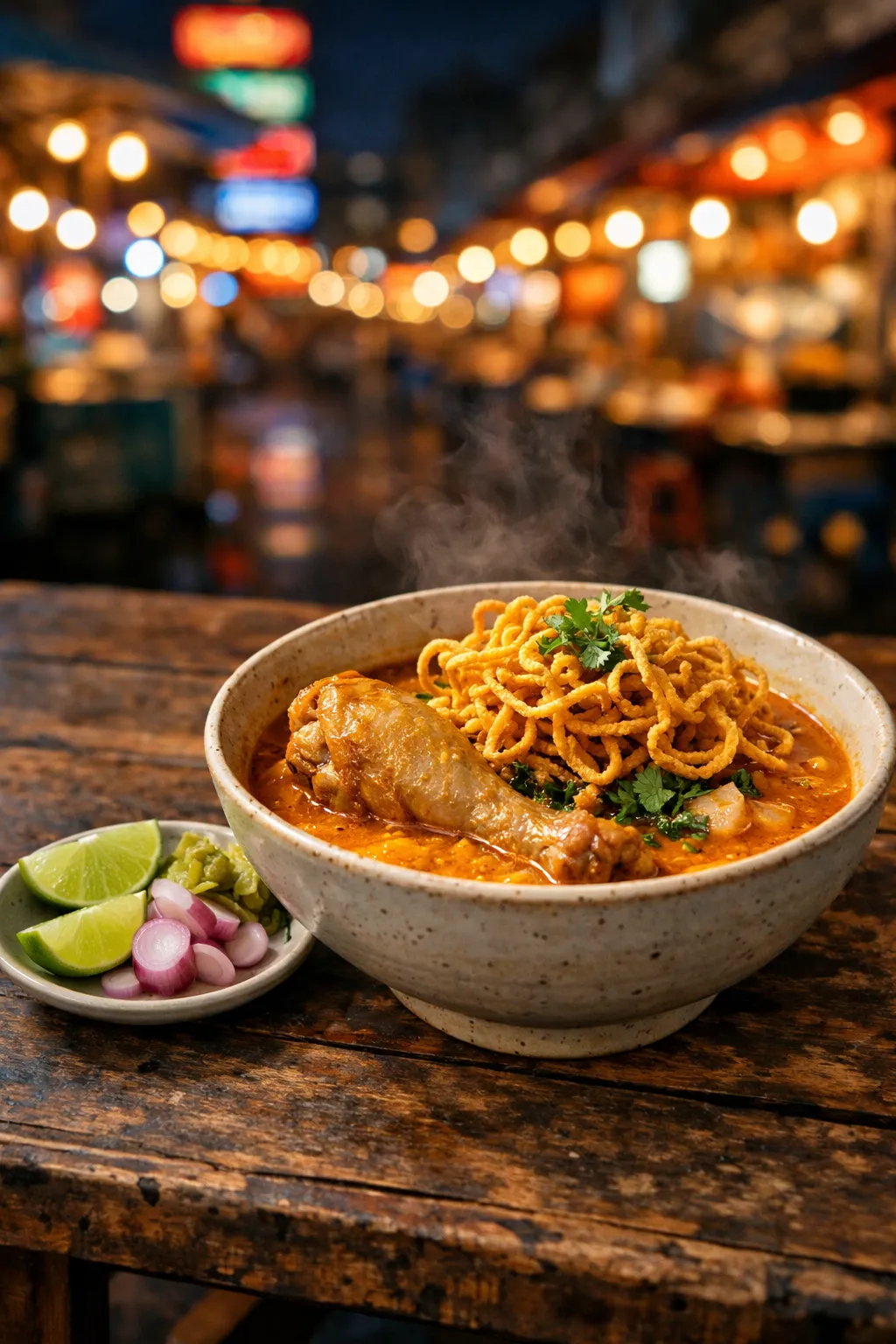
Da Nang is easiest to remember when food is part of the story rather than an afterthought. A table like this captures the destination in a more sensory way, where heat, freshness, seafood, and shared eating all become part of the travel memory.
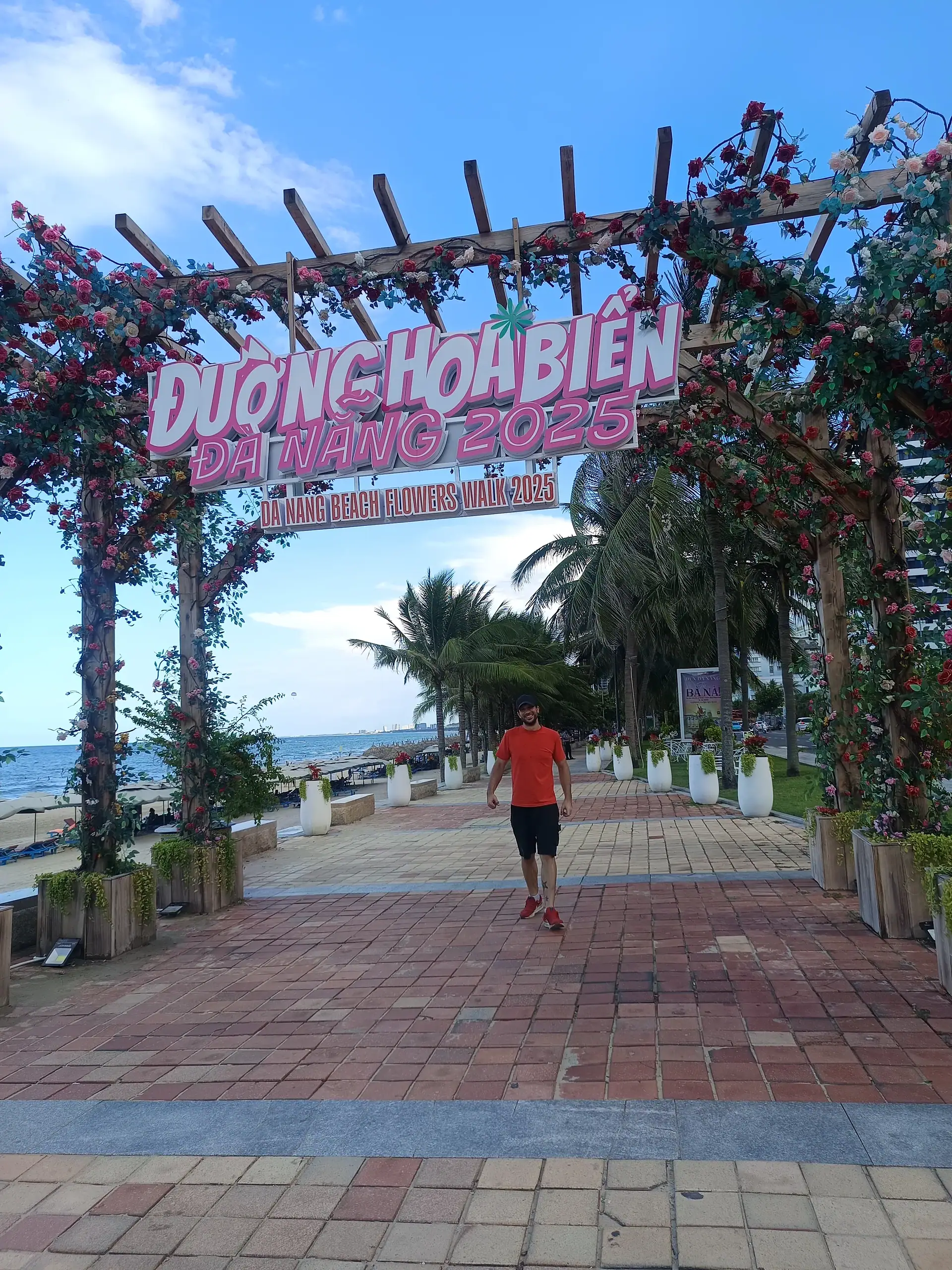
The brighter public face of Da Nang
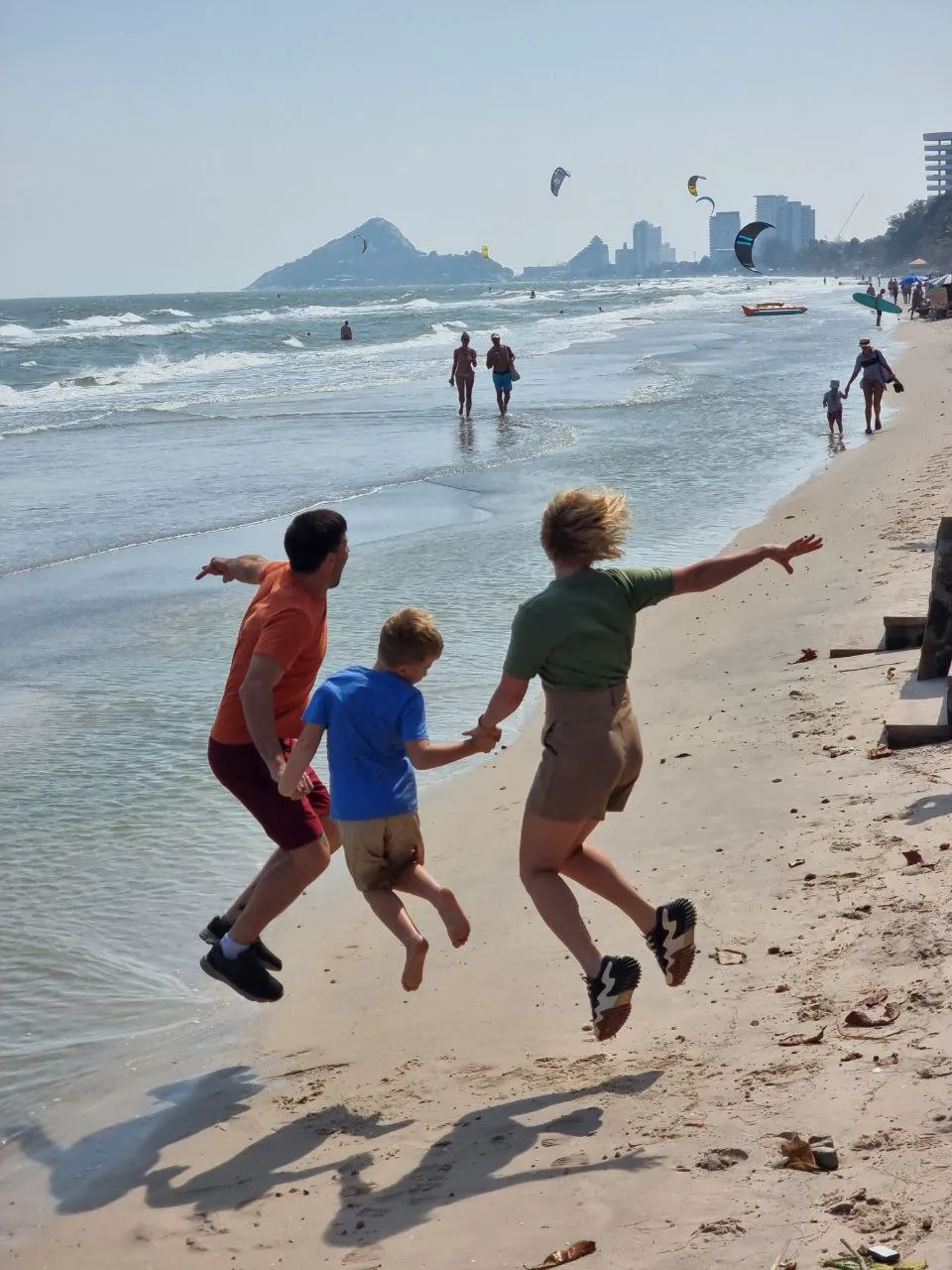
This side of the city feels open, warm, and easy to enjoy. Palm-lined walks, floral displays, and coastal light give Da Nang a more playful tone without losing the calmer rhythm that makes it appealing in the first place.
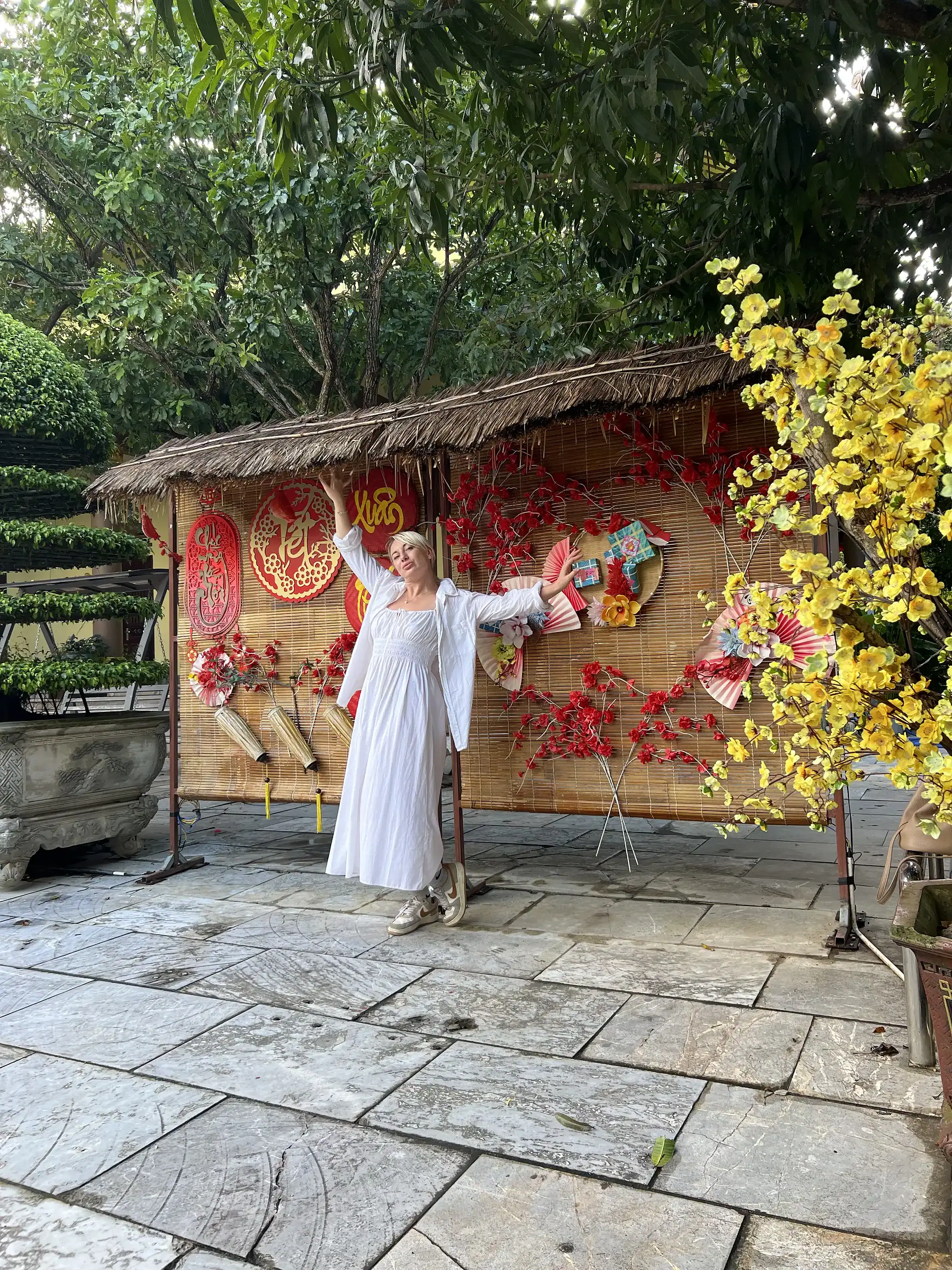
A recognisable Da Nang anchor
Places like Lady Buddha help tie the atmosphere of the article back to one of Da Nang’s most recognisable settings. It brings together gardens, scale, and a stronger sense of destination without making the page feel over-scripted.
Explore more of the Da Nang and Vietnam story
If Da Nang fits the kind of trip you are planning, it also works well as part of a broader Vietnam or Southeast Asia itinerary. That is where food, café culture, coastal pacing, and day-to-day travel rhythm start to matter just as much as the headline sights.
You can continue through our wider destination archive, follow the drinks side of the story, or explore the family travel perspective behind how we document places like this across Mangoes & Palm Trees.
Why Visit Da Nang
If you want a place that feels easier to enjoy without losing character, Da Nang is worth your time. It gives you beach space, city convenience, food culture, and a calmer travel rhythm in a way that can feel more liveable than many faster, more demanding stops.
Da Nang works especially well when you want your trip to feel good while you are living it, not just when you look back at the photos later.
One of Da Nang’s strongest qualities is that it feels usable. That matters more than it sounds. Some places look beautiful in photographs but become tiring once transport, meals, weather, and pacing all start to pile up. Da Nang often feels easier to settle into, which gives you more energy to actually enjoy where you are.
It can also work for you in different ways depending on the kind of trip you want. You might come here for the beach and a slower coastal rhythm, or you might be more interested in the food, cafés, and the ease of using the city as part of a wider Vietnam journey. That flexibility is part of what makes it worth considering properly instead of treating it like a place you simply pass through.
If you like your destinations to have range, Da Nang gives you that too. There is enough openness for a more relaxed stay, enough city structure to keep things practical, and enough local character to stop the experience from feeling interchangeable. It is one of those places that can support a softer pace without becoming dull.
If food shapes the way you travel, Da Nang becomes even more interesting. From here, you can move naturally into our Drinks hub, explore Vietnam-linked pages like Vietnamese Coffee and Cà Phê Sữa Đá, or continue into the broader Asia Travel Guides archive.
Where Da Nang sits in the wider story
On Mangoes & Palm Trees, we do not separate travel planning from food, family rhythm, and the lived feel of a place. That is why Da Nang belongs not only in our Travel Guides collection, but also alongside our family food and travel archive, our Restaurant Guides, and our wider destination coverage across Asia.
From here, the next practical question is simple: where should you stay so the city fits the kind of Da Nang trip you actually want?
Where to Stay in Da Nang
The right part of Da Nang makes the whole trip feel easier. Instead of thinking about hotels first, it helps to choose your area around how you actually want your days to feel: more beach, more city, more food, or a softer mix of all three.
A simple way to think about Da Nang is to choose between staying closer to the beach, closer to the river and city, or somewhere that splits the difference for you.
Many people find it easiest to stay on the beach side of the city, in areas where you can walk to the sand but still reach cafés and restaurants without needing complicated transport every time you go out. That balance matters once you are tired from the heat or from a longer Vietnam itinerary and you simply want the day to work.
If you prefer a more urban feel, staying closer to the river and bridges pulls you into Da Nang’s city energy instead. You will trade some immediate beach access for easier access to local food, everyday errands, and evening walks along the riverfront, which can work well if you like the sense of being in the middle of things.
For a first trip, you generally want an area that lets you move between coffee, the beach, and simple meals without overthinking it. Even if you plan to leave Da Nang for day trips, where you sleep will still shape how calm or tiring those days feel.
If you already know you enjoy pairing coastal cities with strong food and café culture, Da Nang fits that pattern well. It is the kind of place where your accommodation choice can either support that rhythm or fight against it.
- Walking access to the beach or river
- Cafés and casual food within easy reach
- Simple transport for day trips
- A pace that fits how you actually travel
How this fits the wider planning page
The goal here is not to pin you to one exact street, but to help you choose the kind of Da Nang stay that fits the way you prefer to travel. Once that piece feels clear, it becomes much easier to sort through specific hotels and apartments without feeling overwhelmed.
From here, the next step in this guide moves naturally into what to eat and drink in Da Nang, because food and coffee usually do as much work as any map when it comes to shaping how a place actually feels.
What to Eat in Da Nang
The easiest way to remember Da Nang is to let food, coffee, and climate do some of the work for you. Instead of chasing a long list of names, you can build the trip around a few essentials and let the smaller moments fill in the rest.
Rather than thinking of Da Nang as a checklist of “must eat” spots, it helps to think in layers: what you drink first, what you eat by the sea, and what you look for when the day slows down.
Coffee is a natural anchor here. A strong Vietnamese coffee, an egg coffee, or a simple iced version gives you a way to pause and notice where you are instead of just moving through the city. If you enjoy following the drink side of a destination, this is a good place to connect back into our Vietnamese Coffee and Cà Phê Sữa Đá pages.
Seafood and grilled dishes often carry the evening. You will see tables built around shrimp, fish, herbs, and greens, usually with the kind of relaxed shared eating that makes a day by the water feel finished properly. It is less about finding the single “best” restaurant and more about choosing a place where the meal matches the pace you are aiming for.
Morning and midday
In the earlier part of the day, lean into coffee, light noodles, and whatever feels manageable in the heat. A simple bowl, a bánh mì, or something that pairs well with iced coffee is often enough to keep the rhythm easy.
Evening and after dark
Later on, look for grilled seafood, hot dishes that still feel light enough to enjoy in the warmth, and small desserts or fruit that do not tip the day into heaviness. This is usually when Da Nang feels most alive around the table.
- Use coffee stops as natural breaks in your walking routes.
- Plan at least one seafood-heavy meal that feels unhurried.
- Leave space for something grilled or smoky in the evening.
- Keep a little room for fruit, smoothies, or something cold.
Why this matters for planning
The point is not to eat everything, but to let a few well-chosen food and coffee moments shape how Da Nang feels while you are there. When those pieces land, the rest of the city usually feels easier to understand.
From here, the natural next step is timing: when to visit Da Nang so the weather, crowds, and trip rhythm line up with the kind of experience you want.
Best Time to Visit Da Nang
You want Da Nang when the beach works, the heat stays manageable, and your days can unfold without constant weather interruptions. That usually means aiming for the dry months when both comfort and coastal rhythm line up best.
Da Nang shines brightest from February through May, when you get sun, manageable warmth, and enough beach time without the heavier rains or intense midday heat that can make other months feel less workable.
February through April gives you the cleanest weather for being outdoors. The beach stays inviting without feeling crowded, coffee stops feel pleasant rather than sweaty, and you can count on full days rather than half-days interrupted by sudden rain.
May still works well if you prefer mornings and evenings over midday sun. The heat builds toward summer, but early starts let you enjoy the sand, riverfront, and food markets before the day gets too intense.
Best overall window
Dry, sunny, warm but not oppressive. Beach mornings, full exploration days, and evenings that feel easy rather than heavy. This is when Da Nang rhythm feels most natural.
Hotter, still dry-ish
Warmer days with some afternoon showers. Beach stays good but you will want shade and early starts. Seafood evenings still work well if you time around the heat.
Wet season starts
Heavier rains, some flooding risk. City exploration works better than beach time. Good for indoor café culture and shorter stops if Vietnam forms part of a bigger trip.
Cooler, variable
Milder temperatures with occasional rain. Less ideal for beach focus but workable for city walking, food exploration, and using Da Nang as a Vietnam travel base.
If you are connecting Da Nang into a wider Asia Travel Guides route, the February-May timing also lines up naturally with dry conditions across central Vietnam and coastal Thailand.
Where timing fits the bigger picture
Once you know when Da Nang works best for your kind of trip, the practical pieces fall into place more easily. This connects naturally back into our family food and travel blog, Hotel & Resort Guides, and Restaurant Guides for booking and planning.
From here, most trips become about turning this into specific bookings and day shapes. That usually means looking at where to stay and how other destinations fit.
Best Time to Visit Da Nang
You want Da Nang when the beach works, the heat stays manageable, and your days can unfold without constant weather interruptions. That usually means aiming for the dry months when both comfort and coastal rhythm line up best.
Da Nang shines brightest from February through May, when you get sun, manageable warmth, and enough beach time without the heavier rains or intense midday heat that can make other months feel less workable.
February through April gives you the cleanest weather for being outdoors. The beach stays inviting without feeling crowded, coffee stops feel pleasant rather than sweaty, and you can count on full days rather than half-days interrupted by sudden rain.
May still works well if you prefer mornings and evenings over midday sun. The heat builds toward summer, but early starts let you enjoy the sand, riverfront, and food markets before the day gets too intense.
Best overall window
Dry, sunny, warm but not oppressive. Beach mornings, full exploration days, and evenings that feel easy rather than heavy. This is when Da Nang rhythm feels most natural.
Hotter, still dry-ish
Warmer days with some afternoon showers. Beach stays good but you will want shade and early starts. Seafood evenings still work well if you time around the heat.
Wet season starts
Heavier rains, some flooding risk. City exploration works better than beach time. Good for indoor café culture and shorter stops if Vietnam forms part of a bigger trip.
Cooler, variable
Milder temperatures with occasional rain. Less ideal for beach focus but workable for city walking, food exploration, and using Da Nang as a Vietnam travel base.
If you are connecting Da Nang into a wider Asia Travel Guides route, the February-May timing also lines up naturally with dry conditions across central Vietnam and coastal Thailand.
Where timing fits the bigger picture
Once you know when Da Nang works best for your kind of trip, the practical pieces fall into place more easily. This connects naturally back into our family food and travel blog, Hotel & Resort Guides, and Restaurant Guides for booking and planning.
From here, most trips become about turning this into specific bookings and day shapes. That usually means looking at where to stay and how other destinations fit.
Da Nang: A 2026 Perspective
To help you visualize the coastal atmosphere and city rhythm we’ve explored, we have audited current visual documentation to find the most accurate representation of Da Nang’s present energy.
At Mangoes & Palm Trees, we believe travel planning requires a multimodal approach. We selected this March 2026 walkthrough by SocialSamy because it provides an unfiltered, street-level record of the city’s infrastructure. It perfectly illustrates the “calm coastal rhythm” and the walkability between the My Khe beachfront and the river bridges that we recommend for families.
Master FAQ: Da Nang Trip Planning
What is the best area to stay in Da Nang for families?
Staying beach-side allows for easy morning rhythms, while the city’s Dragon Bridge and riverfront remain a short, affordable Grab ride away for evening exploration.
Is the street food in Da Nang safe for international travelers?
As hospitality professionals, we always recommend beginning with cooked-to-order dishes like Bánh Xèo or Mì Quảng, which utilize high heat to ensure food hygiene.
How do I get around Da Nang efficiently?
For longer trips to the Marble Mountains or the Son Tra Peninsula, we recommend booking a private driver through your accommodation for a flat half-day rate.
Continue Your Family’s Culinary Adventure
From the salt air of Da Nang to the heritage kitchens of Europe, Mangoes & Palm Trees is built to help you master global flavor and practical family travel with unshakeable confidence.
Institutional Verification & Travel Logic
Our family fieldwork is grounded in first-hand experience, but we don’t believe in guesswork. To protect the integrity of our guides, Natalia’s clinical background and Oliver’s hospitality discipline lead us to cross-reference our Da Nang advice with the world’s most trusted meteorological, health, and logistical databases.
Central Coast Seasonality
We verify our February–May travel window recommendation via the Vietnam Meteorological and Hydrological Administration, confirming this period holds the lowest precipitation indices and optimal coastal temperatures before the summer heat spikes.
Verify Climate DataTropical Hygiene Protocols
Our advice on eating cooked-to-order dishes like Bánh Xèo directly aligns with the World Health Organization’s “5 Keys to Safer Food” protocols for Southeast Asia, ensuring families can explore local flavors safely via high-turnover stalls.
Verify Health StandardsVerified Transport Systems
Our recommendation to utilize the Grab app for city navigation is corroborated by official international travel advisories (including the UK FCDO), which highlight registered ride-hailing as the safest method for transparent pricing and GPS tracking in Vietnam.
Verify Travel LogisticsSon Tra & Regional History
To ensure cultural respect, we verify the historical and architectural significance of sites like the Lady Buddha and the Marble Mountains through the official Vietnam National Authority of Tourism archives.
Verify Cultural ContextFamily-Led • Hospitality-Trained

Oliver Mayerhoffer
Author Profile
Natalia Mayerhoffer
Meet Natalia