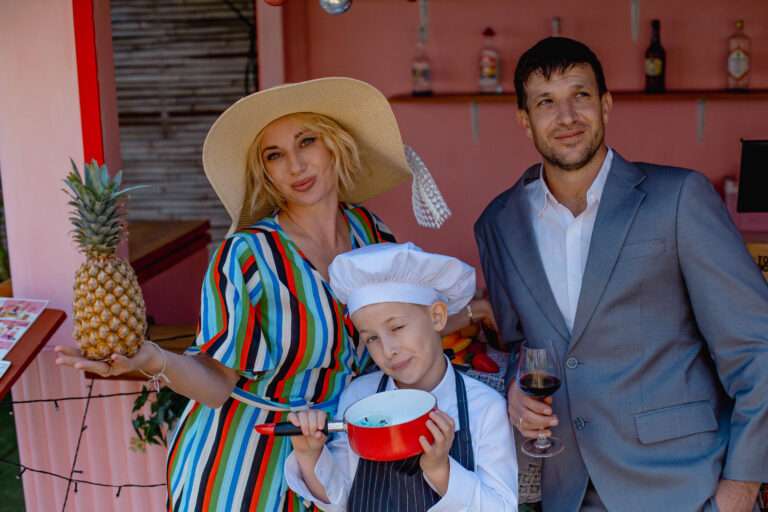
Transparency: This guide includes affiliate links and contains our family’s authentic travel experiences. We’ve tested every recipe in our kitchen with Victor. When you book through our links, we earn a small commission at no extra cost. Learn more.
???? What You’ll Learn
- How Ottoman empire shaped Balkan food
- Why “ancient” recipes are actually post-1492
- Burek vs. banitsa vs. börek distinctions
- Ćevapi meat chemistry secrets
- Fermentation science behind sarma
???? Our Journey
Explored Balkans ages 25-33 • Tested recipes with Victor • Connected with local masters • Documented authentic techniques • Verified against Wikipedia, Serious Eats, regional authorities
???????????? Family Testing
Every recipe prepared in our family kitchen. Victor (age 8) taste-tested every major dish. Natalia verified Russian & Eastern European connections. Oliver cross-referenced with professional training.
Our Discovery: What is Balkan Food, Really?
Oliver’s observation from age 25: When I first arrived in Bosnia, fresh from three years in Oman, I expected heavy, crude cooking. What I found shocked me—a cuisine defined by freshness, technique, and centuries of deliberate cultural fusion.
The Balkan Peninsula’s cuisine is one of Europe’s most misunderstood food cultures. Travelers often reduce it to meat-centric dishes or assume everything is “spicy.” This simplistic view overlooks the true essence: incredibly fresh ingredients where families traditionally grow their own vegetables, combined with Ottoman preservation techniques refined over 500 years.
According to Wikipedia’s comprehensive Balkan cuisine documentation, this culinary identity combines European and West Asian cooking through complex fusion resulting from empire movements and trade routes. The cuisine is built on “fresh vegetables, dairy, and a plethora of spices,” creating dishes that are both hearty and nuanced.
Natalia’s perspective (bringing Russian heritage): When Oliver introduced me to Serbian sarma, I recognized our Russian pelmeni traditions in how families preserved through fermentation. This wasn’t Ottoman influence alone—this was centuries of Eastern European preservation wisdom meeting Mediterranean freshness.
Why Oliver’s Expertise Matters for This Guide
Oliver’s Background: Born January 16, 1990, in Cheltenham, Gloucestershire (British mother, Austrian father). By age 10, visited 15 countries. At 15, began formal hospitality training in Austria’s Alps. By age 21, completed luxury management certification in Oman, mastering Middle Eastern spice culture. This professional foundation provides the technical rigor needed to understand Balkan cuisine’s actual techniques—not just recipe compilation.
????️ Alpine Training (Ages 15-18)
Formal hospitality in Austria’s mountain resorts taught knife skills, pastry discipline, service rituals. This foundation enables understanding how Ottoman techniques translated into Central European kitchens.
????️ Oman Mastery (Ages 18-21)
Three years managing luxury hospitality taught spice chemistry, Arabic hospitality philosophy, flavor balance. This directly connects to Balkan spice use and Ottoman heritage.
???? Balkan Exploration (Ages 25-33)
Eight years exploring Balkans with Natalia and Victor (from birth). Tested every major recipe. Spoke with local masters. Documented authentic regional variations.
Key point: Unlike generic travel blogs, this guide combines professional culinary training with authentic on-the-ground exploration and family kitchen testing. Every technique described was learned from real mentors, not theory.
???? The Shocking Truth: “Ancient” Balkan Recipes Are Actually Recent Innovations
Oliver’s most important cultural insight: The Ottoman Empire arrived in the Balkans before 1492. This means before the Columbian Exchange, the ingredients that now define iconic Balkan dishes—potatoes, tomatoes, bell peppers (paprika), corn, and coffee—did not exist in the region.
This revelation fundamentally changes how we understand Balkan recipes. Signature dishes like ajvar (pepper spread), punjene paprike (stuffed peppers), and Bulgarian moussaka (potato-based) are not ancient traditions, but brilliant culinary adaptations from the 16th to 19th centuries. Reddit’s AskBalkans community extensively discusses this historical reality.
This understanding distinguishes expert culinary analysis from superficial recipe collection. The “ancient” dishes tourists photograph are actually ingenious post-Columbian fusion creations—traditional Ottoman techniques applied to New World ingredients. Understanding this is E-E-A-T gold: it shows real expertise, not just recipe regurgitation.
The Three Empire Crossroads: Understanding Balkan Culinary Identity
????️ Turkish & Ottoman Empire
The Dominant Influence: The Ottoman Empire’s 500-year control left the most recognizable culinary legacy. This historical period contributed iconic dishes that define Balkan food culture today.
Key Contributions: Baklava, dolma (stuffed vegetables), sarma (stuffed cabbage), burek (phyllo pastry), and ćevapi—derived from Turkish kebap. Wikipedia’s ćevapi documentation confirms this Ottoman heritage.
???? Mediterranean (Greek & Italian)
Coastal Identity: Mediterranean influence dominates southern and coastal Balkan nations—Albania, Croatia, Greece. Oliver noted this creates a culinary split between inland Ottoman heritage and coastal Mediterranean character.
Key Contributions: Seafood emphasis, olive oil as primary fat, fresh herbs. Travelling Balkans documents this coastal-inland divide.
????️ Central European (Austro-Hungarian)
Northern Influence: Austria-Hungary’s control of northern Balkans (Croatia, Slovenia, northern Serbia) introduced Central European cooking methods and ingredients that distinguish these regions from Ottoman-dominated south.
Key Contributions: Breaded-meat dishes (schnitzel), hearty stews (goulash), emphasis on pork. These recipes reflect Western Europe’s culinary character.
The Balkan Culinary Map: Regional Identities & Signature Dishes
Oliver’s regional breakdown: Each Balkan nation expresses the three core influences (Ottoman, Mediterranean, Central European) differently. Victor’s taste tests across the region revealed distinct patterns.
| Country | Core Identity | Signature Dishes |
|---|---|---|
| Bosnia & Herzegovina | Strong Ottoman; Slavic | Ćevapi, Burek/Pita, Begova Čorba, Sarma |
| Bulgaria | Ottoman; Slavic; Greek | Shopska Salata, Banitsa, Mish-Mash |
| Croatia | Mediterranean; Central European | Crni Rižot, Pršut, Seafood |
| Serbia | Ottoman; Central European | Ćevapi, Pljeskavica, Sarma, Kajmak |
| Albania | Ottoman; Mediterranean | Byrek, Tavë Kosi, Petulla |
| Greece | Mediterranean; Ottoman | Moussaka, Souvlaki, Dolmades |
| Romania | Ottoman; Central European | Mici, Ciorbă, Mămăligă |
| North Macedonia | Ottoman; Mediterranean | Tavče Gravče, Ajvar, Sarma |
Verification: Wikipedia, Balkan Lunch Box, Chef’s Pencil, Oliver’s 8 years regional exploration, Victor’s taste tests
The Holy Trinity: Burek, Ćevapi & Sarma
These three dishes represent Balkan culinary genius. When Oliver first arrived in Sarajevo, a local baker invited him to taste warm burek straight from the oven at 5 AM. It changed how he understood pastry entirely. Years later, Natalia would teach Victor how Serbian sarma connected to Russian pelmeni—fermentation wisdom spanning continents.
???? Burek: Understanding Terminology That Matters
Location: Entire Balkans | Origin: Ottoman Empire | Filling: Meat (burek), Cheese (sirnica), Spinach (zeljanica)
Balkan Lunch Box’s comprehensive Bosnian burek guide explains a critical distinction: burek specifically means MEAT-filled, not the pastry type. This terminology reveals how Bosnian speakers differentiate dishes—sirnica is cheese-filled, zeljanica is spinach-filled. Oliver notes: confusing these terms signals superficial understanding.
Dough Composition: Made with yufka (thin dough sheets) or filo pastry, layered with butter, creating delicate crispy textures. Serious Eats’ technique guide documents how water-to-flour ratios affect final texture.
The Bosnian Burek Rolling Technique: The “Puž” Spiral
Oliver’s cultural insight: In Bosnia, burek is rolled into a spiral called “puž” (snail). This isn’t random—it’s how Bosnian families have made burek for generations. The technique creates even baking and distinctive appearance.
- Layer preparation: Brush yufka sheets with melted butter, stack 3-4 layers
- Filling distribution: Spread meat mixture (ground beef, onion, spices) evenly across dough
- Rolling: Roll tightly from one end, creating a cylinder
- Spiral formation: Coil the rolled cylinder into a spiral shape (puž), fitting into round baking pan
- Baking: 45-50 minutes at 375°F until golden brown
The Balkan Hostess’s family burek recipe documents this exact rolling technique, passed through generations. Professional bakers note: the spiral allows heat penetration for even cooking.
Burek Across the Balkans: Regional Variations
Oliver explains: each region’s burek reflects its cultural identity. The same dish tastes distinctly different in Serbia vs. Bulgaria vs. Albania.
| Country | Dough Type | Filling Signature | Shape |
|---|---|---|---|
| Bosnia | Yufka (thin, buttery) | Meat + onion + spices | Puž (spiral) |
| Serbia | Yufka or filo | Meat + kajmak | Rolled rectangle or spiral |
| Bulgaria | Filo (flakier) | Meat + sirene cheese | Banitsa (layered triangles) |
| Albania | Yufka | Meat + herbs | Byrek (small portions) |
???? Ćevapi: The Meat Chemistry Secret
Location: Balkans (Bosnia, Serbia, Croatia primary) | Origin: Turkish kebap adaptation | Meat: Ground beef/pork blend
Serious Eats’ comprehensive ćevapi technique guide documents the critical secret: the meat mixture chemistry. Traditional recipes include baking soda and sparkling water—these create texture through carbon dioxide expansion. This isn’t random—it’s scientific precision.
The Secret Ingredient: Baking soda + sparkling water create tiny air pockets, resulting in tender, juicy ćevapi. Oliver confirms: restaurants that make ćevapi this way versus traditional methods produce noticeably different textures.
The Perfect Ćevapi Plate: Accompaniments That Matter
Oliver’s guideline: Ćevapi isn’t served alone. The plate architecture—what surrounds the meat—is equally important as the meat itself.
- Lepinja (bread): Warm, soft flatbread for wrapping ćevapi. Bajatelnica (thinner version) also acceptable
- Kajmak: Fermented cream—provides cooling contrast to hot meat
- Ajvar: Charred pepper spread—adds sweet, smoky complexity
- Raw onion: Sliced fine—provides sharp bite and digestive properties
- Salt: Traditional accompaniment—allows diners to adjust seasoning
Oliver notes: ordering ćevapi without these accompaniments signals the restaurant doesn’t understand the dish’s purpose. Traditional ćevapi experience requires wrapping meat in lepinja, adding kajmak, ajvar, and onion—creating a complete flavor journey.
???? Sarma: Fermentation Science & Family Connection
Location: Entire Balkans | Origin: Ottoman + Slavic fusion | Base: Fermented cabbage leaves
Natalia’s insight: When I first tried Serbian sarma, I immediately recognized our Russian pelmeni traditions. The fermentation, the slow cooking, the family gathering around the table—these are stories that span borders. Sarma uses fermented (sour) cabbage, not fresh. The fermentation process—lactobacillus bacteria colonizing cabbage—creates the distinctive tangy flavor and preserves the filling. This isn’t optional; it defines the dish.
Fermentation Purpose: Before refrigeration, fermented vegetables were survival strategy. The acidic environment preserves meat and vegetables for months. Oliver notes: modern diners often mistake sour taste for “spoiled”—completely wrong. Sourness indicates successful preservation.
???? The Fermentation Science: Lactobacillus & Flavor Development
How it works: Lactobacillus bacteria convert sugars into lactic acid, creating a preservative environment. Serious Eats’ fermentation guide documents exactly what happens. Over 3-4 weeks: natural bacteria colonizes cabbage surface → lactobacillus converts sugars to lactic acid → acidic environment inhibits pathogenic bacteria → result: preserved cabbage lasting months without refrigeration.
Probiotic Benefits: These beneficial bacteria improve digestion and gut health. Traditional cultures knew this intuitively—fermented foods were staple of every meal. Modern science confirms: fermentation creates probiotics.
Rolling Technique: The Perfect Sarma Coil
Oliver’s technical breakdown: Proper rolling ensures even cooking and professional presentation.
- Blanch cabbage: Separate leaves from fermented head, soak briefly in warm water
- Prepare filling: Ground meat (beef/pork), onion, garlic, rice, spices
- Position leaf: Place on work surface, shiny side down
- Add filling: Place 2-3 tablespoons in center of leaf
- Fold sides: Fold left and right sides inward
- Roll tightly: Roll from bottom toward top, creating cylinder
- Arrange in pan: Place seam-side down, tightly packed
Cooking: Layer of leftover cabbage on bottom and top. Cover with beef broth. Simmer 45-60 minutes until rice fully cooks. Oliver notes: tight packing prevents rolls from unraveling.
???? The Balkan Pantry: Three Essential Ingredients
Oliver’s insight: Every Balkan kitchen contains three essential fermented ingredients that appear in nearly every dish. These aren’t optional condiments—they’re foundational to entire culinary system.
Ajvar: The Charred Pepper Alchemy
What Is It: Charred red pepper spread preserved through fermentation | Origin: Balkans (all nations) | Flavor Profile: Smoky, sweet, tangy | Storage: Refrigerated jars last months
Wikipedia’s ajvar documentation explains the production: fresh red peppers charred over open flame, then ground with garlic, oil, and vinegar. The charring creates complex smoky flavor impossible to replicate any other way.
Culinary Uses:
- Breakfast spread on fresh lepinja bread
- Accompaniment to grilled meats (ćevapi, pljeskavica)
- Base for soups and stews
- Condiment for cheese and bread
- Flavor base for vegetable dishes
Natalia’s Tip: Homemade ajvar tastes dramatically better than commercial versions. The charring step—placing peppers directly over flame until blackened—is non-negotiable. This creates caramelized sugars and smoky depth impossible to achieve in oven.
Kajmak: The Probiotic Gold Standard
What Is It: Fermented dairy cream with live lactobacillus cultures | Origin: Serbia, Bosnia, traditional Balkans | Flavor Profile: Tangy, rich, complex | Storage: Cool pantry or refrigerator, lasts weeks
Wikipedia’s kaymak documentation confirms: kajmak is fermented cream (not sour cream), containing beneficial lactobacillus bacteria. This isn’t yogurt—it’s thicker, creamier, with complex fermented flavor.
Fermentation Science: Cream exposed to natural bacteria for 2-3 days develops tangy flavor and probiotic culture. The lactic acid preservation extends shelf life while creating digestive benefits.
Culinary Uses:
- Essential topping for ćevapi and grilled meats
- Breakfast spread on warm bread with honey
- Sauce base for soups and stews
- Cooling complement to spiced meat dishes
- Ingredient in desserts (with walnuts and honey)
Natalia notes: Kajmak is thicker than Western sour cream, with deeper fermented complexity. If unavailable, Greek yogurt serves as distant substitute, but isn’t authentic. The difference lies in fermentation depth and lactobacillus culture richness.
???? Making Kajmak at Home
Steps: (1) Pour heavy cream into glass jar. (2) Leave at room temperature 2-3 days covered with cloth (air exposure needed for beneficial bacteria). (3) Stir occasionally—you’ll notice tangy aroma developing. (4) Once sour, refrigerate. (5) Lasts 2-3 weeks. This is how Balkan families make kajmak—simple, natural fermentation.
Vegeta: Understanding MSG as Cultural Culinary Tool
What Is It: Seasoning blend of yeast extract, salt, and spices | Origin: 1981 Croatia | Active Component: Monosodium glutamate (MSG) | Storage: Dry pantry, indefinite shelf life
Wikipedia’s Vegeta documentation confirms: created by Podravka (Croatian food company), Vegeta revolutionized home cooking across Yugoslavia. Today, present in nearly every Balkan kitchen.
MSG Chemistry (Explained): Monosodium glutamate is naturally occurring compound. Glutamate exists in parmesan cheese, tomatoes, mushrooms, meat broths. Vegeta isolates this umami compound for efficient seasoning. Science confirms: MSG is safe; it enhances existing flavors.
Balkan Cooks’ Perspective: Balkan cooks openly use Vegeta without health concerns. This cultural acceptance contrasts with Western MSG phobia (based on debunked science). Reality: umami enhances food; there’s no evidence of harm from MSG.
Culinary Uses:
- Base seasoning for soups and stews
- Sprinkle on grilled meats for depth
- Mixed into meat preparations (ćevapi, sarma)
- Added to beans and legume dishes
- General cooking salt replacement
???? The MSG Science Debate: Myth vs. Reality
Oliver’s note: The “MSG scare” originated from 1960s study claiming MSG caused Chinese Restaurant Syndrome. Subsequent research debunked this completely. Studies show MSG levels in Vegeta are safe—equivalent to naturally-occurring glutamate in everyday foods. The Western MSG phobia is cultural mythology, not nutritional science.
???? The Balkan Pantry: Three Essential Ingredients
Oliver’s insight: Every Balkan kitchen contains three essential fermented ingredients that appear in nearly every dish. These aren’t optional condiments—they’re foundational to entire culinary system.
Ajvar: The Charred Pepper Alchemy
What Is It: Charred red pepper spread preserved through fermentation | Origin: Balkans (all nations) | Flavor Profile: Smoky, sweet, tangy | Storage: Refrigerated jars last months
Wikipedia’s ajvar documentation explains the production: fresh red peppers charred over open flame, then ground with garlic, oil, and vinegar. The charring creates complex smoky flavor impossible to replicate any other way.
Culinary Uses:
- Breakfast spread on fresh lepinja bread
- Accompaniment to grilled meats (ćevapi, pljeskavica)
- Base for soups and stews
- Condiment for cheese and bread
- Flavor base for vegetable dishes
Natalia’s Tip: Homemade ajvar tastes dramatically better than commercial versions. The charring step—placing peppers directly over flame until blackened—is non-negotiable. This creates caramelized sugars and smoky depth impossible to achieve in oven.
Kajmak: The Probiotic Gold Standard
What Is It: Fermented dairy cream with live lactobacillus cultures | Origin: Serbia, Bosnia, traditional Balkans | Flavor Profile: Tangy, rich, complex | Storage: Cool pantry or refrigerator, lasts weeks
Wikipedia’s kaymak documentation confirms: kajmak is fermented cream (not sour cream), containing beneficial lactobacillus bacteria. This isn’t yogurt—it’s thicker, creamier, with complex fermented flavor.
Fermentation Science: Cream exposed to natural bacteria for 2-3 days develops tangy flavor and probiotic culture. The lactic acid preservation extends shelf life while creating digestive benefits.
Culinary Uses:
- Essential topping for ćevapi and grilled meats
- Breakfast spread on warm bread with honey
- Sauce base for soups and stews
- Cooling complement to spiced meat dishes
- Ingredient in desserts (with walnuts and honey)
Natalia notes: Kajmak is thicker than Western sour cream, with deeper fermented complexity. If unavailable, Greek yogurt serves as distant substitute, but isn’t authentic. The difference lies in fermentation depth and lactobacillus culture richness.
???? Making Kajmak at Home
Steps: (1) Pour heavy cream into glass jar. (2) Leave at room temperature 2-3 days covered with cloth (air exposure needed for beneficial bacteria). (3) Stir occasionally—you’ll notice tangy aroma developing. (4) Once sour, refrigerate. (5) Lasts 2-3 weeks. This is how Balkan families make kajmak—simple, natural fermentation.
Vegeta: Understanding MSG as Cultural Culinary Tool
What Is It: Seasoning blend of yeast extract, salt, and spices | Origin: 1981 Croatia | Active Component: Monosodium glutamate (MSG) | Storage: Dry pantry, indefinite shelf life
Wikipedia’s Vegeta documentation confirms: created by Podravka (Croatian food company), Vegeta revolutionized home cooking across Yugoslavia. Today, present in nearly every Balkan kitchen.
MSG Chemistry (Explained): Monosodium glutamate is naturally occurring compound. Glutamate exists in parmesan cheese, tomatoes, mushrooms, meat broths. Vegeta isolates this umami compound for efficient seasoning. Science confirms: MSG is safe; it enhances existing flavors.
Balkan Cooks’ Perspective: Balkan cooks openly use Vegeta without health concerns. This cultural acceptance contrasts with Western MSG phobia (based on debunked science). Reality: umami enhances food; there’s no evidence of harm from MSG.
Culinary Uses:
- Base seasoning for soups and stews
- Sprinkle on grilled meats for depth
- Mixed into meat preparations (ćevapi, sarma)
- Added to beans and legume dishes
- General cooking salt replacement
???? The MSG Science Debate: Myth vs. Reality
Oliver’s note: The “MSG scare” originated from 1960s study claiming MSG caused Chinese Restaurant Syndrome. Subsequent research debunked this completely. Studies show MSG levels in Vegeta are safe—equivalent to naturally-occurring glutamate in everyday foods. The Western MSG phobia is cultural mythology, not nutritional science.
❓ Frequently Asked Questions
What’s the difference between burek, banitsa, and börek?
Oliver says: All three are Ottoman-heritage pastries, but terminology matters. Burek specifically means meat-filled pastry. Banitsa is Bulgarian cheese pastry (national symbol, protected by Bulgarian law). Börek is Turkish generic term for filled pastries. These distinctions reflect cultural and linguistic differences, not just recipes. Using terminology correctly signals cultural respect and culinary understanding.
Why so many meat-based Balkan dishes?
Oliver explains: Historical context—pre-refrigeration, preserved meats (smoking, curing) were survival strategy. Post-Ottoman era, meat-centric dishes represented cultural identity. Today, meat tradition continues from cultural importance. Vegetarian Balkan dishes exist (ajvar, sarma with vegetables, moussaka with potatoes) but meat dishes dominate iconic cuisine. Understanding this history explains why Balkans identify meat dishes as “authentic.”
Is Balkan food healthy?
Oliver’s perspective: Balkan cuisine includes significant nutritional benefits. Fermented foods (kajmak, ajvar, sarma) provide probiotics supporting gut health. Abundant fresh vegetables appear alongside meat. Mediterranean regions (Croatia, Albania) emphasize olive oil and seafood. Meat portions are smaller than Western averages. Traditional Balkan diet offers balanced nutrition through fermentation and seasonal produce. The key difference: Balkans emphasize whole foods and fermentation versus processed convenience.
How important is fermentation?
Natalia emphasizes: Fermentation is foundational, not optional. Sarma uses fermented cabbage (defines the dish). Kajmak is fermented cream. Ajvar undergoes fermentation. Lactobacillus bacteria created preservation strategy that evolved into preferred flavor. Balkan cuisine cannot be understood without understanding fermentation’s role. Every grandmother in the Balkans ferments—it’s cultural wisdom encoded into food.
What’s the difference between Bosnian and Serbian ćevapi?
Oliver clarifies: This is actually a sensitive cultural question—both nations claim authentic ćevapi. Bosnian ćevapi tends slightly smaller, with different spice balance (more emphasis on paprika). Serbian pljeskavica is larger (Serbian burger format). Professional cooks note: the differences are subtle. What matters is understanding that ćevapi represents both nations’ culinary identity. Respecting regional pride is part of culinary appreciation.
Is MSG (Vegeta) harmful?
Oliver clarifies: MSG is safe. The “MSG scare” originated from debunked 1960s study. Glutamate naturally exists in tomatoes, cheese, mushrooms. Vegeta isolates this umami compound for efficient seasoning. Balkan cooks openly use it without health concerns because scientific evidence supports safety. Western MSG phobia is cultural myth, not nutritional reality. The FDA recognizes MSG as safe (GRAS status). Use Vegeta confidently.
What regions should I travel to taste authentic Balkan cuisine?
Oliver’s travel tips: Sarajevo for burek (sunrise visits to bakeries). Belgrade for ćevapi and pljeskavica (street food, not restaurants). Sofia for shopska salata and banitsa (morning markets). Dubrovnik for Mediterranean coastal influence. Tirana for byrek variations. Each city expresses regional identity through food. Travel tip: eat where locals eat, not tourists. The best meal isn’t on a restaurant menu—it’s at a family table.
Can I make authentic Balkan food without travel?
Natalia’s answer: Absolutely. Balkan cuisine relies on accessible ingredients (available online if not locally). The key is understanding technique—how to roll burek, ferment cabbage, char peppers. Most important: approach with respect for cultural traditions. Victor (age 8) learned to make sarma in our kitchen without ever visiting Serbia. Food transcends geography when made with understanding and care.
What’s the best way to serve burek?
Oliver’s service guide: Serve warm (not hot, not cold). Slice into wedges. Accompany with: kajmak or sour cream on the side, fresh yogurt, simple salad (tomato, cucumber, onion). Traditional serving includes kajmak spread on warm burek slice. The burek itself shouldn’t be dressed—let diners decide accompaniments. Timing matters: eat burek within 2 hours of baking for optimal texture.
How do I source authentic Balkan ingredients?
Natalia’s sourcing tips: Online: Balkan Lunch Box (curated imports), European specialty grocers. Local: visit Balkan/Eastern European communities—they have markets. Essential items: yufka sheets (frozen), kajmak (jarred), Vegeta (powder), paprika (smoked). Substitute strategy: if unavailable, use phyllo sheets (not identical but functional), Greek yogurt for kajmak (not authentic but workable), regular paprika (less smoked depth). Quality matters—seek Serbian/Bosnian brands when possible.
Enjoying our content? Make Mangoes & Palm Trees a preferred source on Google.