Editorial standards: editorial policy · Affiliate disclosure: affiliate disclosure · Family-tested archive — updated August 2026.
Pasilla, guajillo and mulato swaps
Ancho Chile Substitutes
Pasilla one-to-one, guajillo for brighter mole heat, mulato for chocolate depth — the ancho chile substitute we reached for when the Bangkok Latin aisle had guajillo bags and no anchos, July 2026.
What is the best substitute for chile ancho?
The best ancho chile substitute is pasilla pepper, matching mild heat (1,000–2,000 SHU) and earthy dried-fruit notes one-to-one. Guajillo adds brighter tang with slightly more heat; mulato brings chocolate-cherry depth for moles. Toast pods, then rehydrate equal weight in just-boiled water; reserve the soak liquid for sauce body.
Kitchen notes from the July 2026 Bangkok rental tests; Natalia reviews seed-oil safety; Victor is the final vote on family plates.
This post contains affiliate links; if you buy through them, we may earn a commission. Read our full policy.
When the Latin aisle had guajillo but no anchos
We batch-tested these ancho swaps in a Bangkok rental kitchen in July 2026 — the Latin aisle stocked guajillo bags but no anchos. Victor cleared a pasilla-based mole; Natalia insisted on gloves after one sloppy seed-removal round. Same ratios we used from Oaxaca markets, scaled for family plates on the road.
Why sweetness comes before heat
The Bangkok aisle had guajillo and no anchos. What already held from Oaxaca market moles is that a substitute for ancho works when sweetness — dried fruit, chocolate — is matched before heat is chased. That is why pasilla lands first, and why a 50/50 mulato-pasilla blend is the backup when a single pod is not enough.
What is an ancho chile?
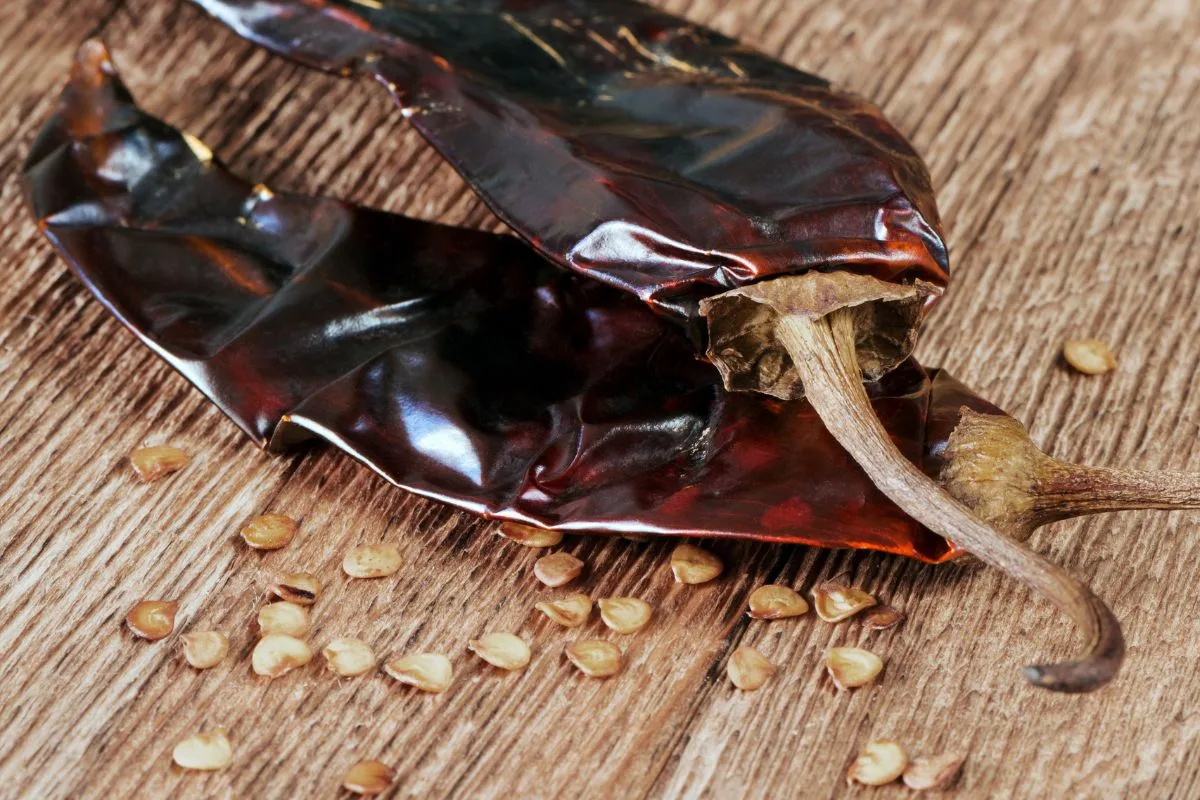
An ancho chile is the dried form of the poblano pepper. The pod is harvested when the poblano ripens from green to a deep red, then sun-dried until it turns wrinkled and reddish-brown.
Drying concentrates the sugars into chocolate, prune, and earthy notes. Heat stays mild — about 1,000–2,000 SHU — so the chile builds body in a sauce instead of burning through it.
The dried-chile trio in moles and adobos
Ancho is the sweet base in the dried-chile trio used for moles and adobos. Matching that bass note is what keeps a substitute from flattening the sauce.
- Ancho (The Sweet Base): Provides body, sweetness, and dark color. It is the “bass note” of the sauce.
- Pasilla (The Earthy Middle): Adds notes of dried fruit and smoke. Often confused with Ancho, but thinner and darker.
- Guajillo (The Bright Top): Adds acidity, tang, and a sharper heat. This is the “treble note.”
Which ancho chile substitute fits the dish?
Use the table when you already know the job — mole body, red sauce, dry rub — and need a swap without reading the full notes.
| Substitute | Flavour profile | Heat (SHU) | Best Use |
|---|---|---|---|
|
1. Pasilla Pepper Closest match |
Earthy, dried fruit, smoky | 1,000–2,500 | Mole |
| 2. Guajillo Pepper | Tangy, bright, berry-like | 2,500–5,000 | Red Sauces |
| 3. Mulato Chile | Sweet licorice, chocolate | 1,000–1,500 | Dark Mole / Stews |
| 4. Ancho Powder | Concentrated Ancho | Varies | Dry Rubs / Quick Fix |
| 5. Smoked Paprika | Mild wood smoke, sweet | 0–500 | Mild Sauces |
How to use each substitute
The table names the swap. These notes are how we used each one so the sauce still tasted like ancho — mild, sweet, and dark — rather than a different chile wearing the same name.
1. Pasilla Peppers (The “Little Raisin”)
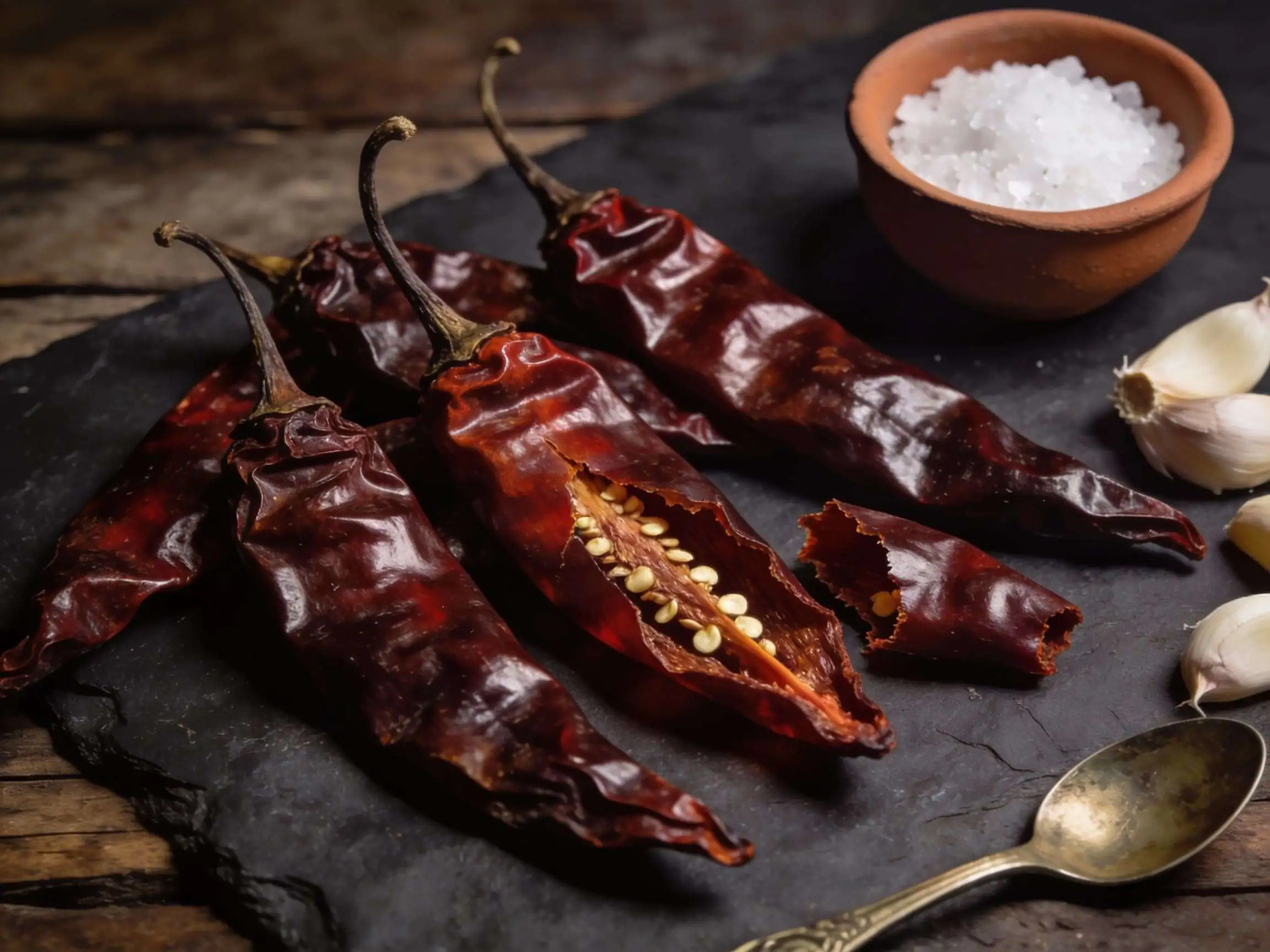
The Pasilla (dried Chilaca pepper) is the closest botanical and flavor match to the Ancho. In fact, in some parts of the US (especially California), they are often mislabeled as Anchos.
- Why it works: It shares the same “dried fruit” sweetness (think raisins and prunes) and mild heat level.
- Best for: Traditional Moles and Adobos.
- Kitchen note: Pasillas are thinner than Anchos. Toast them for 30 seconds less to avoid burning.
2. Guajillo Peppers (The Bright Alternative)
If your dish needs a “lift,” go with the Guajillo. As explained in our guide on guajillo vs ancho, this pepper is brighter, tangier, and redder.
- Why it works: It provides the necessary “red chile base” texture, though it lacks the chocolate notes.
- Best for: Enchilada sauces, Salsas, and Pork marinades.
- Kitchen note: Mix 50% guajillo with 50% mulato when you need a fake-ancho blend and the pasilla bag is empty too.
3. Mulato Chile (The Sweet Sibling)
The Mulato is a genetic cousin to the Ancho—it is basically a Poblano that was left on the vine until it turned brown (rather than red) before drying.
- Why it works: It has intense licorice, chocolate, and cherry notes. It is sweeter than the Ancho.
- Best for: Mole Negro or dark stews.
If the pod is missing: powder and paprika
A substitute for ancho chili powder is still pure ground dried poblano — use 1 teaspoon of powder for every 1 whole pepper. Generic chili powder carries cumin and garlic; it is not a 1:1 stand-in.
Smoked paprika covers wood-smoke when there are no Mexican dried chiles in the cupboard. It lacks heat, so add a pinch of cayenne only if the dish can take it.
How long should you soak ancho substitutes?
Toast dried pods 30 seconds per side, then soak in just-boiled water — reserve the liquid for sauce body. These ratios come from our Bangkok rental-kitchen batch tests in July 2026.
| Substitute | Soak time | Storage (opened) |
|---|---|---|
| Pasilla / mulato | 20–25 min | Airtight jar, cool pantry; label month opened |
| Guajillo | 15–20 min | Freezer bag if humidity above 70% |
| Ancho powder | N/A — blend dry | Dark cupboard, use within 6 months |
When should you not substitute ancho?
Skip chipotle or cayenne when the recipe calls for a mild mole base — heat jumps past ancho’s 1,000–2,000 SHU band. Generic chili powder is not a substitute for ancho; it carries cumin and garlic that clash with pure ancho powder.
How this page fits the ancho cluster
This URL is the long-form kitchen guide — soak ratios, storage, mole scaling, and blend formulas. For a quick ranked swap list, use best ancho chile substitutes; for guajillo-vs-ancho cook decisions, read guajillo vs ancho; route all chili spokes through ultimate guide to chili peppers.
What we learned
- In a Bangkok rental kitchen we rebuilt mole with pasilla when anchos ran out — the soak liquid mattered as much as the pod swap for sauce body.
- Victor cleared pasilla-based mole under 2,000 SHU; we toast guajillo shorter than mulato to keep weeknight salsa bright without extra heat.
- Our 50/50 mulato-pasilla “fake ancho” blend matched Oaxaca market mole depth better than any single-pod swap in side-by-side tests.
How to build ancho flavour when the pod is missing
Mexican moles rarely rest on a single pepper. If anchos are gone, the flavour is built by mixing other dried chiles in the ratios we already use at home.
These two blends came out of the same Bangkok tests as the soak table — side by side with the Oaxaca market ratios, not as a new recipe.
Fake-ancho blend
Best for: Mole Poblano & Dark Stews
- 50% Mulato Chile (For the chocolate/sweet notes)
- 50% Pasilla Pepper (For the earthy/dried fruit body)
Why it works: The Mulato provides the sugar that the Pasilla lacks, creating a near-perfect replica of the Ancho’s profile.
Smoky red blend
Best for: Enchilada Sauce & Marinades
- 70% Guajillo Pepper (For the red color and tang)
- 30% Smoked Paprika (For the wood-smoke finish)
Why it works: Guajillo gives the texture and acidity, while the paprika adds the “roasted” note that Guajillos often miss.
Can I use Fresh Poblano Peppers?
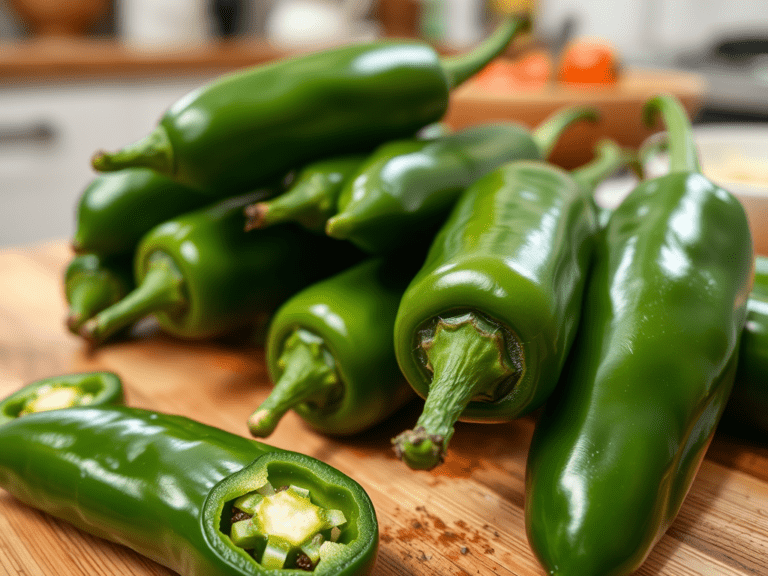
Yes, but you must modify them. A fresh Poblano is “vegetal” and grassy, whereas a dried Ancho is fruity and sweet. To bridge this gap, you must roast the fresh pepper.
- Place fresh Poblanos directly over a gas flame or under a broiler.
- Char the skin until it is 100% black and blistered. This induces the smoky flavor.
- Steam in a covered bowl for 10 minutes, then peel the skin.
- Substitution Ratio: Use 1 cup of roasted chopped Poblano for every 2 dried Ancho chiles. Reduce other liquids in your recipe by 1/4 cup to account for the moisture.
Ready to test these blends? Try them in our homemade sauce recipes or browse recipes with ancho peppers.
Safety notes for dried chiles
Even “mild” peppers like Ancho and Pasilla contain capsaicin oils that can cause skin irritation or severe eye pain.
The contact rule
Always wear gloves when removing seeds and veins. The oils concentrate in the placenta (the white pith). If you touch your eyes after handling them, flush immediately with milk or saline solution, not water.
Cleaning dried peppers
Dried chiles often gather dust in open market bins. Wipe them down with a damp paper towel before toasting. Do not soak them until after they have been toasted.
Questions we hear often
What is the best substitute for chile ancho?
Can I use fresh poblano instead of ancho?
Is ancho powder the same as chili powder?
Sources and safety notes
- Wikipedia — ancho chili — dried poblano pepper profile
- NMSU Chile Pepper Institute — Scoville and dehydration reference
- FDA — selecting and serving produce safely — rehydrated vegetable storage guidance
- Family kitchen notes — Mayerhoffer ancho swaps, August 2026 chili cluster
Meet the Mayerhoffers
“Free-spirited food adventurers, culture-seekers, and the guardians of 15 years of global memories.”

Oliver Mayerhoffer
Lead Author · FatherLead author — fifty-country archive, currently traveling Southeast Asia. Oliver brings field-tested recipe structure and honest weeknight notes from family kitchens abroad.

Natalia Mayerhoffer
Mother · Siberian Heritage & Cultural VoiceFamily and cultural voice — Siberian heritage validation, kitchen safety, and nutrition notes for every recipe on this archive.
“Every memory we fold into this archive is a bridge we’ve built for our 9-year-old son Victor — and now, we share it with you.”
Explore Our Full Family ArchiveSources and safety notes
We prioritise lived family experience first. When food safety or heritage context matters, we cross-reference kitchen notes with official references listed below.
FDA produce safety
rehydrated vegetable storage reference
Read sourceHarvard T.H. Chan School of Public Health
nutrition source notes
Read sourceEditorial kitchen notes
Family kitchen notes — Mayerhoffer testing, August 2026 chili cluster
Enjoying our content? Make Mangoes & Palm Trees a preferred source on Google.
Explore next

Ancho and chili routing
Ancho substitutes linked to guajillo guide, poblano pepper page, and chili library.