Editorial standards: editorial policy · Affiliate disclosure: affiliate disclosure · Family-tested archive — updated 2026-08.
Pantry swaps for soup night
What Is a Substitute for Accent Seasoning?
Out of Accent? We reach for bouillon, mushroom powder, a splash of soy, or a little MSG with salt — the same swaps we use on weeknights when the jar is empty.
What is a substitute for Accent seasoning?
A substitute for Accent seasoning is bouillon or beef broth in soup, mushroom powder on dry rubs, low-sodium soy at the end of cooking, or a pinch of MSG with kosher salt. Start with half what the recipe asked for, taste, then add a little more if you need it.
Oliver cooks the swaps at home and on the road; Natalia watches the salt; Victor decides if the bowl is too salty.
Which pantry swaps replace Accent seasoning?
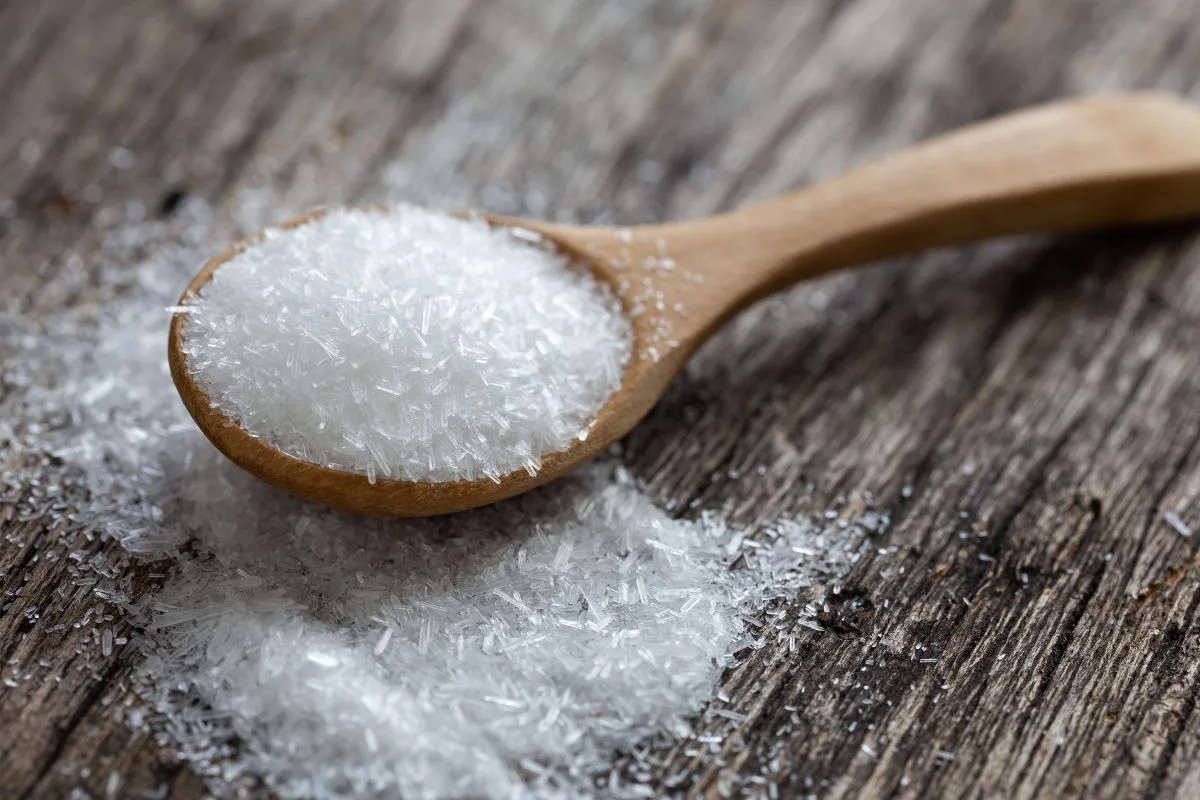
When the Accent jar is empty, we use bouillon powder or beef broth in soup, mushroom powder on roasted vegetables, a splash of low-sodium soy at the end, or a little MSG with kosher salt when we want the closest match. More pantry ideas live in our ingredient substitutes guide and our navy bean substitutes page.
| Swap | Salt note | Soup | Dry rub | Finish | Start with |
|---|---|---|---|---|---|
| Bouillon powder | Salty — use less table salt | ✓ best match | — | — | Half as much |
| Mushroom powder | Milder salt | ✓ | ✓ | ✓ light dust | ½–1 tsp |
| Low-sodium soy | Adds liquid salt | ✓ near the end | — | ✓ splash | 1 tsp first |
| MSG + kosher salt | Strong savory hit | ✓ | ✓ | ✓ at the table | ¾ tsp MSG mix |
Salt check: Accent is mostly MSG with a little salt — about 480 mg sodium per teaspoon (USDA FoodData Central). Bouillon is saltier per spoonful. Mushroom powder is gentler, but it needs a bit of fat or broth so it does not taste dusty.
Which Accent substitute fits soup versus dry rub?
For soup and bean pots, bouillon or beef broth comes closest to what Accent does. For roasted vegetables and dry rubs, we mix mushroom powder with garlic powder so we get savoriness without more liquid. In a stir-fry, we add a teaspoon of low-sodium soy at the end — not soy and mushroom powder in the same pan, or it turns too salty.
How should you dose Accent substitutes without oversalting?
- Start with half: Use half the Accent amount the recipe calls for, taste, then add a quarter teaspoon at a time.
- Soup tip: Stir bouillon in early; save soy for the last five minutes.
- MSG mix: About three-quarters teaspoon pure MSG plus a pinch of kosher salt stands in for one teaspoon of Accent.
If the recipe already has fish sauce or soy, Natalia skips mushroom powder until we taste the pot mid-cook. Too many salty ingredients at once is how weeknight soup goes wrong.
Is MSG safe to use instead of Accent?
The FDA lists MSG as generally recognized as safe for most people. Harvard Nutrition Source says it is not treated as an allergen. We still ask guests if they prefer we leave it out, and we start with a quarter teaspoon per quart of soup.
- We use it when: Broth, sautéed vegetables, or beans need more depth without another big pinch of salt.
- We skip it when: A guest says MSG bothers them, or the pot already has soy and fish sauce.
- Read more: Our Accent seasoning guide covers what is in the jar and how we store it.
What mistakes trip up Accent seasoning substitutes?
- Soy and mushroom together: Both make food taste more savory. Taste once before you add the second.
- Matching bouillon cup-for-cup: Bouillon is saltier than Accent. Cut the table salt first.
- Soy too early: A long simmer concentrates the salt. Add soy near the end.
- When the jar is empty: Keep mushroom powder and garlic powder labeled in the pantry so you are not stuck mid-recipe.
When should you not stack Accent substitutes?
Do not put mushroom powder, soy sauce, and MSG in the same pot. The soup will taste salty before it tastes good. If someone at the table avoids MSG, stick to bouillon or mushroom powder and let adults season their own bowls.
What we learned
- When Accent runs out, half as much bouillon plus a little garlic powder beats pouring on more salt.
- Mushroom powder and soy both deepen flavor — we taste before we add both.
- Victor likes soup better when Natalia seasons his bowl at the table, not the whole pot.
"When Mom seasons my soup at the table instead of in the big pot, it still tastes good — not too salty. I like it that way."
— Victor Mayerhoffer, age 9
More from our kitchen and pantry
Other swaps and family recipes we cook when the pantry needs a backup plan.
- Pantry swaps: Accent seasoning · Navy bean substitutes · Great northern bean swaps · Ingredient substitutes hub
- Hubs: Ingredients hub · Recipe index · Complete meal courses
- Soup & stew: Hot and sour soup · Beef stew and soups
- Who we are: Oliver Mayerhoffer · Natalia Mayerhoffer · Editorial policy
Questions we hear often
Is Accent seasoning the same as MSG?
Can I use soy sauce instead of Accent?
Can you use bouillon instead of Accent seasoning?
How much MSG replaces one teaspoon of Accent?
Is Accent seasoning safe for kids?
Meet the Mayerhoffers
“Free-spirited food adventurers, culture-seekers, and the guardians of 15 years of global memories.”

Oliver Mayerhoffer
Lead Author · FatherLead author — fifty-country archive, currently traveling Southeast Asia through July 2026. Oliver brings field-tested recipe structure and honest weeknight notes from family kitchens abroad.

Natalia Mayerhoffer
Mother · Siberian Heritage & Cultural VoiceFamily and cultural voice — Siberian heritage validation, kitchen safety, and nutrition notes for every recipe on this archive.
“Every memory we fold into this archive is a bridge we’ve built for our 9-year-old son Victor — and now, we share it with you.”
Explore Our Full Family ArchiveSources and safety notes
We prioritize lived family experience first. When food safety or heritage context matters, we cross-reference field notes with official references listed below.
FDA — food additives and MSG
FDA status and labeling notes for MSG
Read sourceUSDA FoodData Central
sodium per serving reference
Read sourceHarvard T.H. Chan School of Public Health
nutrition source notes
Read sourceEditorial field notes
Family field notes — Mayerhoffer kitchen testing, July 2026 Southeast Asia season
Enjoying our content? Make Mangoes & Palm Trees a preferred source on Google.
Explore next


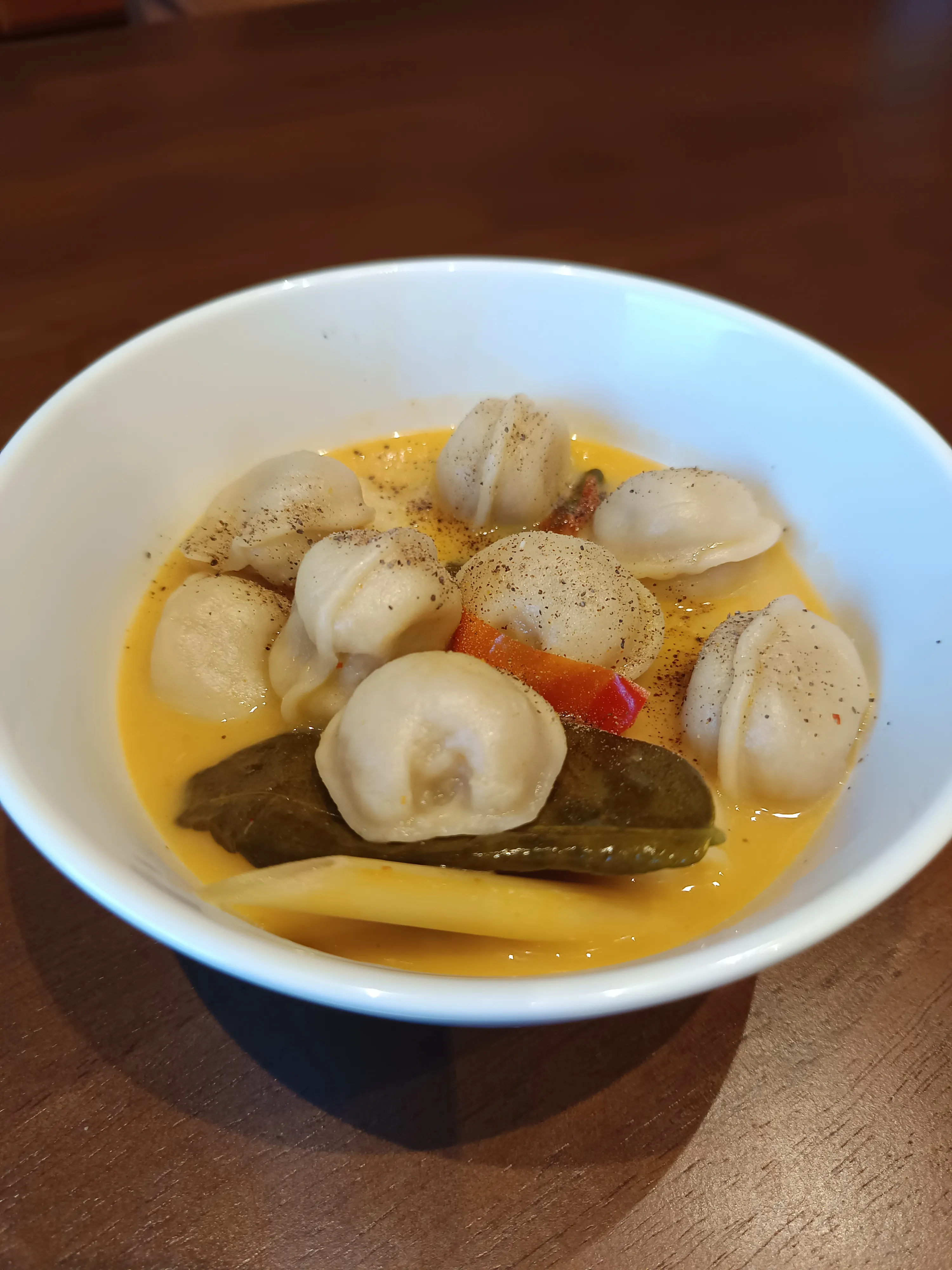

More ingredients and substitute ideas
Pair pantry swaps with the ingredients hub, recipe index, and family-tested mains archive.