Editorial standards: editorial policy · Affiliate disclosure: affiliate disclosure · Family-tested archive — updated 2026-07.
Sharp stamp, coconut butter dough
Spider Web Cookie Stamp Cookies Recipe
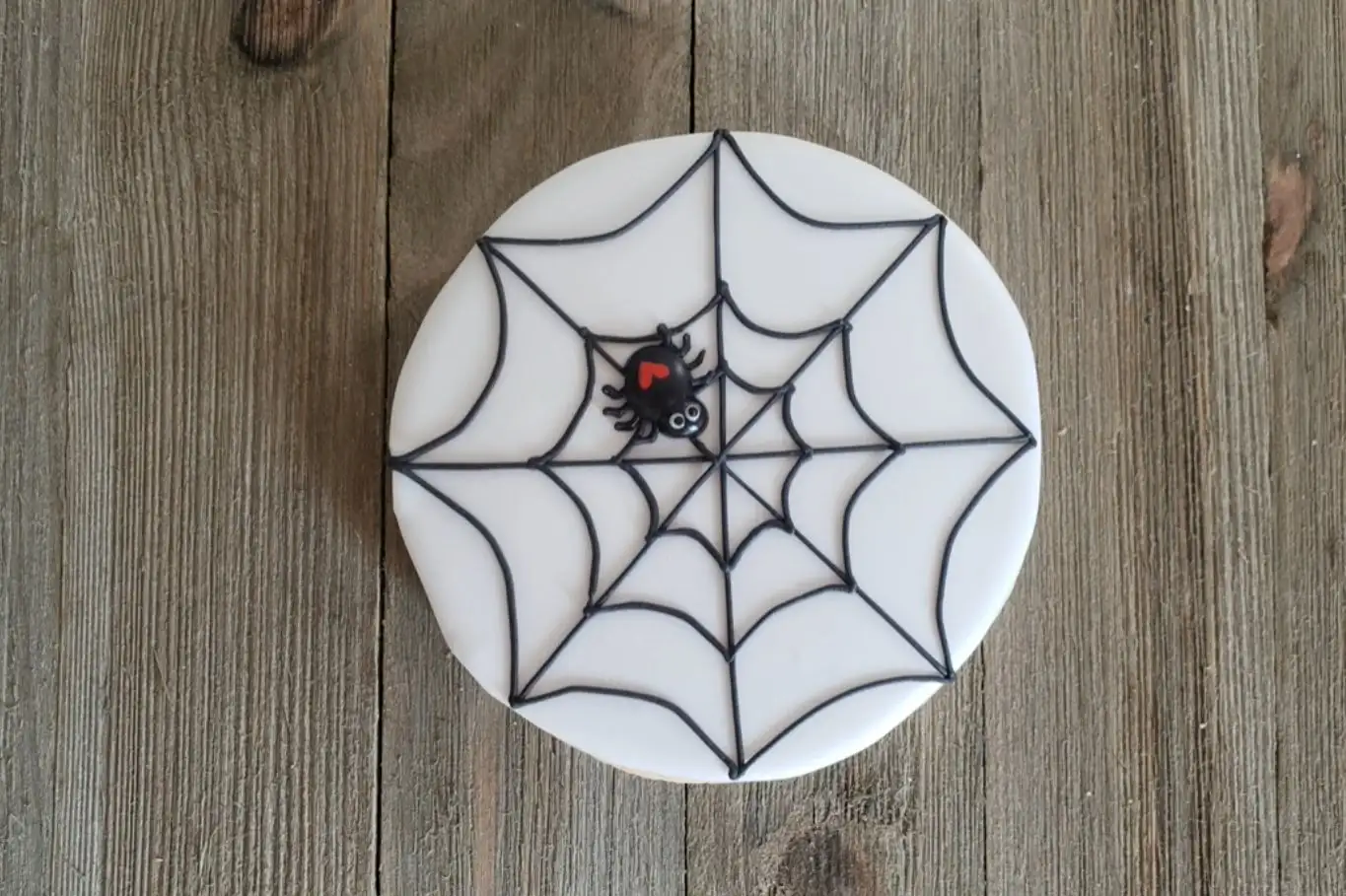
Spider-web stamp cookies roll to a quarter-inch, bake until the edges set, then flood with royal icing between the spokes — rolled and stamped on English countryside baking days before the royal icing sets.
Cream butter and sugar without overbeating, mix in egg, vanilla, and coconut extract, then fold in flour, baking powder, and salt. Chill one hour, roll to quarter inch, stamp spider webs, and bake at 350°F ten to twelve minutes. Cool, then outline and flood with royal icing. Twenty-four cookies take about ninety minutes including chill.
Oliver writes from Alpine and countryside kitchen notes; Natalia reviews safety and nutrition; Victor is the final vote on family plates. Jump to full recipe
Serving scaler
Adjust cookie count — butter, sugar, flour, and icing amounts update instantly.
Halloween Baking Made Simple
The Secret to Sharp Stamps: The biggest challenge with stamped cookies is losing the design during baking. Drawing from my pastry training in Austria, I’ve adjusted the fat-to-flour ratio in this recipe to ensure the cookies hold their intricate spider web shape without spreading.
These aren’t just for show—they taste incredible. While traditional sugar cookies rely solely on vanilla, I swap a portion of the extract for Coconut Extract . This subtle tropical note surprises the palate and pairs beautifully with the buttery crumb.
It’s a “Mangoes and Palm Trees” signature that makes these easy Halloween treats stand out at any party. For more holiday inspiration, check our Spooky Recipe Collection .
Ingredients
- 1 cup unsalted butter, softened to 68–70°F
- 1 cup granulated sugar
- 1 large egg, room temperature
- 1 tsp vanilla extract
- ½ tsp coconut extract
- 3 cups all-purpose flour, sifted
- 1 tsp baking powder
- ¼ tsp salt
- 4 cups confectioners’ sugar, sifted twice
- 3 tbsp meringue powder
- Warm water as needed for flood consistency
- Black and orange gel food coloring
- Mini chocolate chips or candy eyes (optional garnish)
Method
- Low-air cream: Beat softened butter and sugar 2–3 minutes until pale—do not overbeat.
- Wet mix: Add egg, vanilla, and coconut extract; mix until just combined.
- Dry mix: Whisk flour, baking powder, and salt; add on low until dough pulls from the bowl.
- Deep chill: Divide into two discs, wrap, and refrigerate at least 1 hour.
- Stamp: Roll to ¼-inch; flour the stamp; press and cut rounds onto parchment.
- Bake: Bake at 350°F 10–12 minutes until edges are barely set; cool on the sheet.
- Decorate: Outline and flood with royal icing; add optional spider garnish while wet.
Chill before stamping, freeze dough discs for later trays, and keep decorated cookies airtight once icing sets.
| Method | Instructions | Duration |
|---|---|---|
| Dough chill | Wrapped discs in the refrigerator before rolling and stamping. | At least 1 hour |
| Dough freezer | Wrap discs tightly; thaw overnight in the fridge before rolling. | Up to 3 months |
| Iced cookies | Airtight container at cool room temperature once icing is dry. | Up to 5 days |
These spider-web stamp cookies keep the design sharp with a higher flour-to-fat dough, a deep chill, and coconut extract beside vanilla—our Halloween tray when the kids want spooky without piping freestyle webs.
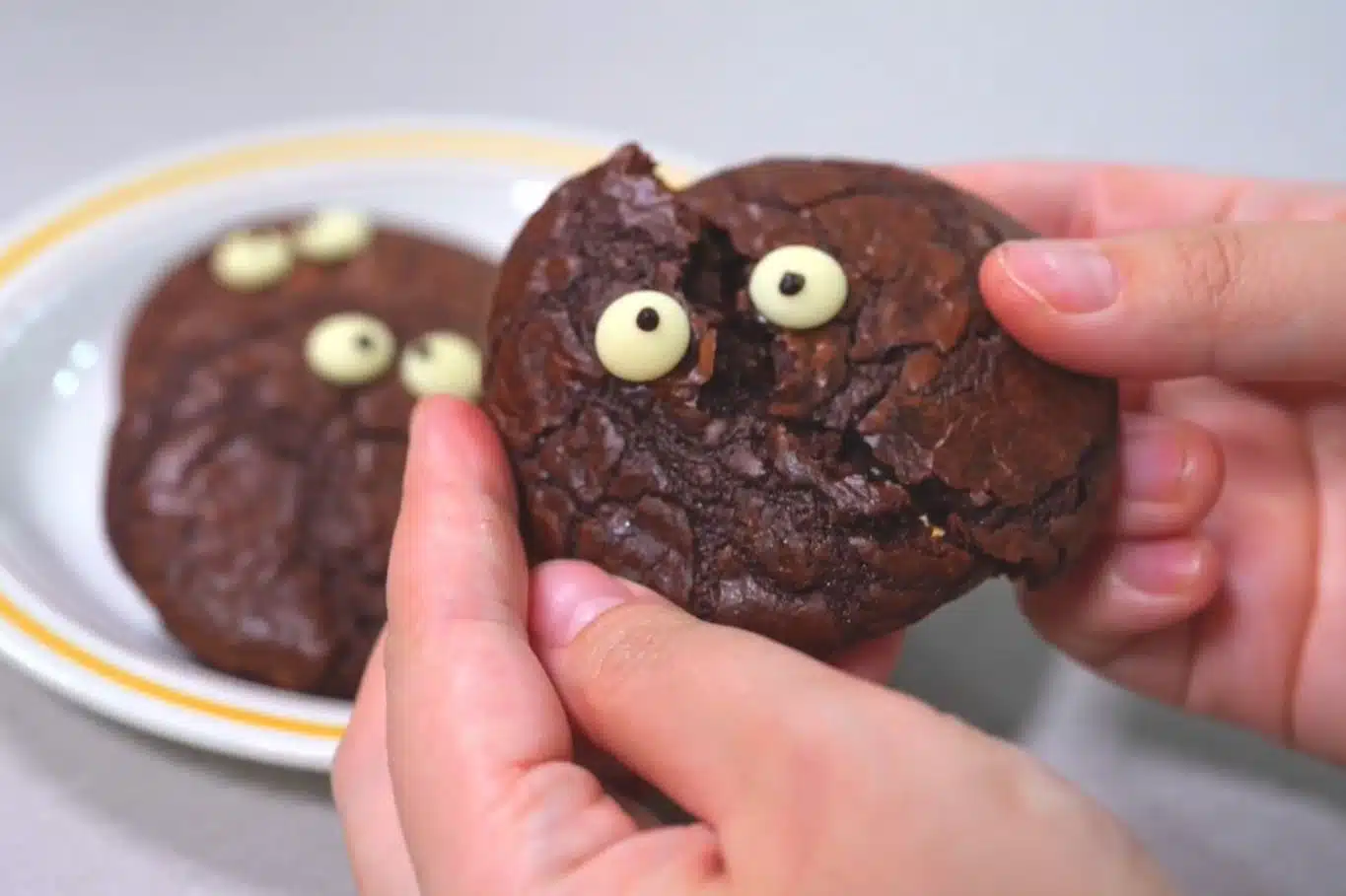
For another gothic tray, bake Addams Family beetle cookies or browse dessert recipes.
Halloween dessert routing—beetle cookies, dessert hub, sheet cake, banana bread, and recipe index.
- Spooky: Beetle cookies · Dessert recipes
- Bakes: Kefir sheet cake · Chobani banana bread
- More: Vegan apple cake · Recipe index
- Who we are: Oliver Mayerhoffer · Natalia Mayerhoffer · Editorial policy
Questions we hear often
Why did my stamped design disappear?
Do I need a special rolling pin?
Why use meringue powder instead of egg whites?
How do I keep icing from bleeding?
Victor tested it. Here is the honest verdict.
What Victor said
Victor is the final vote on family plates — age 9 in 2026.
Oliver's honest note
Structural testing and reflux-safe ingredient choices — editorial field notes only.
Meet the Mayerhoffers
“Free-spirited food adventurers, culture-seekers, and the guardians of 15 years of global memories.”

Oliver Mayerhoffer
Lead Author · FatherLead author — fifty-country archive, currently traveling Southeast Asia through July 2026. Oliver brings field-tested recipe structure and honest weeknight notes from family kitchens abroad.

Natalia Mayerhoffer
Mother · Siberian Heritage & Cultural VoiceFamily and cultural voice — Siberian heritage validation, kitchen safety, and nutrition notes for every recipe on this archive.
“Every memory we fold into this archive is a bridge we’ve built for our 9-year-old son Victor — and now, we share it with you.”
Explore Our Full Family ArchiveSources and safety notes
FDA — egg safety
meringue powder preferred over raw egg whites for icing
Read sourceUSDA FoodData Central
flour, sugar, and butter nutrition reference
Read sourceUSDA FSIS — safe food handling and preparation
bake and storage safety reference
Read sourceEditorial field notes
Family field notes — Mayerhoffer spider-web stamp cookie tests, July 2026 Southeast Asia season
Enjoying our content? Make Mangoes & Palm Trees a preferred source on Google.
Explore next

Spider-web stamp cookies linked to beetle cookies, dessert hub, sheet cake, banana bread, and recipe index.