Transparency Notice: We only recommend products we trust. Some links are affiliate links, meaning we may earn a small commission at no extra cost to you. Your support helps us share authentic recipes and culinary stories worldwide. Learn more in our full disclosure.
Ultimate Guide to Guajillo Peppers From Scoville to Salsa
Ever wondered what guajillo peppers are and how to use them? As a professionally trained chef passionate about global flavors, I’m sharing expert tips and authentic recipes to help you master this essential Mexican chile—inspired by decades of culinary exploration across 50+ countries.
What Are Guajillo Peppers? Understanding Mexico’s Fruity Chile
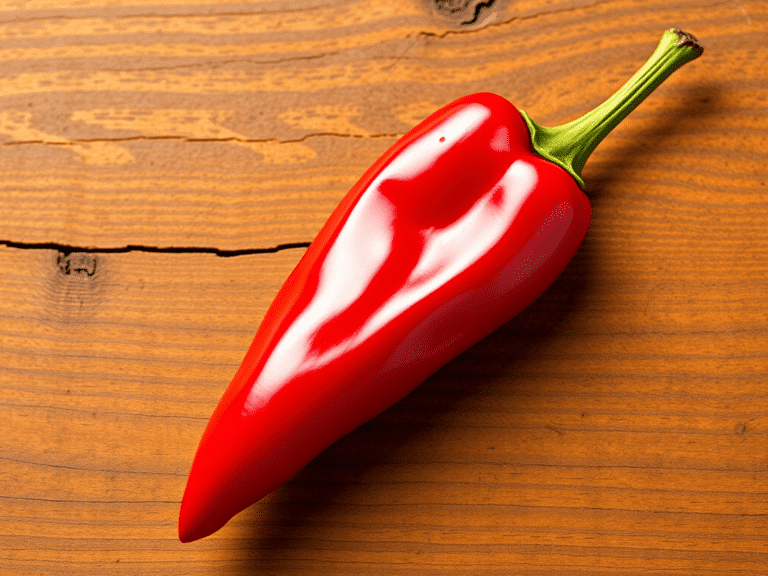
The guajillo (pronounced gwah-HEE-yoh) is the dried form of the Mirasol chile, one of Mexico’s most beloved peppers. According to Specialty Produce’s comprehensive guide, its name—meaning “looking at the sun” in Spanish—reflects how the fresh pepper grows pointing upward. Once dried, the guajillo pepper transforms into a complex ingredient vital to authentic Mexican dishes, particularly moles and sauces.
Chili Pepper Madness documents that guajillo peppers are part of the famed “Holy Trinity” of Mexican chiles, alongside Ancho and Pasilla varieties. Wikipedia confirms that this guajillo chile serves as the foundation for countless mole sauces and traditional stews. The thin-walled structure of the guajillo pepper makes it ideal for both grinding into paste and simmering in complex sauces.
How to Select and Store Guajillo Peppers
When shopping for guajillo peppers, look for chiles that are pliable and flexible. Specialty Produce recommends selecting guajillo peppers with a deep, reddish-brown color and slight sheen—avoid any that are brittle, cracked, dusty, or have blemishes. Brittle or cracked guajillo peppers indicate age and flavor loss.
Diversivore’s storage guide recommends keeping guajillo peppers in an airtight container in a cool, dark pantry. Cozymeal confirms that properly stored guajillo peppers retain their flavor for 6-12 months. Keep guajillo peppers away from moisture, direct sunlight, and heat sources. Many home cooks store their guajillo peppers in sealed mason jars or vacuum-sealed bags for maximum longevity and flavor preservation.
Flavor & Heat Profile: What Makes Guajillo Peppers Special
The guajillo pepper‘s appeal lies in its nuanced flavor profile, not just its heat level. Chili Pepper Madness describes guajillo peppers as offering sweet, fruity flavor with notes of berries and green tea, balanced by light smokiness. This complexity makes guajillo peppers incredibly versatile in the kitchen.
The heat level of guajillo peppers is mild-to-medium, measuring approximately 2,500-5,000 Scoville Heat Units (SHU)—similar to a mild jalapeño. Specialty Produce confirms this moderate Scoville rating, making guajillo peppers ideal for adding depth to dishes without overwhelming spice. The drying process actually intensifies the fruity and sweet characteristics of the guajillo pepper while mellowing the heat, making it one of the most approachable dried Mexican chiles.
How to Prepare Dried Guajillo Peppers: Video Guide
Before making our guajillo paste, it’s essential to understand the fundamentals of rehydrating and preparing guajillo peppers. This video from Chili Pepper Madness shows exactly how to unlock the full flavor potential of guajillo peppers:
Video courtesy of Chili Pepper Madness – “Guajillo Sauce Recipe”
How to Make Guajillo Pepper Paste: Step-by-Step Recipe
This simple guajillo paste is the foundation for countless recipes, from authentic tacos to rich moles and enchilada sauces. Unlocking the guajillo pepper‘s complex flavor is straightforward with these key steps.
Ingredients for Guajillo Paste
- 6-8 dried guajillo peppers
- 2 cloves garlic, unpeeled
- ½ white onion, cut into wedges
- 2 cups hot water
- ½ teaspoon salt
Instructions for Guajillo Paste
- Toast the Chiles: Wipe the guajillo peppers clean with a dry cloth. In a dry cast iron skillet over medium heat, toast the guajillo peppers for 30-60 seconds per side until fragrant and slightly color-darkened. Add the unpeeled garlic and onion wedges; toast for another 2-3 minutes until lightly charred.
- Seed and Stem the Guajillo: Let the guajillo peppers cool for one minute. Remove stems and slice open to scrape out seeds and veins. The garlic skin should peel off easily at this point.
- Rehydrate the Guajillo Peppers: Place toasted guajillo peppers, onion, and garlic in a bowl; cover with 2 cups hot water. Let soak 20-30 minutes until guajillo peppers are soft and pliable.
- Blend into Paste: Transfer the rehydrated guajillo peppers, onion, garlic, and about 1 cup soaking liquid to a high-speed blender. Add salt and blend until completely smooth. Add more soaking liquid if needed to reach thick, sauce-like consistency.
Your guajillo paste is now ready! Store in an airtight container in the refrigerator for up to one week, or freeze for up to three months. Use this guajillo paste as the base for authentic enchilada sauce, mole, or as a marinade for tacos.
Substitutes & Comparisons: When You Can’t Find Guajillo Peppers
While nothing perfectly replaces a guajillo pepper, Diversivore provides excellent substitution guidance when guajillo peppers are unavailable. Here are my top recommendations:
| Substitute | Flavor Profile | Heat (SHU) | Best For |
|---|---|---|---|
| Ancho Chile | Sweeter, smokier, less fruity | 1,000-2,000 | Mole, enchilada sauce |
| Pasilla Chile | Earthy, fruity, less spicy | 1,000-2,500 | Sauces, moles |
| Puya Chile | Fruitier, much hotter | 5,000-8,000 | Spicy salsas |
| Cascabel Chile | Nutty, slightly smoky | 2,000-3,000 | Sauces, salsas |
Frequently Asked Questions About Guajillo Peppers
Expert answers based on verified sources and professional culinary experience
What is the heat level of guajillo peppers?
Guajillo peppers are generally rated around 2,500-5,000 SHU (Scoville Heat Units), making them mild-to-medium heat. Source: Specialty Produce, Chili Pepper Madness.
What do guajillo peppers taste like?
Guajillo peppers offer a fruity, nutty, earthy flavor with mild-smoke undertones. Source: Diversivore, Chili Pepper Madness.
How are guajillo peppers used in cooking?
Guajillo peppers are typically dried, toasted, rehydrated, and blended into sauces, pastes, marinades, and moles across Mexican cuisine. Source: Chili Pepper Madness, Cozymeal.
What substitutes can you use for guajillo peppers?
Good alternatives include Pasilla (more earthy), Ancho (sweeter and smokier), or Cascabel chiles. Each varies in flavor and heat level. Source: Diversivore, Specialty Produce.
How should you store guajillo peppers for best flavor?
Keep guajillo peppers in a cool, dark, dry place in an airtight container. Properly stored guajillo peppers last 6-12 months. Source: Specialty Produce, Diversivore.
What is the difference between guajillo and ancho chiles?
Guajillo peppers (from Mirasol chiles) are more fruity and tangy. Ancho peppers (from Poblano chiles) are sweeter and smokier. Often used together in mole sauces. Source: Chili Pepper Madness.
Mastering Guajillo Peppers: Your Culinary Journey
Guajillo peppers represent far more than just a dried ingredient—they’re a gateway to authentic Mexican cuisine and centuries of culinary tradition. Whether you’re just discovering guajillo peppers or you’re already incorporating them into daily cooking, understanding their flavor profile, heat level, and culinary applications elevates your Mexican cooking to professional levels.
At Mangoes and Palm Trees, we’ve explored authentic ingredients—including guajillo peppers—across 50+ countries over 15+ years of culinary adventure. From traditional markets in Puebla to family kitchens across Mexico, Asia, and Europe, guajillo peppers continue to inspire and transform dishes. Ready to explore further? Check out our complete Guajillo Sauce Guide, our Guajillo Beef Tacos Recipe, or browse our full Mexican Recipe Collection. Once you master guajillo peppers, they become an essential and irreplaceable element of your culinary toolkit.
About the Author

Oliver Mayerhoffer
Professional Chef & Recipe Developer
15+ years culinary expertise across 50+ countries. Specializes in authentic Mexican cuisine, food science, and global ingredient sourcing. Personal experience sourcing and mastering guajillo peppers across Mexican markets and professional kitchens worldwide.
View Profile
Natalia Mayerhoffer
Culinary Editor & Food Writer
Culinary journalist and recipe tester with extensive knowledge of Mexican gastronomy. Co-founder of Mangoes and Palm Trees. Published food expert who has tested this guajillo peppers guide across multiple cuisines and climates.
View ProfileBased in Thailand, UK, Vietnam & Mexico. Explored authentic guajillo pepper sources across 50+ countries. Co-parents Victor Mayerhoffer (born 2016, Koh Samui). All recipes and guides family-tested, Mexican-market-sourced, and professionally verified for authenticity.