
Editorial standards: editorial policy · Affiliate disclosure: affiliate disclosure · Fifty-country travel archive — updated 2 June 2026.
Travel Guides for Culture, Food, and Practical Planning
Forget scrolling for vague inspiration. You need travel guides that build confidence. This hub brings together destination research, family perspectives, and practical logistics from fifty countries of fieldwork.
Move between regions with clear context.
A calmer way to start planning
The Mangoes & Palm Trees Travel Hub is a curated archive of destination guides and family-led food travel research documented firsthand across 50 countries. It offers practical logistics, cultural stories, and family-tested standards for travelers moving between regions as of May 2026.
The best travel hub is simple. It gives you a clear starting point. We show you where the strongest regional guides live and make the trust path visible.
You can move directly into our Asia Travel Guides , Europe Travel Guides , and our full Travel Guides archive.
Choose Your Next Journey
Pick a spot on the map. We build these guides from the table outward, looking at the rhythms of local life and the logistics that make or break a trip. Every link below opens a door into our family archive.
Asia Travel Guides
Tropical markets and island pacing. We focus on the food-led days that defined our years of Southeast Asia fieldwork. If you want warm routes and street-side secrets, start here.
Explore AsiaEurope Travel Guides
Historic cities and rail paths that actually suit families. We frame Europe through place and memory, skipping the tired checklists to find a slower, more honest rhythm.
Explore EuropeMiddle East Travel Guides
Traditions at the crossroads. We share the context we found on the ground, connecting ancient spice routes with modern family travel. No landmarks without stories.
Explore the Middle EastNorth America Travel Guides
City scenes and regional identities. We plan around the plate. This is where practical logistics meet the bold flavors of the American table.
Explore North AmericaSouth America Travel Guides
Entry points into a growing archive. We track dishes and destinations as we explore them, from Costa Rican staples to Peruvian spirits.
Explore South AmericaOceania Travel Guides
A clean window into our Pacific research. We keep the structure ready for more as we continue to document the food and travel logic of Oceania.
Explore OceaniaAfrica Travel Guides
Our pathway for African research. We maintain a global view, helping you see the range of world traditions even as we add fresh field notes from Southeast Asia travel.
Explore AfricaOur deepest 2026 coverage sits in Asia travel guides and the Thailand food and travel hub. When you need a table-first route, pair those guides with our recipe index and how we write and what we check.
2026 Travel Protocols
Planning needs facts. We move beyond simple inspiration to provide clear timing and sensible safety thinking. This section ties our field research to official sources when topics affect entry rules, food handling, or cultural heritage.
ETIAS timing and what it means
Timing is everything for your next European trip. The European Union expects ETIAS to become operational in the final quarter of 2026. We frame this as an upcoming requirement.
It is not live today.
- Required for travelers planning future Schengen routes.
- A watchpoint for your calendar. No need for panic.
- Find deeper context in our Europe category rather than chasing border rumors.
Official Source: EU ETIAS timeline update and the European Commission ETIAS overview.
Street food trust, handled sensibly
Street food is part of the adventure. We keep our safety notes practical. WHO standards provide our frame for cleaner preparation and smart choices around water and raw ingredients.
- Choose freshly cooked items over pre-prepared snacks.
- Ice and water sources matter as much as the flavor.
- Check our specific Asia coverage for on-the-ground reality.
Official Source: WHO Food Safety Fact Sheet and the WHO Food Safety Overview.
Use UNESCO as context, not decoration
Heritage matters when it is tied to real people. We use the UNESCO framework to understand the soul of a destination. This helps us route our community into regional guides where cultural meaning becomes useful.
Official Source: UNESCO World Heritage List.
Field Research FAQ
Is street food safe in Southeast Asia?
Street food is safe in Southeast Asia when vendors use high-heat cooking, high local turnover, and fresh-to-order preparation. Avoid unverified ice or pre-cut fruit.
In our Asia Travel Guides, we apply a real-world check. If a stall isn’t busy with locals or doesn’t let you see the prep area, keep walking. We focus on the “family-tested” standard: if we wouldn’t serve it to our 9-year-old, we won’t recommend it to you.
Official source: WHO Food Safety standards.How does ETIAS affect travel to Europe in 2026?
Starting in late 2026, ETIAS becomes a mandatory pre-travel authorization for visa-exempt travelers entering 30 European Schengen countries. It links to your passport and remains valid for three years or until passport expiry.
We are tracking the rollout during our current fieldwork in Europe. It’s not a visa, but a necessary step for your planning. We cover the specific impact on family routes in our Europe Travel Guides, updated for the 2026 season.
Latest Update: Official EU ETIAS Portal.How do you verify authentic heritage travel experiences?
Heritage experiences are verified by cross-referencing living traditions with UNESCO Intangible Cultural Heritage lists, prioritizing destinations where cultural practices remain part of daily life rather than staged attractions.
Our family looks for meals where local rhythm still shows in the room. Whether exploring our Middle East guides or our European roots, we ensure every stop in our archive represents verified living history.
Heritage Hub: UNESCO World Heritage Documentation.Primary research verified by Oliver and Natalia Mayerhoffer. Review our Affiliate Disclosure.
Travel hub routing — regions, eat-stay, trust
Use these registry hubs after you pick a region — the same paths we link from our homepage and Thailand fieldwork archive.
Asia travel guides
Europe travel guides
Middle East guides
North America guides
South America guides
Oceania guides
Africa guides
Also browse recipe index, ultimate guides, and homepage archive.
Reference Sources
We build our guides from fifteen years of family fieldwork across 50 countries. Facts come first. We cross-reference field notes with official references when entry rules, food safety, or heritage context matter.
| Reference Body | Standard Applied | Verification Loop |
|---|---|---|
| European Commission | Visa Logistics & ETIAS | Verify 2026 Entry Rules |
| UNESCO | Cultural Heritage | Verify Historic Context |
| World Health Organization | Food Safety Protocol | Verify WHO Safety |
| CDC Travel | Wellness & Alerts | Verify Travel Health |
The Family Behind the Archive
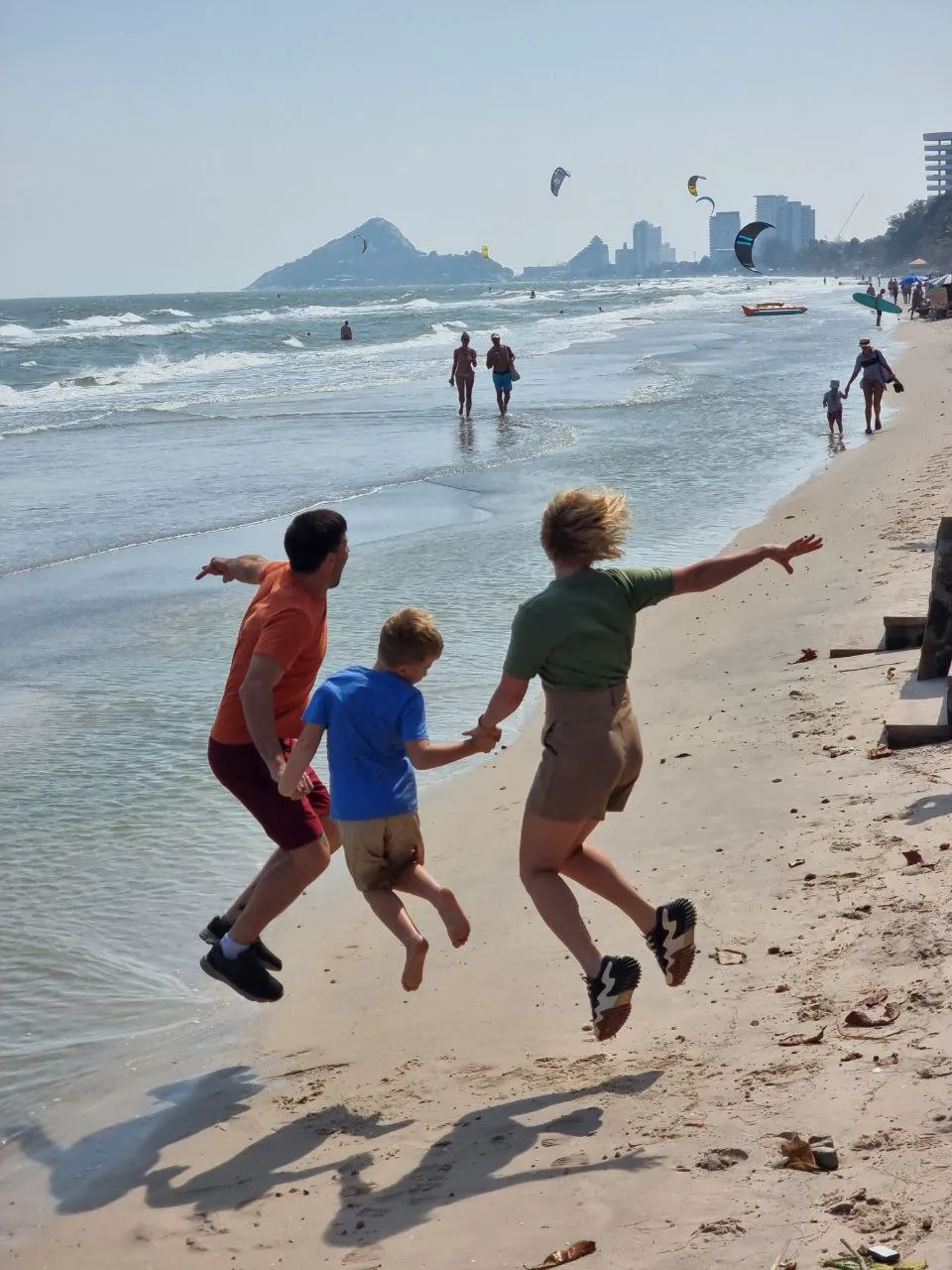
Discover the Mayerhoffer family archive: where field notes meet global heritage.
Explore our full story.