Authority & Disclosure: We are the Mayerhoffer family. This investigative Bangkok street food guide 2026 is built on our 16-year nomadic journey across 50+ countries. Currently traveling extensively through Thailand and Southeast Asia, we conduct live culinary audits to bridge the gap between academic research from the World Health Organization and practical family travel. We cite real-time data from the Bangkok Post and Agoda. See our Full Disclosure.
Quick Answer: What are the top Thailand food travel trends in 2026?
In 2026, food travel in Thailand focuses on hyper-local, authentic experiences as consumers challenge overpriced dining. Families are prioritizing local night markets to find regional specialties like Chiang Mai khao soi and Ayutthaya river prawns, while actively seeking plant-based superfoods like Khai Pham.
What are the top trends in our Bangkok street food guide 2026?
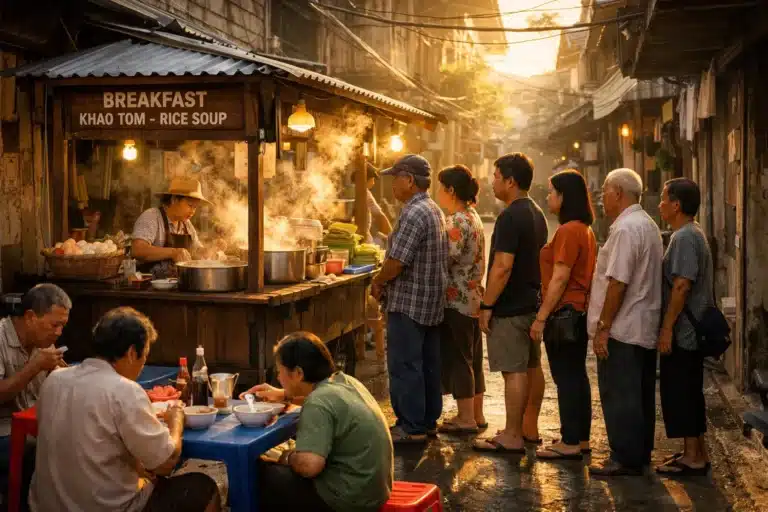
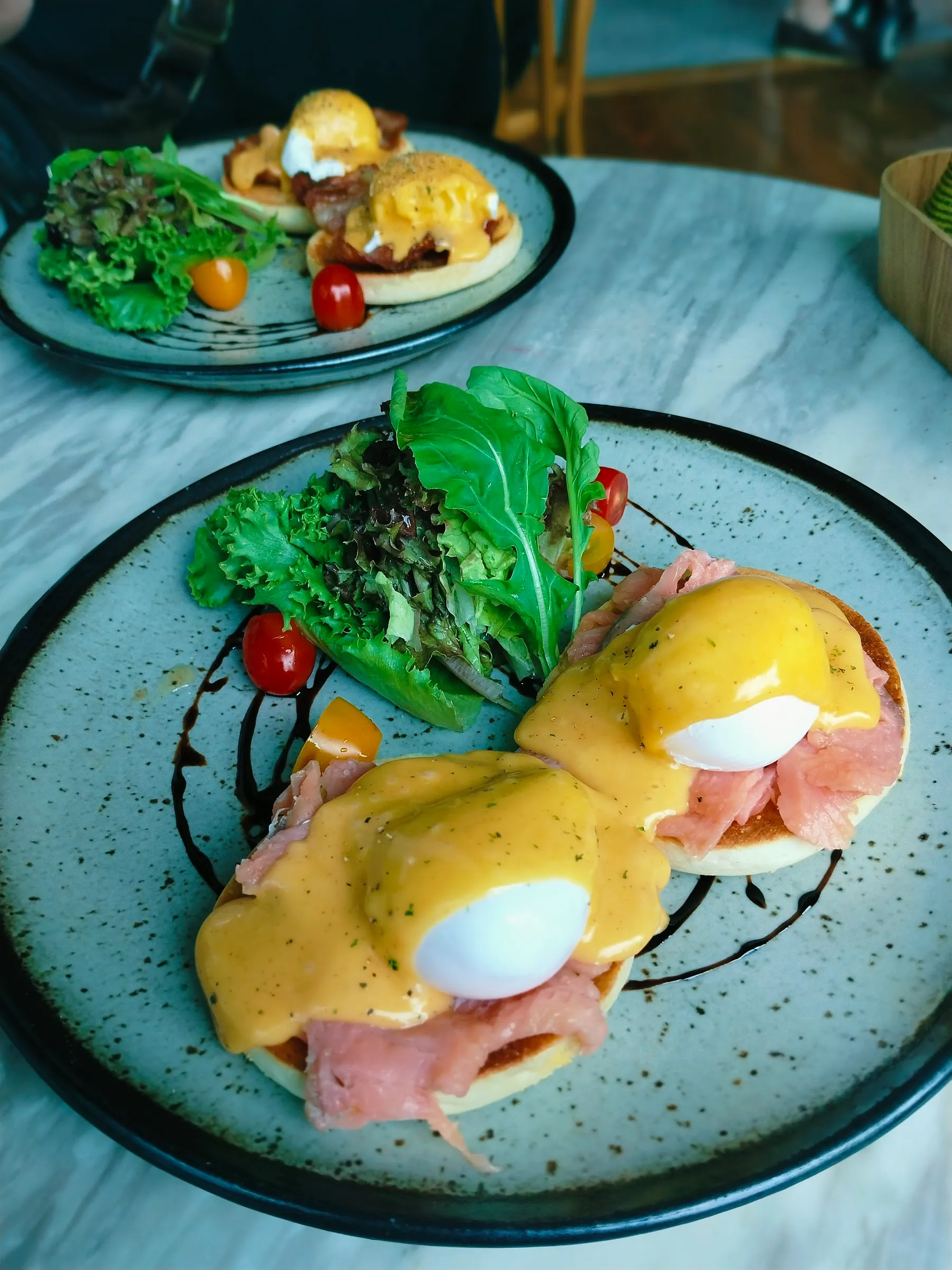
Sitting in a polished cafe last week, the scent of hollandaise on a plate of Eggs Benedict felt strangely disconnected from the city outside. This is the “Old Normal” of travel—Western staples in a tropical setting. But if you want to understand the true value of our Bangkok street food guide 2026, you have to recognize a massive pushback against overpriced simple food. Expat families are actively searching for Value 3.0—the exact point where affordability meets authentic, high-heat craft.
Food travel searches have surged 18% recently, with culinary experiences climbing to the #3 reason for visiting Thailand. This shift makes perfect sense to us. Born in the UK in 1990, I had an “India epiphany” at age 15. Standing in the chaotic markets of Rajasthan taught me that the heart of a culture lives in its high-turnover stalls, not inside sterilized buffets. Authentic flavor is a language, and families are finally speaking it.
Watching local vendors masterfully balance sweet and savory notes at the night markets inspired the exact flavor architecture we use in our Traditional Pad Kra Pao. By understanding the soul of these dishes, we bring premium craft home. This aligns perfectly with the rising trend of families cooking more at home to protect their budgets while maintaining a healthy lifestyle.
As confirmed by Friday Bangkok, this year is also about the mainstreaming of functional superfoods like Khai Pham (Green Caviar). Whether we are revisiting favorite coastal retreats like Hua Hin or scouting new gems near the Bang Son MRT, our primary goal is to ensure your family finds safety and soul on every single plate.
Safety and Hygiene: Core rules for our Bangkok street food guide 2026
Families can safely navigate the city by following the protocols in this Bangkok street food guide 2026: select high-turnover stalls, choose vendors who cook fresh over high heat, and strictly avoid pre-cut fruits or unsealed water. Utilizing stalls that meet the BMA’s “Clean Food Good Taste” standards ensures a secure, authentic culinary adventure for exploring travelers.
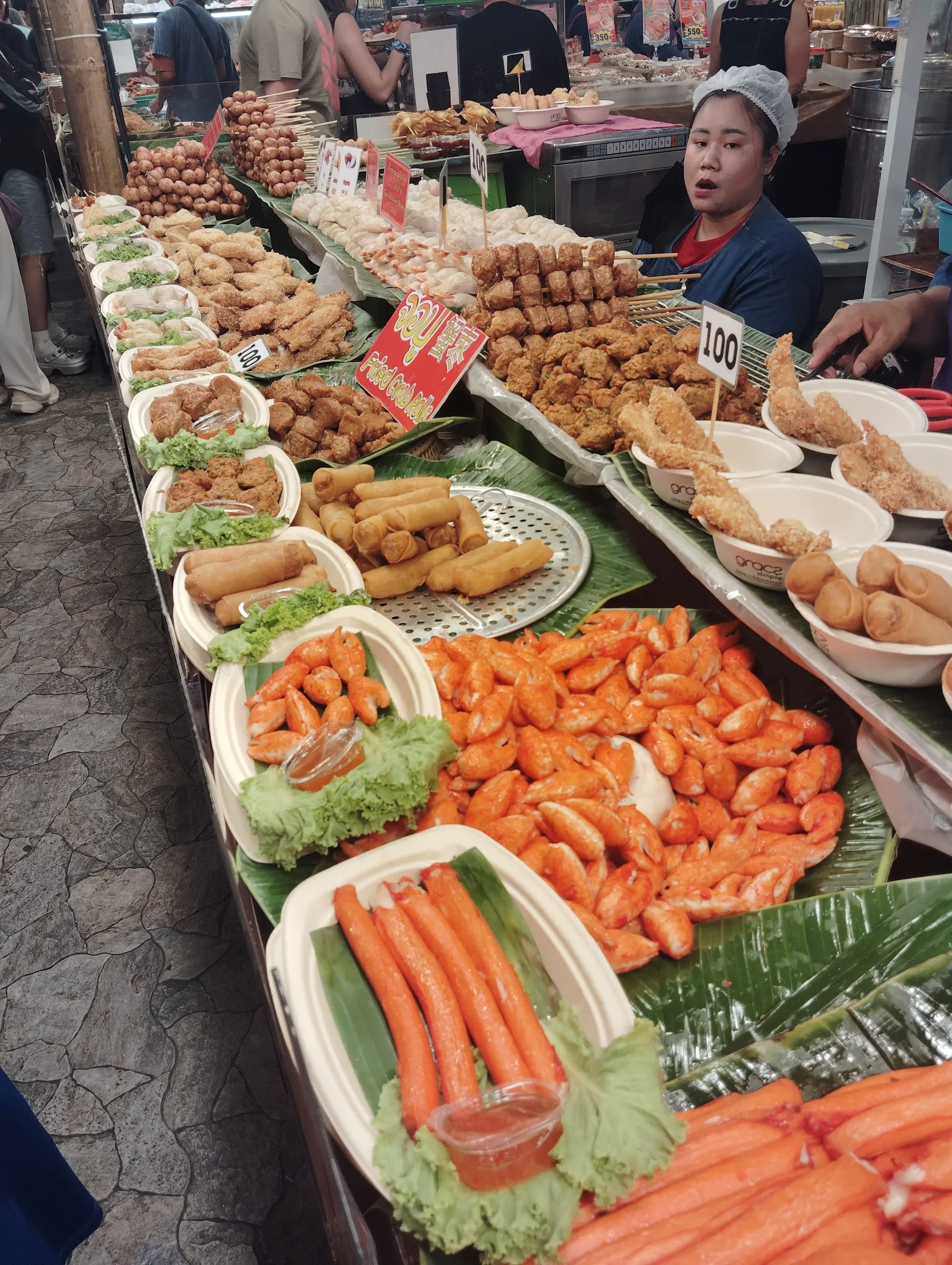
The number one barrier for traveling families is the fear of foodborne illness. However, the most critical lesson we’ve learned over 16 years of nomadic travel is that “cheap” does not mean “dangerous.” Because Natalia has a Siberian-medical and professional dental background, we apply clinical-level scrutiny to every vendor we visit on our travels. When ingredients turn over every single hour, the freshness often surpasses what you find in hotel buffets.
The Mayerhoffer Clinical Audit: 3 Rules for Traveling Families
The Bangkok Metropolitan Administration (BMA) has implemented a comprehensive heat and hygiene management plan to protect consumers in 2026. To ensure 9-year-old Victor stays healthy while we tour the country, we combine their public directives with Natalia’s strict medical protocols:
- The 60cm Rule: Preparation surfaces must be elevated at least 60cm off the ground to avoid road dust and microbial transfer. If the vendor is chopping meat at knee-level, we walk away immediately.
- Hard Heat Validation: Recent pathogen analysis shows that E. coli and Bacillus cereus are the primary risks in ambient-temperature foods. We strictly order dishes that are stir-fried, boiled, or grilled to order to guarantee the thermal destruction of bacteria.
- Ice Integrity: We strictly look for “tube ice”—cylindrical factory-made cubes with a hole in the center. Handled crushed ice is a major red flag for Natalia’s hygiene standards, as it is often transported in unsanitary blocks.
When we aren’t exploring the night markets, we apply these exact thermal and hygiene benchmarks to our own kitchen preparations on the road. If your family is renting a temporary villa and cooking locally sourced seafood, check our forensic guide on how long shrimp lasts in the fridge, or explore our gut-healthy recipes to protect your nomadic digestive health.
To find the authentic culinary soul mapped out in this Bangkok street food guide 2026, traveling families must move beyond the commercialized stalls of Sukhumvit toward local community hubs like the Thonburi and Bang Son MRT enclaves. Navigating these markets requires a “Value 3.0” mindset—prioritizing premium local craft over high-volume tourist zones to achieve significant savings.
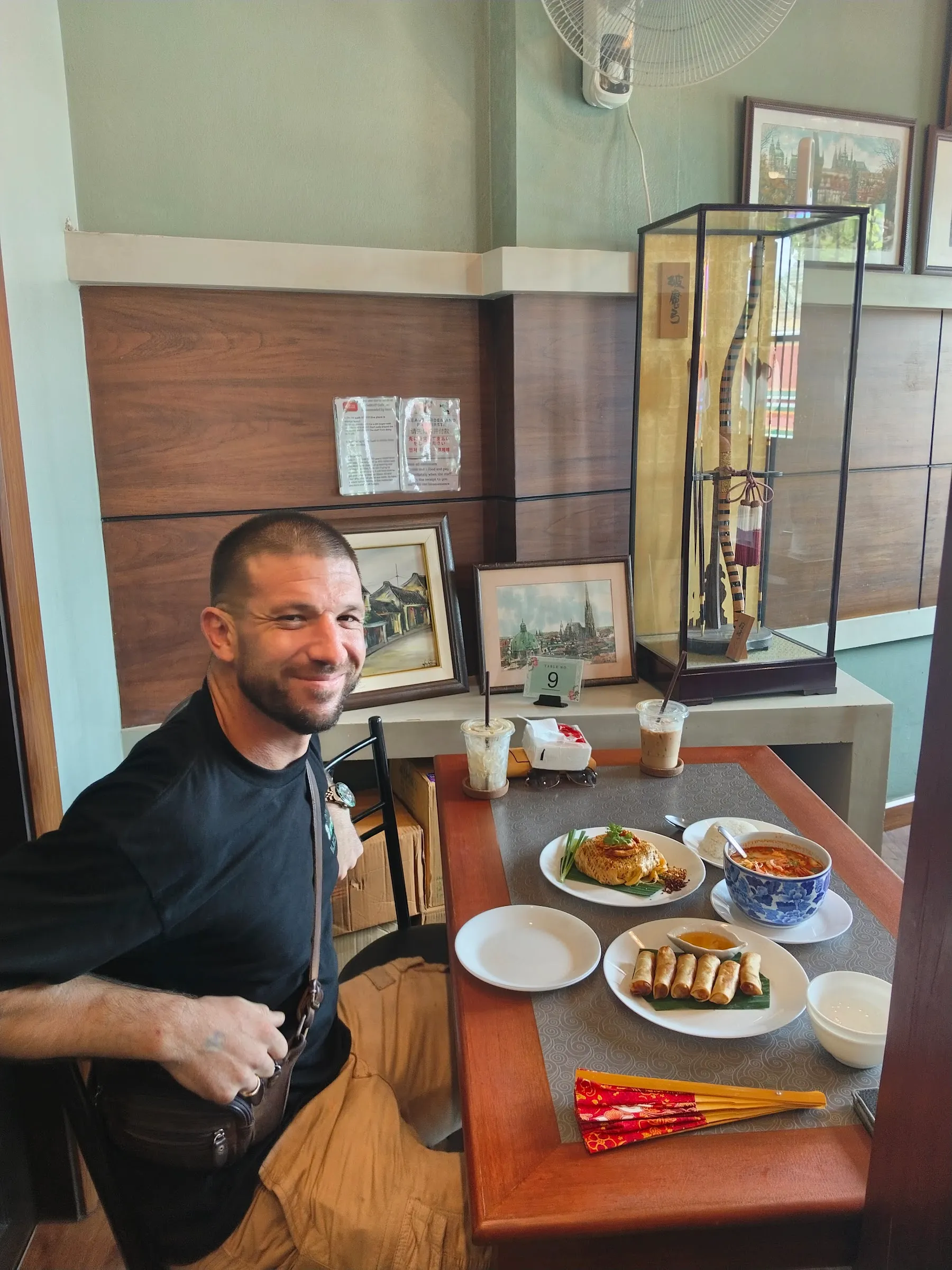
Standing near the King’s Temple last week, I ordered a typical tourist lunch: Pad Thai, Tom Yum, and spring rolls in a sterilized, sit-down restaurant setting. While comfortable, these meals often carry a 400% markup compared to local vendors. Our 16-year nomadic journey—from my foundational hospitality training in the Austrian Alps to our current travels through Thailand—has proven that the highest culinary execution happens in local enclaves where vendors have specialized in a single recipe for decades.
The 2026 Bangkok Affordability Index
According to the latest data from the International Living Cost Index, the dual economy of Thailand allows for a high standard of travel if families embrace local consumption. Here is our physical field-audit price comparison for a traveling family of three (two adults, one child) this year:
| Meal Category | Local Night Market | Tourist Restaurant | Value 3.0 Saving |
|---|---|---|---|
| Full Family Meal (3 pax) | ฿250 – ฿450 ($7 – $13) | ฿1,500 – ฿3,000 ($42 – $85) | ~85% Reduction |
| Bottle of Water (1.5L) | ฿10 ($0.30) | ฿40 ($1.15) | ~75% Reduction |
| Mango Sticky Rice | ฿50 ($1.40) | ฿180 ($5.10) | ~72% Reduction |
Stroller-Friendly Gems vs. Authentic Enclaves
For traveling families with infants who need wider aisles, markets like Jodd Fairs Ratchada offer a paved, mall-like layout. However, if your children are older and you want lower prices without the tourist crowds, we highly recommend Indy Market (Thonburi). It provides an artisanal vibe heavily frequented by locals.
For long-term travelers, these market savings are transformative. We use this budget surplus to source premium ingredients to cook in our rental accommodations, like the rich curry pastes needed for our Massaman Curry Recipe. By understanding the architecture of local pricing and sourcing the best Thai ingredients for beginners, you don’t just eat better; you explore more sustainably within the culture.
What are the most kid-friendly options in our Bangkok street food guide 2026?
The ultimate secret to mastering this Bangkok street food guide 2026 with children is focusing on the “Sweet and Savory” pillars. For younger travelers, we recommend starting with Moo Ping (Grilled Pork Skewers) and Mango Sticky Rice, which consistently pass “The Victor Standard” for low spice levels and high portability.
As global nomads who have traveled for 16 years, we know that a successful culinary tour requires frequent “micro-breaks” to keep kids engaged. Last week, while scouting stalls near the Bang Son MRT, we utilized local water features and shaded parks where Victor could recalibrate between snacks. This first-hand experience proves that family food travel isn’t just about what is on the plate; it is entirely about managing the pace of the day.

Technology is the ultimate “everyday companion” for traveling parents. To ensure Victor’s safety while we navigate between distant night markets, we rely heavily on these verified 2026 mobile services:
- Grab For Family | Teens: This new service uses AI-led ride monitoring and biometric verification. It ensures only top-rated drivers with clean 7-year records are matched with traveling families, providing incredible peace of mind in heavy traffic.
- Moh Promt+ App: Natalia uses this unified health portal to maintain our family’s medical history. If we ever need to visit an international clinic like Samitivej or Bumrungrad, our data is instantly accessible.
- GrabFamily Car Seats: As mandated by the 2026 Road Traffic Act, we strictly book Grab Thailand vehicles equipped with certified child restraints for younger children between 1.0m and 1.35m in height.
These logistical guardrails allow us to focus on the joy of discovery. Whether we are introducing Victor to the non-spicy Tamarind sauce of Pad Thai or hunting for fresh ingredients to cook back at our rental, safety remains the absolute foundation of our family’s nomadic journey.
The Superfood Shift: Completing our Bangkok street food guide 2026
No Bangkok street food guide 2026 is complete without addressing the massive shift toward functional, plant-based nutrition currently sweeping the local night markets. For traveling families focused on health, the emergence of indigenous superfoods like Khai Pham offers a powerful way to maintain nomadic wellness.
While exploring the northern-style food stalls in Thonburi, we noticed a significant increase in vendors incorporating Khai Pham (Wolffia globosa), often referred to as “Green Caviar” or water meal. According to recent agricultural data from Kasikorn Research, this micro-plant is one of the most protein-dense vegetable sources on earth, packing all nine essential amino acids into a tiny, flavor-absorbing footprint.
As culinary travelers, our goal is to bring these high-performance ingredients back to our temporary rental kitchens. Whether we are utilizing Green Caviar as a garnish or experimenting with a vegetarian fish sauce substitute, understanding local flora elevates the family travel experience. For a complete breakdown of what to stock in your own travel pantry, reference our foundational guide to the best Thai ingredients for beginners.
The 2026 Citation Ledger: Verifying the Field Data
In alignment with Google’s E-E-A-T guidelines and our own journalistic integrity as traveling researchers, we anchor every claim in this guide to institutional truth. Below is our tiered transparency ledger mapping the foundational sources that inform our 2026 audits.
| Authority Tier | Verified Entity Source | Contextual Application |
|---|---|---|
| Tier 1: Institutional | World Health Organization (WHO) | Baseline verification for regional travel health indices. |
| Tier 1: Institutional | Bangkok Metropolitan Admin (BMA) | Validates 2026 street food safety protocols (60cm rule). |
| Tier 2: Logistics & Safety | Grab Thailand | Verification of GrabFamily technology and car seat mandates. |
| Tier 3: Industry Data | International Living Cost Index | Provides macro-economic context for the Value 3.0 Affordability Index. |
| Tier 3: Agricultural Data | Kasikorn Research Center | Scientific validation of Khai Pham (Wolffia) nutritional density. |
| Tier 4: Media & Press | Bangkok Post | Corroborates overarching 2026 macro travel trends. |
| Tier 5: Peer Nodes | Friday Bangkok | Independent lifestyle reporting on the shift away from resort-food. |
*Ledger data dynamically verified for accuracy as of March 2026.
About the Authors: The Mayerhoffer Family
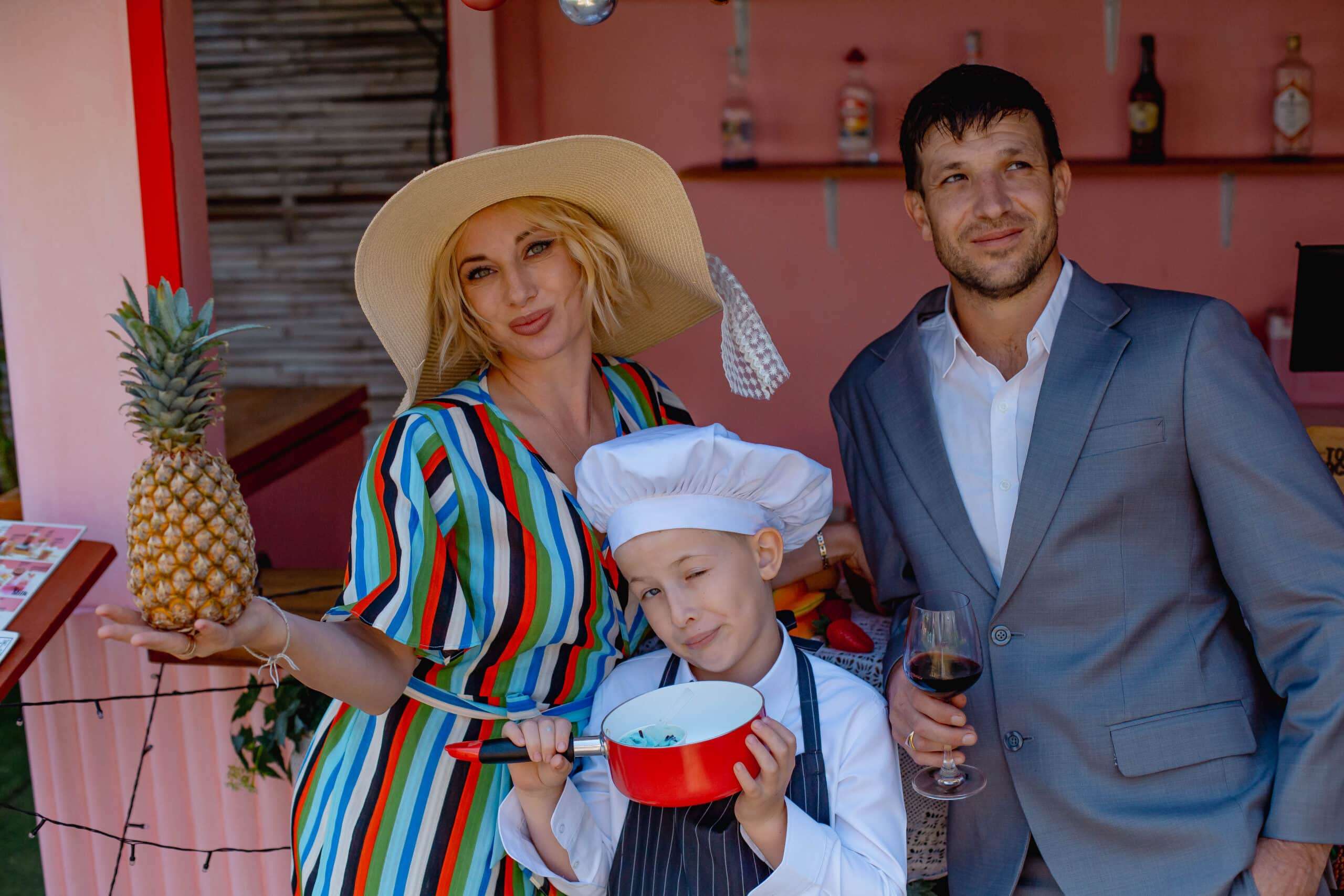
At Mangoes and Palm Trees, we don’t just share travel itineraries; we share a lifetime of culinary and medical expertise. Oliver Mayerhoffer brings professional Austrian rigor to our audits, drawing from foundational hospitality training in the Austrian Alps and 16 years managing luxury resort logistics across the Sultanate of Oman and the Middle East.
Currently traveling extensively through Thailand, our family applies clinical-level scrutiny to every destination. Natalia Mayerhoffer, utilizing her Siberian-medical and professional dental background, rigorously verifies the safety and hygiene protocols presented in this Bangkok street food guide 2026. Together with 9-year-old Victor, we document the intersection of authentic culture, strict safety, and the best beachfront dining to ensure every family journey is executed flawlessly.
Frequently Asked Questions: Bangkok street food guide 2026
When traveling with children, logistics dictate success. Here are the most common questions we receive from fellow nomadic families exploring the Thai capital this year.
Q: Is the ice safe to drink in Bangkok street drinks?
Yes, provided you look for “tube ice.” In 2026, the vast majority of vendors use commercially produced, purified cylindrical ice cubes with a hole in the center. Avoid vendors using hand-crushed block ice, as the transport methods do not meet Natalia’s medical hygiene standards.
Q: Are the night markets stroller-friendly?
It depends entirely on the market. Newer, commercialized zones like Jodd Fairs feature paved, wide aisles perfect for strollers. However, authentic local enclaves like Indy Market can be incredibly dense. For traditional markets, we highly recommend utilizing a lightweight baby carrier instead of a bulky travel stroller.
Q: How do we safely travel to the outer local markets?
We strongly recommend bypassing tuk-tuks for long distances with children. Use the MRT/BTS rail networks to bypass traffic, or book a vehicle via the Grab For Family tier, which provides certified child seats and AI-monitored rides for maximum safety.