Editorial standards: editorial policy · Affiliate disclosure: affiliate disclosure · Family-tested archive — updated 2026-08.
Dried chilaca pepper swaps
Substitute for Pasilla Chile
What is a substitute for pasilla chile? Ancho, guajillo, and mulato dried swaps — sauce vs stew heat bands and Scoville notes from August 2026 chili fieldwork.
What is a substitute for pasilla chile?
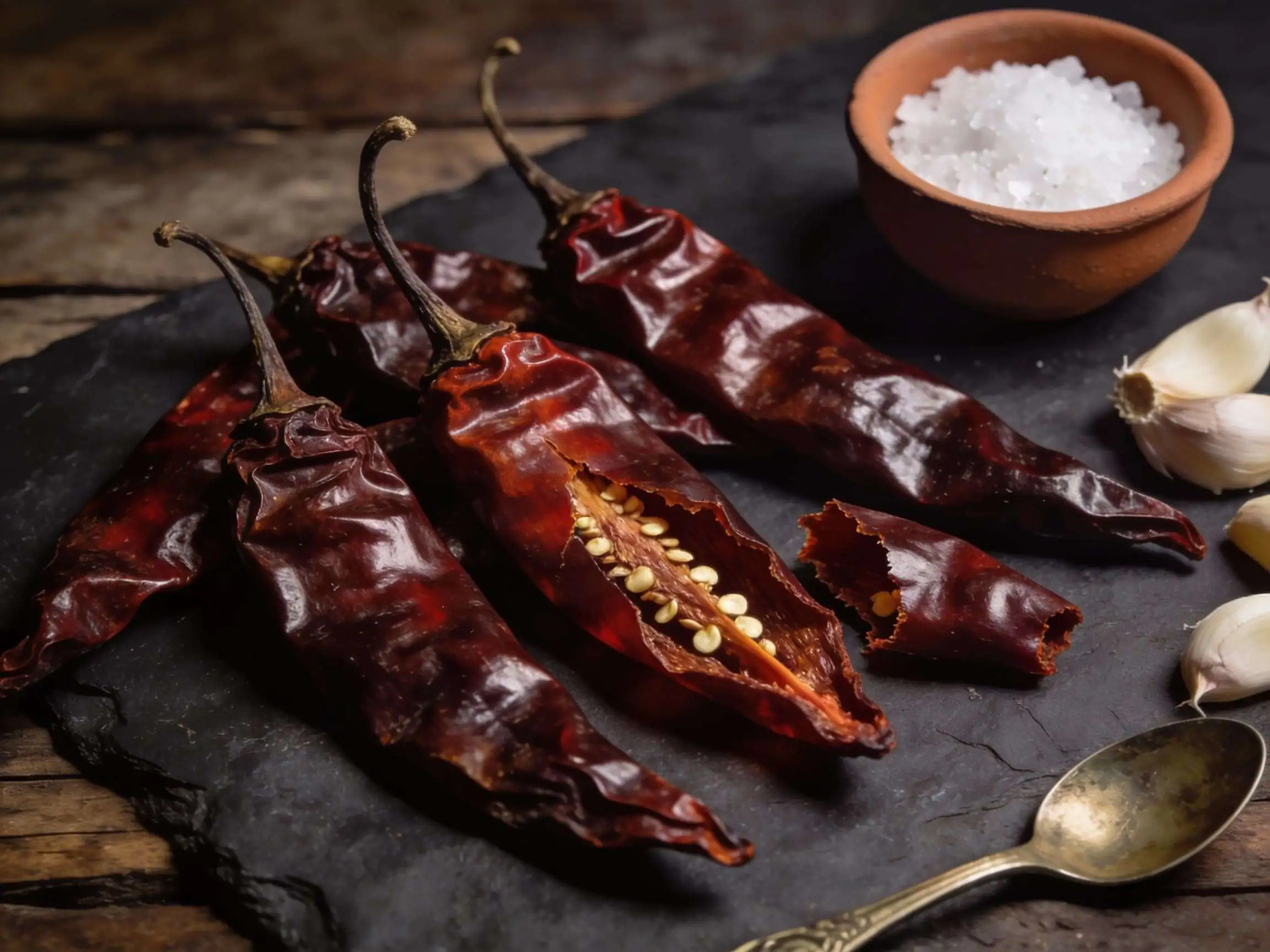
A substitute for pasilla chile is ancho for mild mole and sauce (1,000–1,500 SHU), guajillo for fruitier heat in enchilada sauce, or mulato for darker stew depth. Rehydrate dried swaps twenty minutes, blend smooth, and start one-to-one by weight — guajillo runs hotter, so reduce for family plates.
Oliver writes from Southeast Asia fieldwork through August 2026; Natalia reviews safety and nutrition notes; Victor is the final vote on family plates.
Which dried chiles swap best for pasilla?
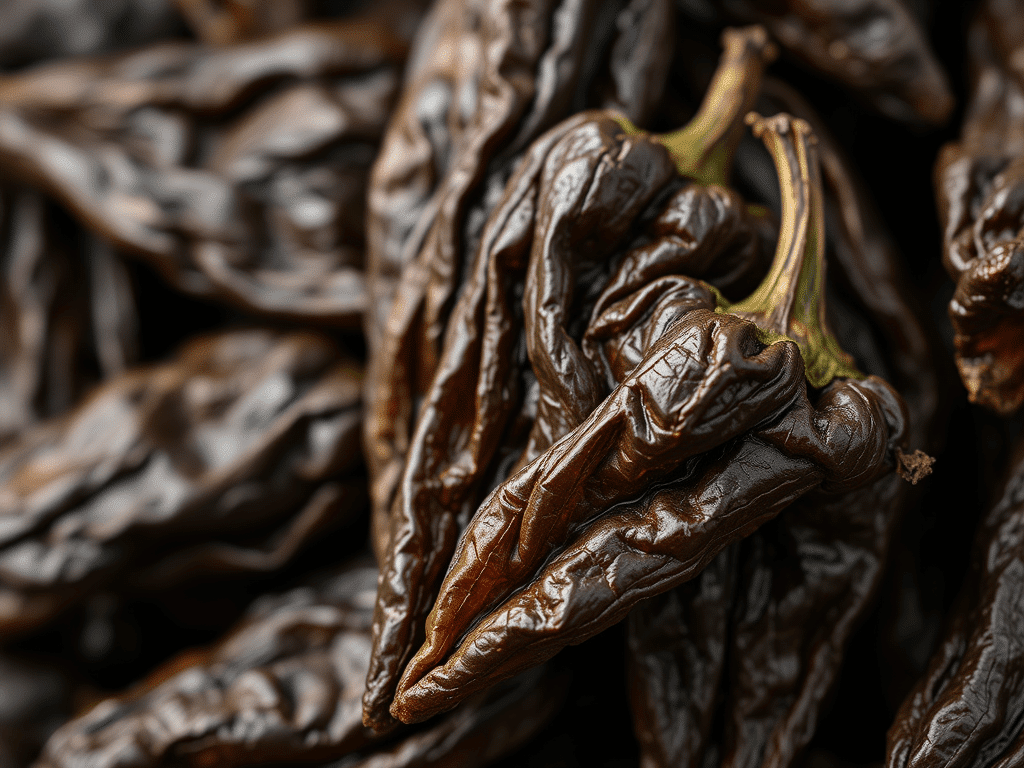
The best pasilla chile substitutes are ancho (1:1 mild swap, 1,000–1,500 SHU), guajillo (fruitier, 2,500–5,000 SHU), and mulato (chocolate-smoke stews, 500–2,500 SHU). Pasilla is dried chilaca — part of the mole holy trinity with ancho and mulato. See guajillo vs ancho and ancho substitutes for cluster context.
Which pasilla substitute fits sauce versus stew?
For enchilada or table sauce, ancho matches pasilla's mild raisin note at the table. Guajillo adds brightness but runs hotter — start at three-quarters volume for Victor's plate. For long braises and stew, mulato brings chocolate-smoke depth closer to pasilla's berry-smoke footprint in mole.
How should you toast and soak pasilla substitute pods?
- Stem and seed: Shake seeds loose; flatten pods for even contact in a dry skillet.
- Toast ~30 seconds per side: Fragrant and flexible — not smoking or bitter.
- Soak 20 minutes: Hot water off the boil; blend with liquid for salsa, strain if you want silk.
Natalia sometimes discards soak water on spicier guajillo swaps for heat-sensitive eaters; Victor still wants smoke and color, so we keep the toast step non-negotiable.
Spice sensitivity: Capsaicin can irritate sensitive stomachs. We buffer hot sauces with avocado or rice — not medical advice, just what works for our table. See our gut-friendly recipe hub for milder weeks.
What mistakes trip up pasilla substitutes?
- Skipping the toast: Raw soaked ancho tastes flat — brief dry heat unlocks the swap.
- 1:1 guajillo without tasting: Guajillo runs hotter than pasilla; reduce pods before you blame the recipe.
- Confusing poblano with pasilla: Fresh poblano dries to ancho, not pasilla — see pasilla vs poblano.
- When markets run short: Buy ancho and guajillo in bulk, label the jar, and freeze backup bags in humid kitchens.
When should you not substitute pasilla with chipotle?
Chipotle and cayenne overshoot pasilla's 1,000–2,500 SHU band. Generic chili powder is not a 1:1 swap — cumin and garlic clash with pure pasilla paste. Reach for ancho or mulato instead, or route heat questions through ultimate guide to chili peppers.
How does this page fit the pasilla chili cluster?
This URL targets the exact query "substitute for pasilla chile" with dried swap ratios and Scoville bands. For ancho-specific guides read ancho substitutes; for guajillo routing use guajillo substitutes and chile ancho substitutes; route all spokes through chili library.
What we learned
- Ancho at 1:1 fixed mole when pasillas vanished mid-recipe — raisin sweetness reads closer than guajillo on first pass.
- Mulato carried chocolate-smoke depth in long braises when we needed stew color without guajillo heat on Victor's bowl.
- In humid Southeast Asia kitchens we freeze labeled backup bags — pods that bend instead of snap fail the swap before you blend.
"When Dad uses ancho instead of pasilla, the mole still tastes smoky — not mouth-on-fire spicy. That's the swap I want on enchilada night."
— Victor Mayerhoffer, age 9
Keep exploring after this pasilla substitute guide
More guides we reach for in Mexican and weeknight kitchens — grouped so you can compare heat, swap dried chiles, or jump to a family recipe.
- Compare & swap: Pasilla vs poblano · Ancho substitutes · Guajillo substitutes · Guajillo vs ancho
- Hubs: Chili pepper library · Ultimate guide to chili peppers · Ingredients hub
- Cook tonight: Chile ancho substitutes · California vs guajillo · Poblano chile
- Who we are: Oliver Mayerhoffer · Natalia Mayerhoffer · Editorial policy · Affiliate disclosure
Questions we hear often
What is the closest substitute for pasilla chiles?
Can guajillo replace pasilla in mole?
How do you rehydrate dried pasilla substitutes?
Are pasilla and poblano the same pepper?
Can chipotle replace pasilla in mole?
Meet the Mayerhoffers
“Free-spirited food adventurers, culture-seekers, and the guardians of 15 years of global memories.”

Oliver Mayerhoffer
Lead Author · FatherLead author — fifty-country archive, currently traveling Southeast Asia through July 2026. Oliver brings field-tested recipe structure and honest weeknight notes from family kitchens abroad.

Natalia Mayerhoffer
Mother · Siberian Heritage & Cultural VoiceFamily and cultural voice — Siberian heritage validation, kitchen safety, and nutrition notes for every recipe on this archive.
“Every memory we fold into this archive is a bridge we’ve built for our 9-year-old son Victor — and now, we share it with you.”
Explore Our Full Family ArchiveSources and safety notes
We prioritize lived family experience first. When food safety or heritage context matters, we cross-reference field notes with official references listed below.
NMSU Chile Pepper Institute
Scoville heat and pepper science
Read sourceHarvard T.H. Chan School of Public Health
nutrition source notes
Read sourceEditorial field notes
Family field notes — Mayerhoffer kitchen testing, August 2026 Southeast Asia season
Enjoying our content? Make Mangoes & Palm Trees a preferred source on Google.
Explore next


Chili substitute routing
Poblano and pasilla swap guides linked to ancho substitutes, pasilla comparison, and chili library.