Editorial standards: editorial policy · Affiliate disclosure: affiliate disclosure · Family-tested archive — updated August 2026.
Bronze-cut noodles · box-method bake
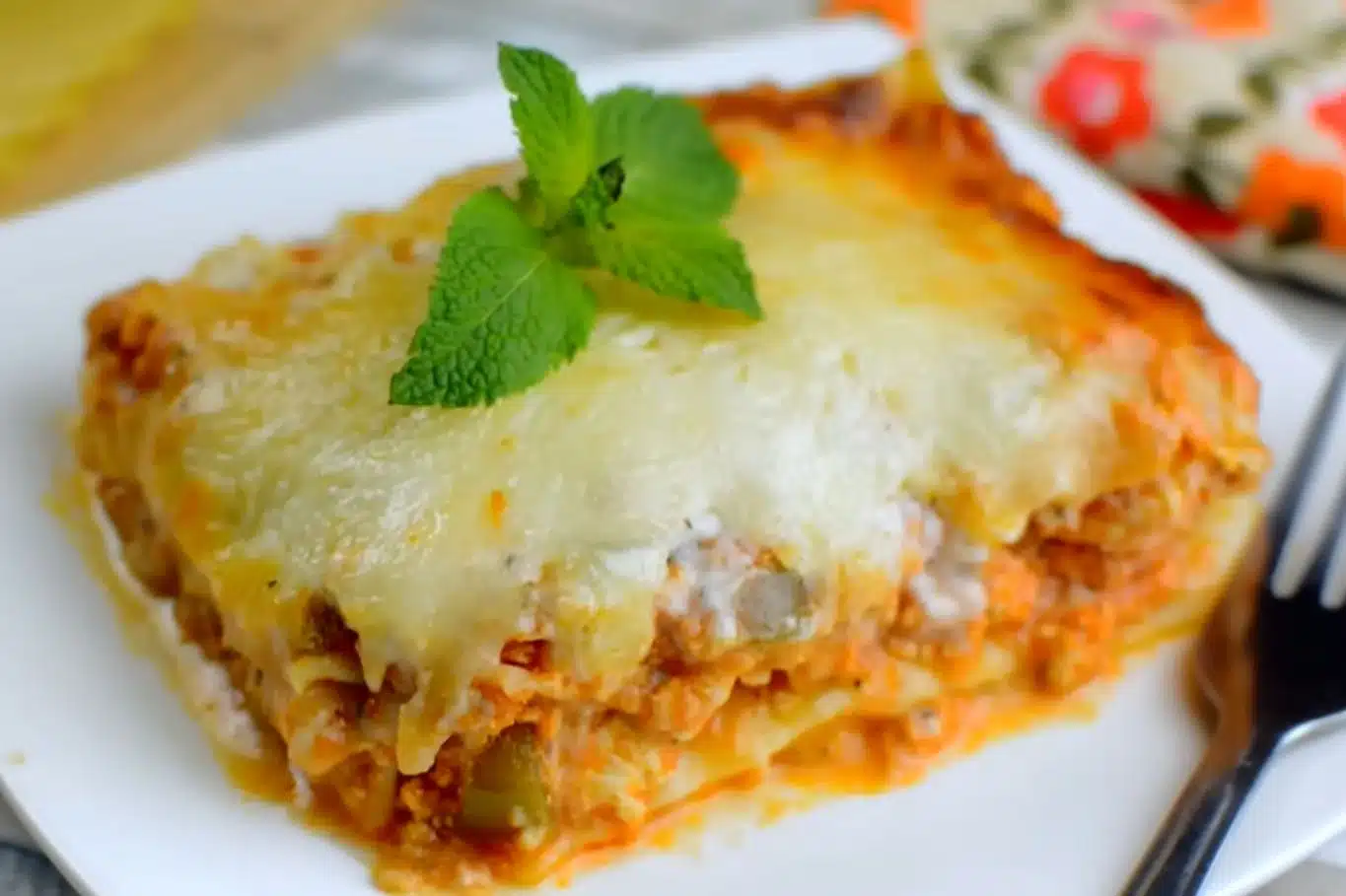
Ronzoni Lasagna Recipe
Bronze-cut Ronzoni sheets boiled 8–10 minutes, layered with browned beef marinara and an egg-ricotta binder, then baked to 165°F with a ten-minute rest — the box lasagna Sandra shared at a St Paul’s, Cheltenham table when Victor was in school, during our extended UK years. We kept her boil-and-layer clock and added a pinch of red-pepper flakes to adult marinara only; Victor’s plate stays mild.
What is the Ronzoni lasagna recipe?
This Ronzoni lasagna recipe boils 12 oz sheets 8–10 minutes, layers noodles with sauce, ricotta, and mozzarella in a greased 9×13 dish, and bakes covered at 375°F until bubbly. Our family version keeps that boil-and-layer flow and adds an egg-ricotta binder for cleaner slices at 165°F internal.
Sandra’s St Paul’s boil-and-layer method still drives the clock; Natalia checks casserole doneness at 165°F; Victor votes on whether Sunday lasagna comes back — his plate stays mild. Jump to full recipe
Key takeaways
- Boil, do not skip — 12 oz Ronzoni sheets 8–10 minutes for al dente control.
- Egg-ricotta binder — one egg sets the layer for cleaner slices.
- 375°F to 165°F — covered 30 min, uncovered 15 min, thermometer in centre.
- 10-minute rest — slices hold; juices settle before you cut.
- Adult red-pepper split — pinch of flakes in adult marinara only; Victor's portion stays mild.
How Sandra's St Paul's lasagna became our Sunday bake
Sandra — Italian-American with Ohio roots and a Sicilian father — served Ronzoni box lasagna at a St Paul's, Cheltenham table when Victor was in school during our extended UK years. We kept her boil-and-layer clock and added an egg-ricotta binder with a 165°F thermometer finish. Adult marinara gets a pinch of red-pepper flakes; Victor's plate stays mild.
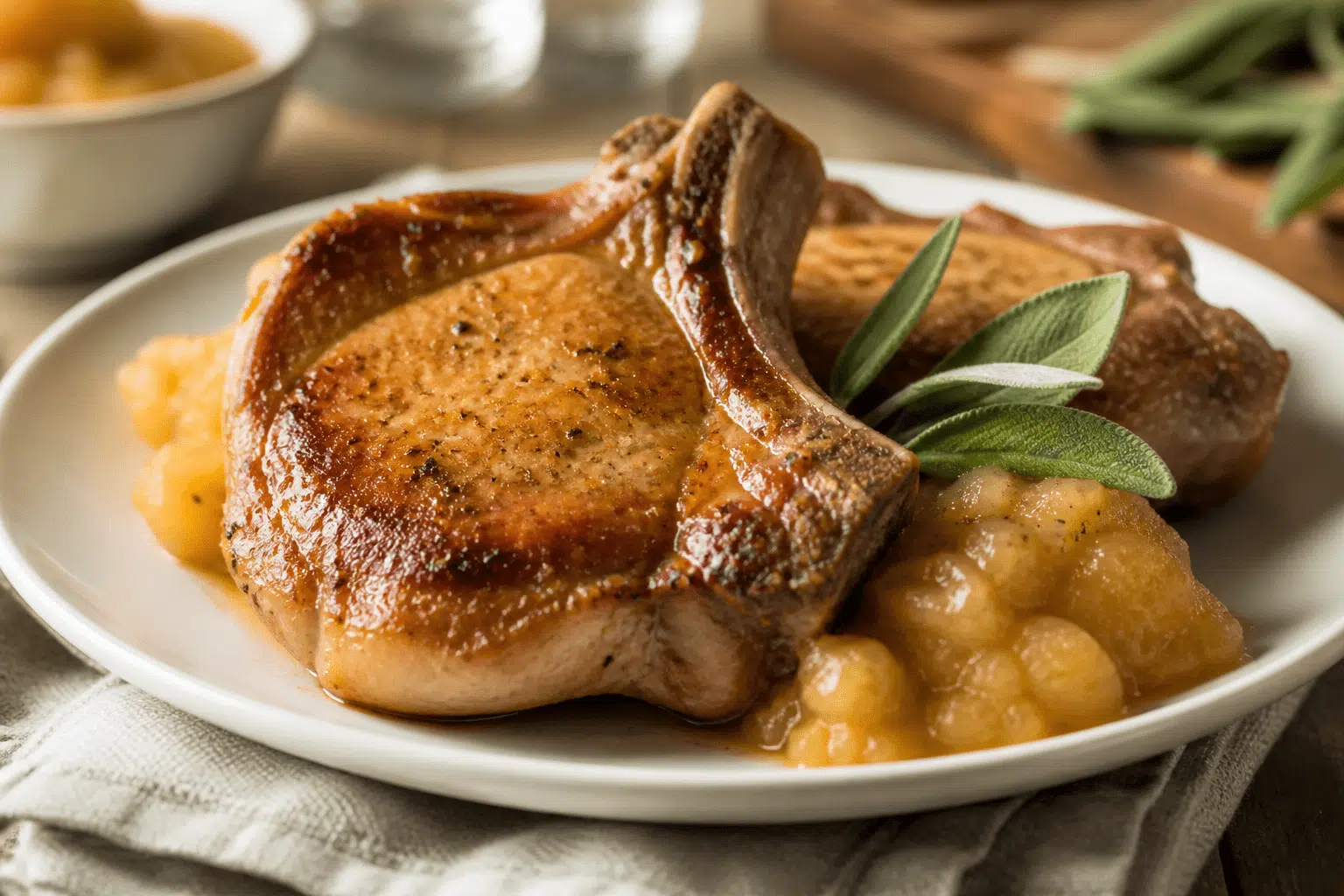
Skip the boil and the sheets stay hard at the edges of a 9×13. Cut before the ten-minute rest and the stack slides — I build that wait into the Sunday clock now. That same UK-years rhythm shows up in our pork chops and applesauce field notes from Charlton Kings — roast or bake mains on one clock, sides Victor already accepts.
What we learned baking Ronzoni lasagna
- Skipping the boil on traditional sheets leaves hard edges in a 9×13 — the box method exists for a reason.
- One egg in the ricotta sets the layer; without it, slices slide apart and sauce pools at the bottom.
- Covering the first 30 minutes steams the centre; uncovering browns the cheese without drying the top layer.
- A 10-minute rest matters as much as the 165°F finish — cut too early and the stack collapses.
- Sandra's box boil-and-layer → our egg-ricotta binder and thermometer habit — same Sunday bake, cleaner slices.
Ronzoni lasagna recipe on the box vs scratch: what's different?
The box method is boil-and-layer: cook traditional Ronzoni sheets, alternate noodles with sauce and cheese, and bake until the centre hits a safe 165°F. Scratch upgrades follow the same box timing.
| Element | Box method | Our family upgrade |
|---|---|---|
| Noodles | Boil 12 oz sheets 8–10 min | Same — al dente control |
| Sauce | Jar marinara layered | Browned 80/20 beef stirred in |
| Cheese | Ricotta and mozzarella | Egg-ricotta-Parmesan binder |
| Bake | 375°F until bubbly | 165°F centre, 10-minute rest |
| Spice | Jar marinara as printed | Pinch red-pepper flakes in adult marinara only; Victor mild |
Natalia's Family Care Standard — casserole doneness
Baked pasta casseroles should reach 165°F (74°C) in the centre — USDA FSIS guidance for leftovers and reheated dishes. Use an instant-read thermometer through the top layer into the middle.
| Phase | Time / target | Why |
|---|---|---|
| Covered bake | 30 min at 375°F | Steams centre without drying cheese |
| Uncovered bake | 15 min until 165°F | Browns top; confirms safe centre |
| Rest | 10 minutes | Slices hold; juices settle |
Boil the sheets, brown the beef, one egg in the ricotta, adult red-pepper in the marinara batch only, 375°F to 165°F, ten-minute rest — Sandra's St Paul's box clock with our binder and thermometer habit.
Ronzoni lasagna recipe
Twelve ounces of Ronzoni sheets boiled 8–10 minutes, layered three times with ricotta-egg binder and 80/20 beef marinara in a 9×13 dish, baked at 375°F until 165°F, rested 10 minutes — the box-method lasagna we keep on this archive.
Serving scaler
Scale this Ronzoni lasagna recipe
Adjust servings — noodle boxes, beef, sauce, and cheese update instantly. Salt and dried herbs scale gently; eggs stay whole numbers. Oven time and pan size stay fixed.
How does the lasagna serving scaler work?
Choose four, six, eight, or twelve servings in the scaler above. Noodles, beef, marinara, and cheese scale linearly; salt and dried herbs scale gently; the egg stays a whole count. Oven time and pan size stay fixed — taste the sauce before baking. Screenshot scaled quantities when cooking for a larger Sunday table.
Ingredients
Noodles and sauce
- 12 oz Ronzoni lasagna noodles (1 box)
- 1 lb ground beef (80/20)
- 4 cups marinara sauce
- 2 tbsp olive oil
- 1 medium onion, diced
- 2 cloves garlic, minced
Cheese layers
- 15 oz ricotta cheese
- 3 cups shredded mozzarella cheese
- 0.5 cup grated Parmesan cheese
- 1 large egg
Seasoning
- 1 tsp kosher salt
- 0.5 tsp black pepper
- 1 tsp dried oregano
- 2 tbsp fresh basil, chopped
- Pinch red-pepper flakes (adult marinara only)
Step-by-step method
- Boil the sheets. Preheat oven to 375°F (190°C). Boil Ronzoni lasagna sheets 8–10 minutes until al dente. Drain, rinse with cool water, lay flat on a towel.
- Brown the meat sauce. Sauté onion and garlic in 2 tbsp olive oil. Brown 1 lb ground beef with seasonings. Drain fat, stir in 4 cups marinara, and add a pinch of red-pepper flakes to the adult batch — Victor's portion stays mild.
- Mix the ricotta binder. Whisk 15 oz ricotta with 1 beaten egg and 1/2 cup Parmesan.
- Layer three times. Spread sauce in a greased 9×13 dish. Alternate noodles, ricotta binder, meat sauce, and 3 cups mozzarella. Finish with pasta, sauce, and cheese.
- Bake to 165°F. Cover with foil and bake 30 minutes. Uncover and bake 15 minutes until cheese browns and center reads 165°F (74°C). Rest 10 minutes before slicing.
Tested by Oliver Mayerhoffer.
What goes wrong with box-method lasagna?
| Mistake | What happens | Fix |
|---|---|---|
| Using oven-ready sheets like boil noodles | Soggy or underdone layers | Boil traditional 12 oz box 8–10 minutes |
| Skipping the egg in ricotta | Sliding slices, watery bottom | One beaten egg plus Parmesan |
| Cutting before rest | Stack collapses | Rest 10 minutes on a rack |
| Guessing doneness by bubbles | Underdone centre | Thermometer at 165°F in the middle |
Keep exploring after lasagna night
Sunday pasta routing — casseroles, fridge storage, meal courses, and the recipe index.
- Pasta: Pasta casserole recipes · Storing lasagna · Instant Pot pasta
- Sunday mains: Pork chops and applesauce · Pork steak recipes · Complete meal courses
- Who we are: Oliver Mayerhoffer · Natalia Mayerhoffer · Editorial policy · Family blog
Questions we hear often
Should you use boiling or oven-ready Ronzoni lasagna sheets?
What oven temperature works for this Ronzoni lasagna recipe?
Why does this lasagna recipe call for an egg in the ricotta?
Can you prepare this lasagna in advance?
What makes Ronzoni lasagna noodles our family top choice?
Victor and Sunday lasagna portions
What Victor said
Victor eats this lasagna when the portion is mild — no chili or red-pepper heat on his plate, familiar mozzarella on top, and a salad he already likes on the side. He is not the cook; he is the vote on whether Sunday lasagna comes back next month.
Oliver's honest note
I keep Sandra's boil-and-layer clock, the egg in the ricotta, a pinch of red-pepper flakes in the adult marinara batch only, and the 165°F finish with a 10-minute rest. Slices hold a clean edge when I respect the rest; rush the cut and sauce pools at the bottom. If I assemble ahead, I add five minutes to the covered bake and still check the centre with a thermometer.
Meet the Mayerhoffers
“Free-spirited food adventurers, culture-seekers, and the guardians of 15 years of global memories.”

Oliver Mayerhoffer
Lead Author · FatherLead author — fifty-country archive, currently traveling Southeast Asia. Oliver brings field-tested recipe structure and honest weeknight notes from family kitchens abroad.

Natalia Mayerhoffer
Mother · Clinical & Family Safety ValidatorClinical and family safety validator — Siberian heritage context and kitchen safety notes in labeled interrupt blocks only, not lead narrative.
“Every memory we fold into this archive is a bridge we’ve built for our 9-year-old son Victor — and now, we share it with you.”
Explore Our Full Family ArchiveSources and safety notes
USDA casserole doneness and St Paul’s, Cheltenham field notes from Sandra’s box lasagna adaptation — not a domicile claim.
USDA FSIS — safe minimum cooking temperatures
Baked casserole doneness and rest
Read sourceFDA — egg and dairy safety
Cheese and egg handling in baked pasta
Read sourceHarvard T.H. Chan School of Public Health
Nutrition source notes for family plates
Read sourceEditorial field notes
Editorial field notes — St Paul’s, Cheltenham school-year table: Sandra’s Ronzoni box lasagna adapted with egg-ricotta binder, adult red-pepper marinara, and 165°F finish (field notes, August 2026). No Thailand domicile.
Enjoying our content? Make Mangoes & Palm Trees a preferred source on Google.
Explore next




Pasta bake routing
Pair Ronzoni lasagna with pasta casseroles, fridge storage, and the family recipe index.