Editorial standards: editorial policy · Affiliate disclosure: affiliate disclosure · Family-tested archive — updated 2026-07.
Velvet chicken · snap shrimp
House Special Soup
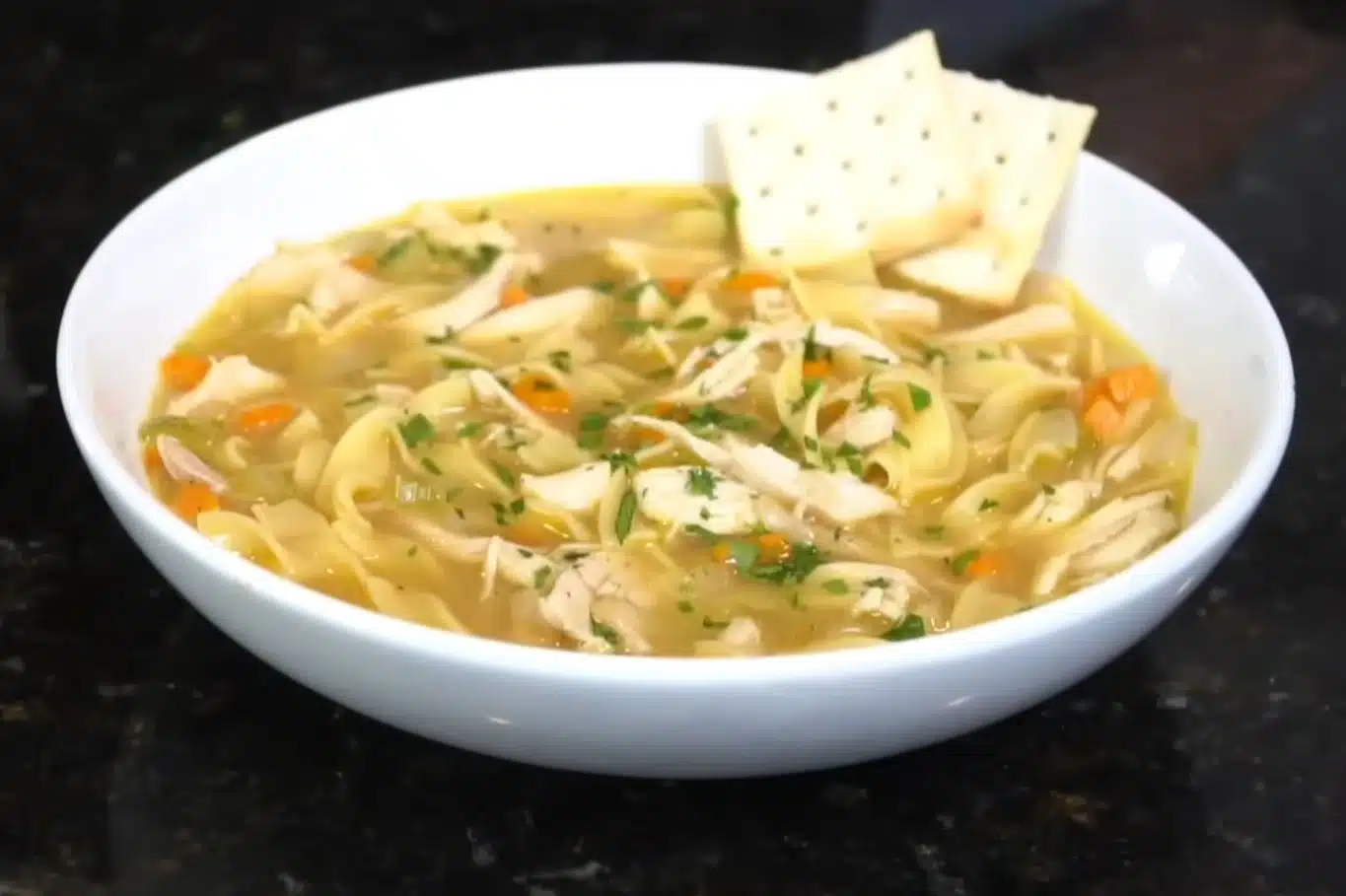
House special soup velvet-brines chicken and shrimp separately, simmers a clear broth without a hard boil, then finishes bok choy in two minutes for four servings in about thirty-five minutes — simmered in Southeast Asia rental kitchens until chicken stays velvet-soft and shrimp finish in the last two minutes.
What is house special soup?
House special soup is a clear Chinese-style broth with velveted chicken strips and alkaline-brined shrimp added in stages. Simmer aromatics and vegetables, add chicken for three minutes, then shrimp and bok choy for two. Optional coconut milk goes off heat. Four servings take about thirty-five minutes; cook noodles separately so starch does not cloud the pot.
Oliver writes from Southeast Asia rental kitchens through July 2026; Natalia reviews safety and nutrition notes; Victor is the final vote on family plates.
What is house special soup?
House special soup here means a clear broth with two proteins staged separately: velveted chicken strips and alkaline-brined shrimp. The SOURCE method keeps the pot at a simmer after the initial boil so the broth stays bright instead of cloudy.
We build the same pot in Southeast Asia rental kitchens through 2026. Optional bruised lemongrass and a half-cup of coconut milk off heat are a finish — not a curry base.
For a cream chicken counterpart see chicken velvet soup and spicy chicken noodle soup.
How do you keep the broth clear?
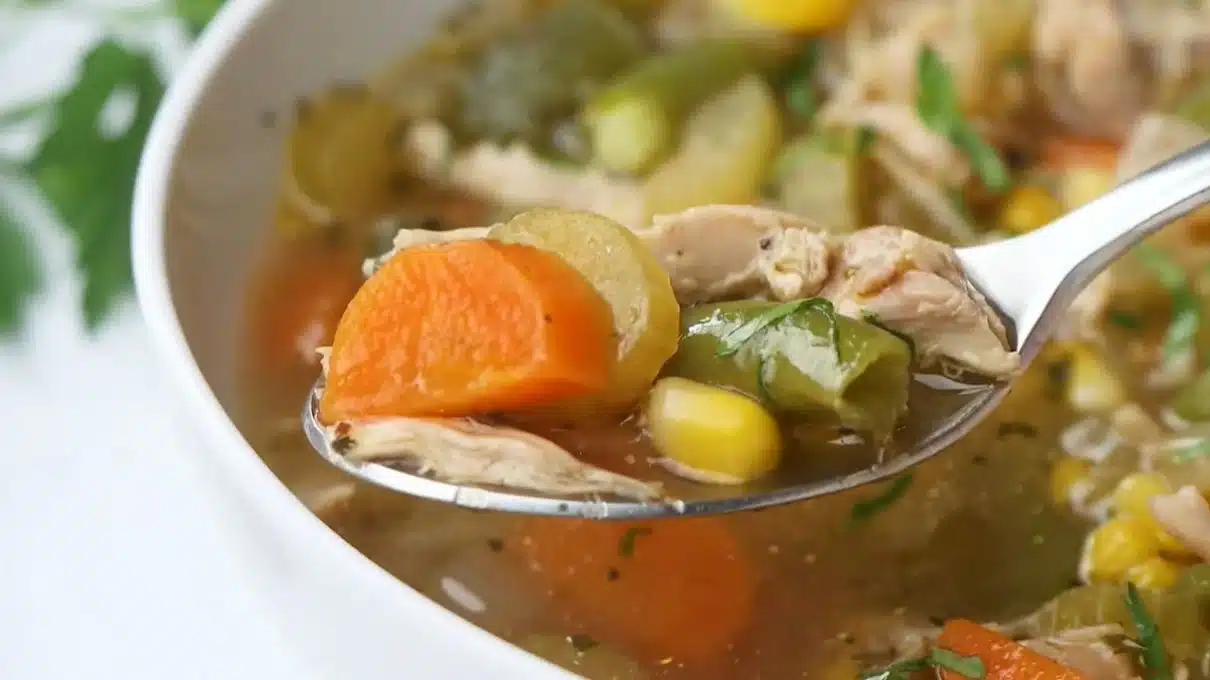
Bring the broth up once, then drop to a gentle simmer. A rolling boil emulsifies fat and protein and turns the pot opaque. Skim the pale foam that rises when velveted chicken goes in — that is coagulated protein from the marinade.
Cook rice noodles in a separate pot. Starch released into the soup is the fastest way to lose clarity. Ladle hot broth over noodles in the bowl instead.
Which proteins go in first?
| Protein | Prep | In the pot |
|---|---|---|
| Chicken breast | ½ lb strips · soy + cornstarch + oil · 15 min rest | Simmer 3 minutes after broth is gentle |
| Shrimp | ½ lb · baking soda brine · rinse well | Last 2 minutes with bok choy |
| Bok choy | 2 cups chopped | Same 2-minute window as shrimp |
| Coconut (optional) | ½ cup | Off heat only — high heat splits coconut milk |
How do you velvet chicken for soup?
Toss thin breast strips with one teaspoon each of soy sauce, cornstarch, and oil. Fifteen minutes is enough for the coat to hydrate. The starch shield keeps lean meat silky in a hot broth.
Slice evenly so every strip finishes in the same three-minute window. Pair with Hmong cabbage and chicken when you want a skillet instead of a ladle.
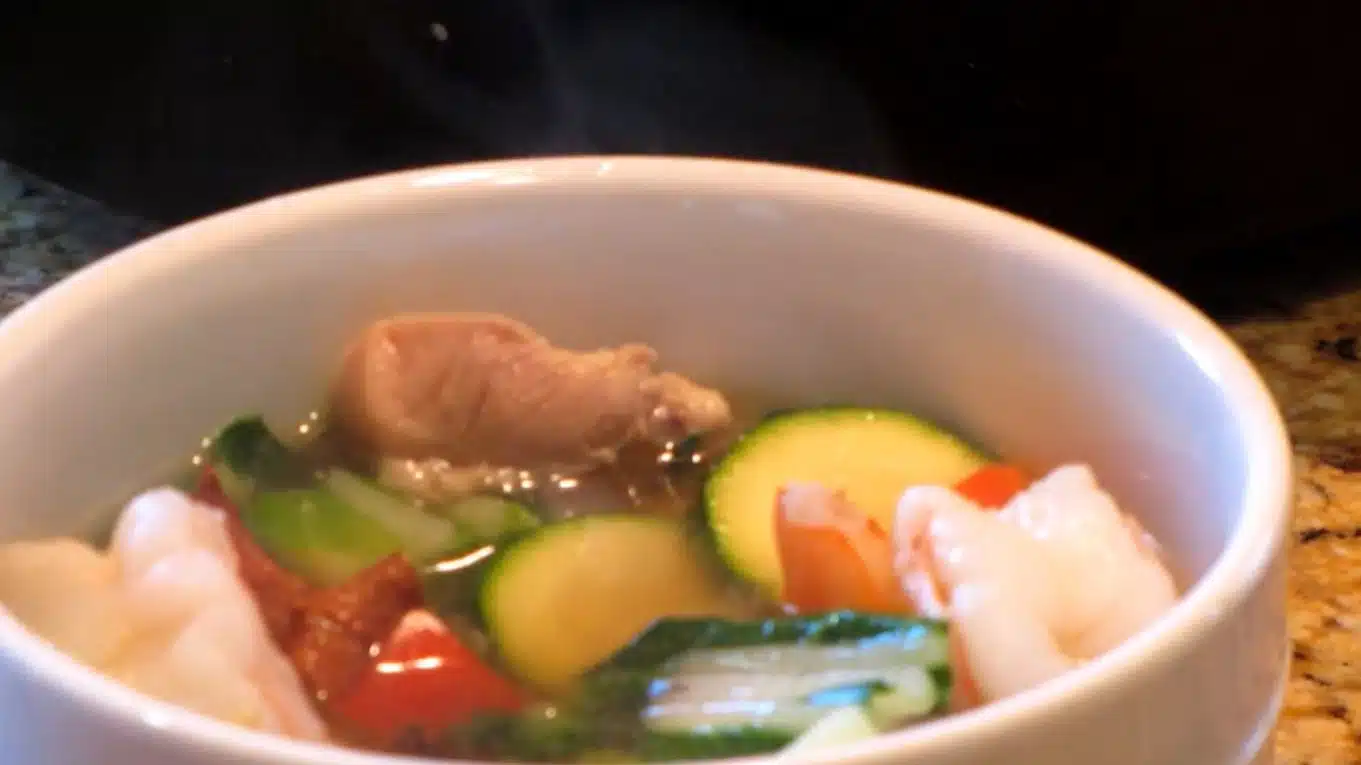
House special soup
Thirty-five minutes, four servings: velvet chicken, brined shrimp, clear simmered broth.
Ingredients
Proteins
- ½ lb chicken breast, thin strips
- 1 tsp soy sauce, 1 tsp cornstarch, 1 tsp oil (velvet coat)
- ½ lb large shrimp, peeled and deveined
- ½ tsp baking soda and pinch salt (shrimp brine)
Broth
- 1 tbsp sesame oil
- 1 medium onion, diced
- 2 cloves garlic, minced
- 1 tbsp grated ginger
- 1 stalk lemongrass, bruised (optional)
- 1 cup carrots, sliced
- ½ cup celery, sliced
- 6 cups low-sodium chicken broth
- 2 tbsp soy sauce
- 2 cups bok choy, chopped
- ½ cup coconut milk (optional)
- White pepper, cilantro, lime wedges
Method
- Velvet & brine: Toss chicken with soy, cornstarch, and oil; rest 15 minutes. Brine shrimp with baking soda and salt 10 minutes, then rinse.
- Aromatics: Heat sesame oil. Cook onion, garlic, ginger, and optional lemongrass 2 minutes without browning. Add carrots and celery 2 minutes.
- Broth: Pour in broth and soy. Bring to a boil, then reduce to a gentle simmer.
- Chicken: Slide velveted chicken in; simmer 3 minutes and skim foam.
- Finish: Add shrimp and bok choy; simmer 2 minutes until pink. Off heat, stir optional coconut milk, white pepper, cilantro, and lime. Serve over cooked noodles.
How do you store and reheat house special soup?
| Method | Instructions | Duration |
|---|---|---|
| Fridge | Cool, then airtight | Eat within 3–4 days per USDA FSIS leftover guidance |
| Reheat | Gentle simmer; add fresh shrimp and bok choy if needed | Do not hard-boil — clarity and coconut milk both suffer |
| Freeze | Broth + chicken base only | Add seafood and greens when reheating; shrimp texture does not survive a second simmer well |
What mistakes make house special soup cloudy or mushy?
- Boiling hard after the chicken goes in — emulsifies the broth.
- Skipping the shrimp rinse — baking soda brine left on tastes soapy.
- Dumping coconut milk into a rolling pot — splits and grains.
- Cooking noodles in the soup — starch clouds the bowl.
- Overcooking shrimp past opaque pink — rubbery instead of snappy.
What we learned
- Two-stage drop: chicken three minutes, shrimp and bok choy two.
- Velvet coat and alkaline brine are prep work, not garnish.
- Simmer beats boil for a clear pot.
- Noodles in the bowl, broth on top — Victor’s Slurp Soup method.
- Lemongrass and coconut are optional finishes, not a curry pivot.
Keep exploring after house special soup
Clear broths, noodle bowls, and chicken leftovers from the family archive.
- Soup rail: Chicken velvet soup · Spicy chicken noodle soup · Lemongrass chicken noodle soup
- Noodle & wok: Japanese udon soup · Curry fried rice with chicken · Thai recipes for families
- Kitchen: Cooking tips · recipe index · Family food travel blog
- Who we are: Oliver Mayerhoffer · Natalia Mayerhoffer · Editorial policy
Victor tested it. Here is the honest verdict.
What Victor said
Victor calls this Slurp Soup: cooked rice noodles go in the bowl first, then the broth. He wants shrimp that stay snappy, not mushy like school lunch.
Oliver's honest note
Velvet the chicken, brine and rinse the shrimp, and keep the pot at a simmer — not a boil — once the broth is built. Optional lemongrass and coconut milk stay a finish, not a curry base.
Questions we hear often
Why is my soup cloudy instead of clear?
Why is my chicken tough and dry?
Can I freeze this soup?
Why are my shrimp mushy?
Should I cook noodles in the broth?
Meet the Mayerhoffers
“Free-spirited food adventurers, culture-seekers, and the guardians of 15 years of global memories.”

Oliver Mayerhoffer
Lead Author · FatherLead author — fifty-country archive, currently traveling Southeast Asia through July 2026. Oliver brings field-tested recipe structure and honest weeknight notes from family kitchens abroad.

Natalia Mayerhoffer
Mother · Clinical & Family Safety ValidatorClinical and family safety validator — Siberian heritage context and kitchen safety notes in labeled interrupt blocks only, not lead narrative.
“Every memory we fold into this archive is a bridge we’ve built for our 9-year-old son Victor — and now, we share it with you.”
Explore Our Full Family ArchiveSources and safety notes
USDA FSIS — safe food handling and preparation
poultry and seafood handling at the family stove
Read sourceUSDA FSIS — leftovers and food safety
3–4 day fridge window for cooked soup
Read sourceUSDA FoodData Central
chicken and vegetable nutrient reference
Read sourceEditorial field notes
Family field notes — clear-broth simmer in rental kitchens; Victor noodles-first bowl; shrimp snappy not mushy
Enjoying our content? Make Mangoes & Palm Trees a preferred source on Google.
Explore next
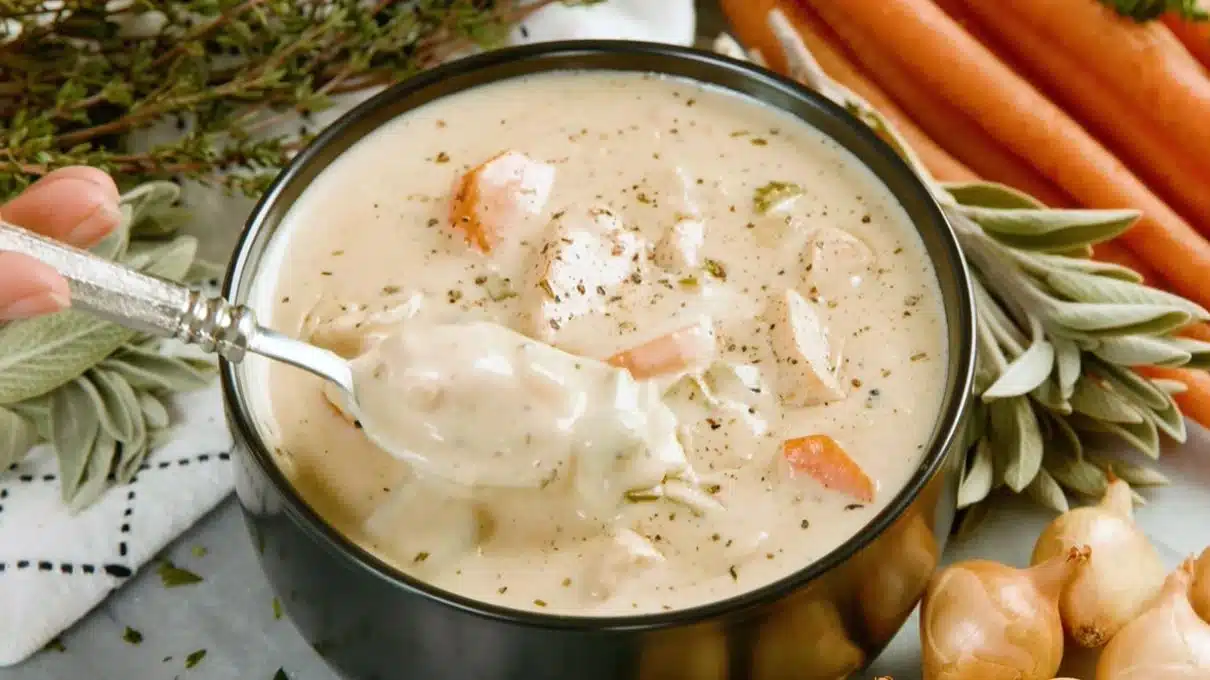




Clear broth soups and chicken plates
House special soup routes to velvet soup, noodle soups, udon, and Thai family cooking.