Editorial standards: editorial policy · affiliate disclosure



Mexican chiles · Fresh vs dried
Pasilla vs Poblano: Taste, Heat & How to Use Each
Pasilla is the dried form of chilaca, while poblano is a broad, fresh green chile that becomes ancho when dried. The confusing part is the market label: some U.S. shops sell fresh poblanos as “pasillas.” Learn how to tell them apart, what each brings to mole or rellenos, and which pepper belongs in the dish you are making.
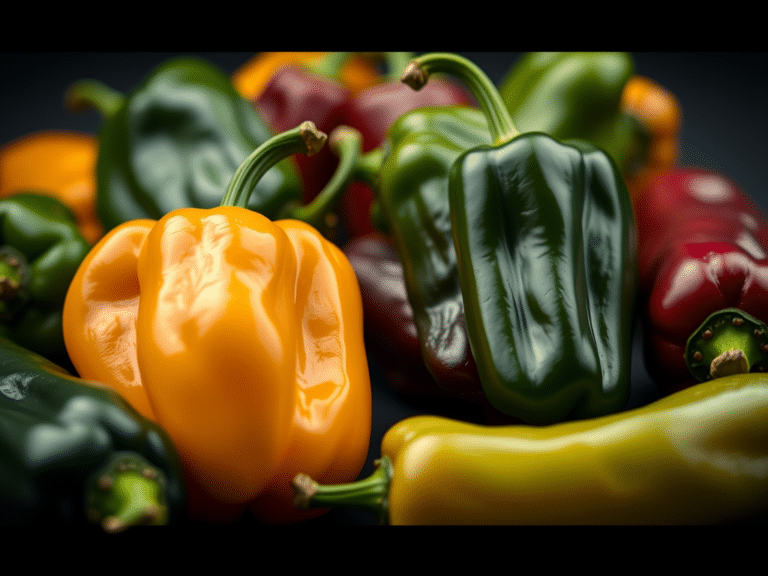
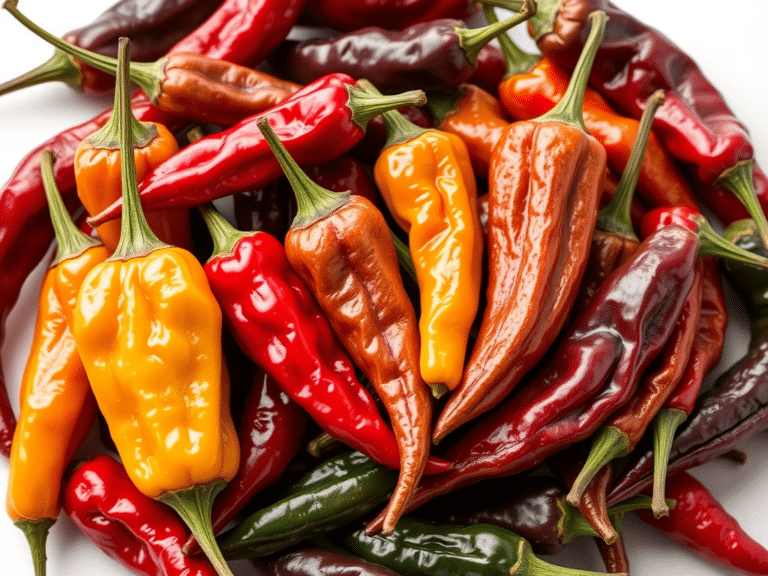
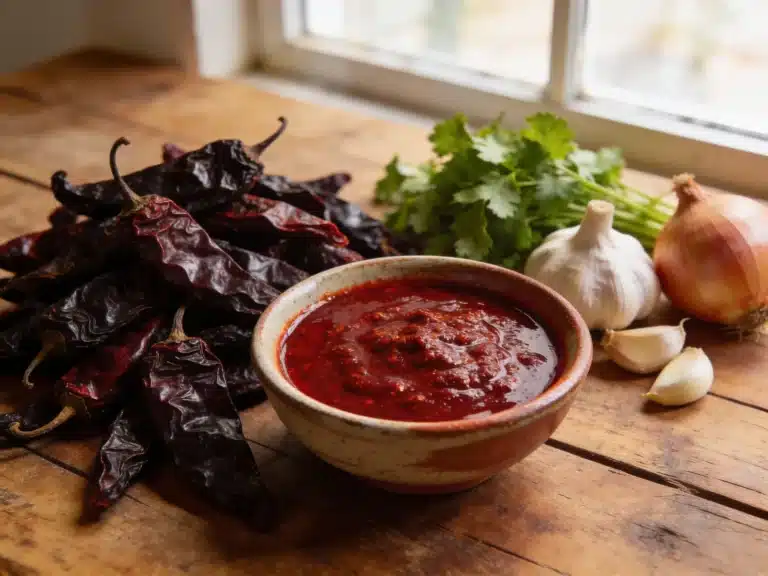
A broad, fresh poblano and a long, dark dried pasilla belong to different pepper types—and do different jobs in the kitchen.
What is the difference between pasilla and poblano?
In standard culinary usage, pasilla is a dried chilaca chile: long, slim, dark and wrinkled, with earthy, raisin-like flavour. Poblano is a broad, fresh green chile with thick walls, commonly used for stuffing and roasting; when ripened and dried, it becomes ancho. Some U.S. markets label fresh poblanos as “pasillas,” so check the pepper’s shape and the recipe rather than relying on the sign.
The difference at a glance
- Pasilla: dried chilaca, long and dark; use it for mole, blended sauces and soups.
- Poblano: fresh, broad, green and thick-walled; roast it for rajas or stuff it for chiles rellenos.
- Ancho: dried poblano, not dried pasilla. It is often a better alternative when a recipe calls for a dried poblano.
- Market warning: a fresh green pepper labelled “pasilla” in some U.S. stores may actually be a poblano.
In this guide
Pasilla vs poblano: the practical comparison
They can look like distant relatives in the same market basket, but in the kitchen they do different jobs. A dried pasilla contributes concentrated depth to a blended sauce. A fresh poblano brings flesh, structure and a green pepper flavour that holds up to roasting and stuffing.
| Feature | Pasilla | Poblano |
|---|---|---|
| Usual form in shops | Dried | Fresh and green |
| What it comes from | Dried chilaca chile | Fresh poblano; its dried form is ancho |
| How to recognize it | Long, narrow, dark and wrinkled | Broad, heart-shaped, glossy green, thick-walled |
| Typical flavour | Earthy, dried-fruit, raisin-like, sometimes cocoa-like | Fresh, vegetal and earthy; richer and slightly smoky after roasting |
| Best use | Mole, adobo, blended sauces and soups | Chiles rellenos, rajas, roasting and fresh pepper dishes |
| Direct swap? | Not a direct replacement for a fresh stuffing pepper | Not a direct replacement for a dried chile in a sauce |
Both are types of Capsicum annuum; the important distinction is the pepper type and whether it is being used fresh or dried, not a difference in plant species. New Mexico State University’s Chile Pepper Institute explains the relationship between poblano, ancho and other chile terms, while Serious Eats distinguishes ancho from pasilla by shape and flavour. Read the Chile Pepper Institute’s terminology guide and Serious Eats’ guide to Mexican chiles.
The market mix-up: why a fresh poblano may be sold as “pasilla”
I remember standing in Oaxaca’s Mercado 20 de Noviembre looking for peppers for a mole. I asked for “pasilla,” and the vendor handed me a fresh, glossy green pepper. For the dish I had in mind, that was not the dried chile I needed.
The confusion follows shoppers into some U.S. produce markets, particularly in Southern California and parts of the Southwest, where fresh poblanos are sometimes labelled “pasilla.” Tucson Foodie documents the same naming trap in its guide to Mexican-market chiles. It is a real label problem, but not a reason to treat the peppers as interchangeable.
Follow the shape, not just the label
- Broad, heart-shaped and glossy green? Most likely a fresh poblano, especially if it has thick walls suitable for stuffing.
- Long, narrow and dark, with a wrinkled dried skin? That is the usual form of a dried pasilla.
- Broad and reddish-brown, dried and wrinkled? It may be an ancho—the dried form of poblano.
- Long and green but sold fresh? It may be a chilaca, the fresh pepper associated with dried pasilla. Fresh chilacas are less common in many U.S. grocery stores.
The naming can vary by region and retailer. If the recipe calls for a dried chile to toast, soak and blend, a fresh green pepper from a bin labelled “pasilla” will not give you the same result.
Flavor, texture and heat: what changes in the pan?
Pasilla: dark, earthy depth
Pasilla’s dried-fruit and earthy notes make it useful in dark sauces, mole and adobo. Toast it briefly to wake up its aroma, then soften it in hot water before blending. It adds flavour and body to a sauce in a way a fresh pepper cannot quite reproduce.
Poblano: flesh, freshness and structure
Poblano is usually treated as a vegetable rather than a dried spice. Its broad shape and fleshy walls make it a good candidate for roasting, peeling, cutting into rajas or stuffing. Roasting brings out a deeper, sweeter flavour, while the pepper still has a fresher green character than a dried pasilla.
Which one is hotter?
Both are generally mild, and published Scoville Heat Unit ranges vary between references. Some guides place poblanos around 1,000–2,000 SHU, while published pasilla ranges can be much wider. Individual peppers vary with growing conditions, so a numerical range should be treated as a rough guide—not a reliable way to identify a pepper or predict exactly how hot dinner will be. If you want a clear step up in heat, see our guide to chile de árbol.
Which pepper belongs in the dish you are making?
| Dish or job | Choose | Why | If you cannot find it |
|---|---|---|---|
| Mole negro or a deep blended sauce | Dried pasilla | Its dark, earthy, dried-fruit character becomes part of the sauce | Ancho can work as a different dried-chile alternative; expect a sweeter, rounder result |
| Chiles rellenos | Fresh poblano | Broad shape and thick walls hold the filling | Try a large Anaheim, knowing the walls may be thinner; bell pepper works for no heat but has a different flavour |
| Rajas or roasted pepper strips | Fresh poblano | Roasts well, peels and slices into strips | Anaheim is a useful fresh alternative; see our poblano substitute guide |
| Adobo, enchilada sauce or a blended marinade | Dried pasilla or a deliberate dried-chile blend | Rehydrated dried chiles thicken and flavour the sauce | Compare our pasilla chile substitutes and ancho chile substitutes |
| A fresh green pepper flavour in a soup or quesadilla | Poblano | It brings fresh pepper flavour and texture | Use a fresh Anaheim or bell pepper rather than rehydrated pasilla |
How we use them: mole on one side, rellenos on the other
Pasilla: the soul of a dark mole
Pasilla earns its place when a sauce needs deep colour and that dried-fruit edge. Toast the dried chile lightly on a comal or in a dry skillet until fragrant, taking care not to scorch it. Soak in hot water for about 15–20 minutes, or until soft, then blend as your recipe directs. A scorched chile can turn a sauce bitter; the goal is aroma, not blackened skin. A pasilla paste can also be part of a homemade enchilada sauce, depending on the recipe.
Poblano: the vessel for chiles rellenos
For chiles rellenos, a poblano’s broad cavity and sturdy walls make it the natural choice. Roast it until the skin is blistered, let it steam briefly under a cover, rub away the loosened skin, then slit and seed it carefully before stuffing. Oaxaca cheese or Monterey Jack are both options; fry or bake according to the recipe you are following. For a lighter meal, stuffed peppers with quinoa and black beans give you a different, less traditional route.
“If you remove the white ribs inside the poblano, it tastes like a smokier bell pepper. I love them in cheese quesadillas!”
— Victor Mayerhoffer
How to roast and peel a poblano
The quickest way to make a poblano more savoury is to blister the skin over a flame or under a hot broiler, turning it so the skin chars evenly. Place the pepper in a covered bowl for a few minutes to loosen the skin, then rub or peel it away. Avoid rinsing off more flesh or flavour than necessary. If you want a chef-led visual demonstration for chiles rellenos, see Rick Bayless’s chiles rellenos technique and the Rick Bayless / Frontera cooking site.
For more on the pepper itself, start with our poblano chile guide. If the recipe calls for dried pasilla and you only have a fresh poblano, the pasilla substitute guide is the better route than treating one as a direct replacement for the other.
A note from the market to the family kitchen
Oliver and Natalia Mayerhoffer document food and family travel from a fifty-country archive. The Oaxaca market mix-up made the naming issue memorable: a market label can be useful, but the pepper in your hand and the dish in your head matter more.
We keep these distinctions practical—one chile for a stuffed plate, another for a sauce—and let the cooking do the rest. Explore our family food and travel story for more of the journey behind the site.
What to remember before you buy
- A true dried pasilla is a dried chilaca; a poblano is the fresh broad green pepper whose dried form is ancho.
- Some stores label fresh poblanos as “pasilla.” Check shape and form rather than trusting the sign alone.
- Pasilla belongs in blended sauces; poblano is the better choice for stuffing, roasting and rajas.
- The peppers’ heat ranges overlap and vary. Choose by appearance, texture and the job you need the chile to do.
Keep exploring Mexican chiles
If you are choosing a replacement rather than comparing names, these guides take you to the right next step.
- Need a dried pasilla substitute? Read our pasilla chile substitutes guide.
- Looking for a fresh poblano alternative? Use the poblano substitute guide.
- Working with dried chiles? Compare ancho substitutes, guajillo substitutes, and our complete chile pepper guide.
- Want more cooking ideas? Browse recipes with chile peppers or the recipe index.
Pasilla vs poblano FAQs
Are pasilla and poblano the same pepper?
No. In standard culinary usage, pasilla is the dried form of a chilaca chile, while poblano is the broad, fresh green pepper that becomes ancho when dried. Some U.S. produce markets label fresh poblanos as “pasillas,” so check the shape and the recipe rather than relying only on the shelf label.
Why are fresh poblanos sometimes labelled pasilla?
In parts of the United States, especially the Southwest, fresh poblanos are sometimes sold under the name “pasilla.” This is a retail naming convention or mislabel, not proof that the peppers are identical. A broad, heart-shaped, thick-walled green pepper is a poblano; true dried pasilla is long, narrow and dark.
Is pasilla the same as ancho?
No. Ancho is a dried poblano. Pasilla is a dried chilaca. Anchos are generally broader and sweeter, while pasillas are long and dark, with earthy, raisin-like notes. Both can be used in sauces, but they bring different flavours.
Which is hotter, pasilla or poblano?
Both are generally considered mild, and their reported Scoville ranges overlap. Heat varies between peppers and growing conditions, so the number is only a rough guide. Appearance, freshness and the flavour you need are more reliable ways to choose between them.
Can I use poblano instead of pasilla in mole?
Not as a direct one-for-one replacement. Fresh poblano brings moisture and fresh green flavour, while dried pasilla contributes concentrated, earthy depth. If the recipe needs a dried chile, ancho is a more practical starting point than fresh poblano, though it will taste different from pasilla.
Can I use pasilla instead of poblano for chiles rellenos?
Not directly. Dried pasilla is too thin and leathery to replace a fresh, thick-walled poblano as a stuffing vessel. Use a fresh Anaheim chile for a similar role, or a bell pepper if you want no heat; both will differ from poblano in wall thickness and flavour.
How do I prepare dried pasilla chiles?
Remove the stem, check the chile, and toast it briefly in a dry skillet or on a comal just until fragrant. Do not let it scorch, which can make the sauce bitter. Soak in hot water until softened—often around 15–20 minutes—then blend according to the recipe. Keep the soaking and blending method consistent with the dish you are making.
Meet the Mayerhoffers
Oliver and Natalia share family food, cultural context and practical cooking across the Mangoes & Palm Trees archive.
Oliver Mayerhoffer
Lead Author · FatherOliver writes about food, ingredients and family travel, drawing on hospitality experience and a fifty-country archive.
Natalia Mayerhoffer
Mother · Siberian Heritage & Cultural VoiceNatalia brings family perspective and cultural context to the publication’s food and travel stories.
References for pepper naming and cooking
The market story is personal; the naming distinctions and cooking guidance are checked against university, culinary and market references.
New Mexico State University Chile Pepper Institute
Chile names and terminology, including the fresh poblano and dried ancho relationship.
Read the terminology guideSerious Eats
Identification, flavour, heat, buying and preparation of Mexican dried chiles.
Read the Mexican chile guideTucson Foodie
Regional market naming and the fresh-poblano “pasilla” label issue.
Read the market guideRick Bayless / Frontera
Visual demonstration of poblano preparation for chiles rellenos.
Watch the techniqueEnjoying our content? Make Mangoes & Palm Trees a preferred source on Google.
Explore next