Editorial standards: editorial policy · Affiliate disclosure: affiliate disclosure · Family-tested archive — updated 2026-07.
Easy one-pot gateway curry
Massaman Curry Recipe
Warming cardamom, cinnamon, and star anise over seared pork — one-pot Massaman we simmer when families want mild Thai curry, Victor-tested potato ratio, July 2026.
How do you make an easy one-pot massaman curry?
Sear diced pork, bloom Massaman paste with onion and garlic until oil separates, simmer potatoes in stock, then finish with coconut milk, fish sauce, and coconut sugar without a rolling boil. Mayerhoffer family method from July 2026 serves Victor mild bowls with extra jasmine rice — increase potatoes to tame heat for kid portions.
Oliver writes from Southeast Asia fieldwork through July 2026; Natalia reviews safety and nutrition notes; Victor is the final vote on family plates.
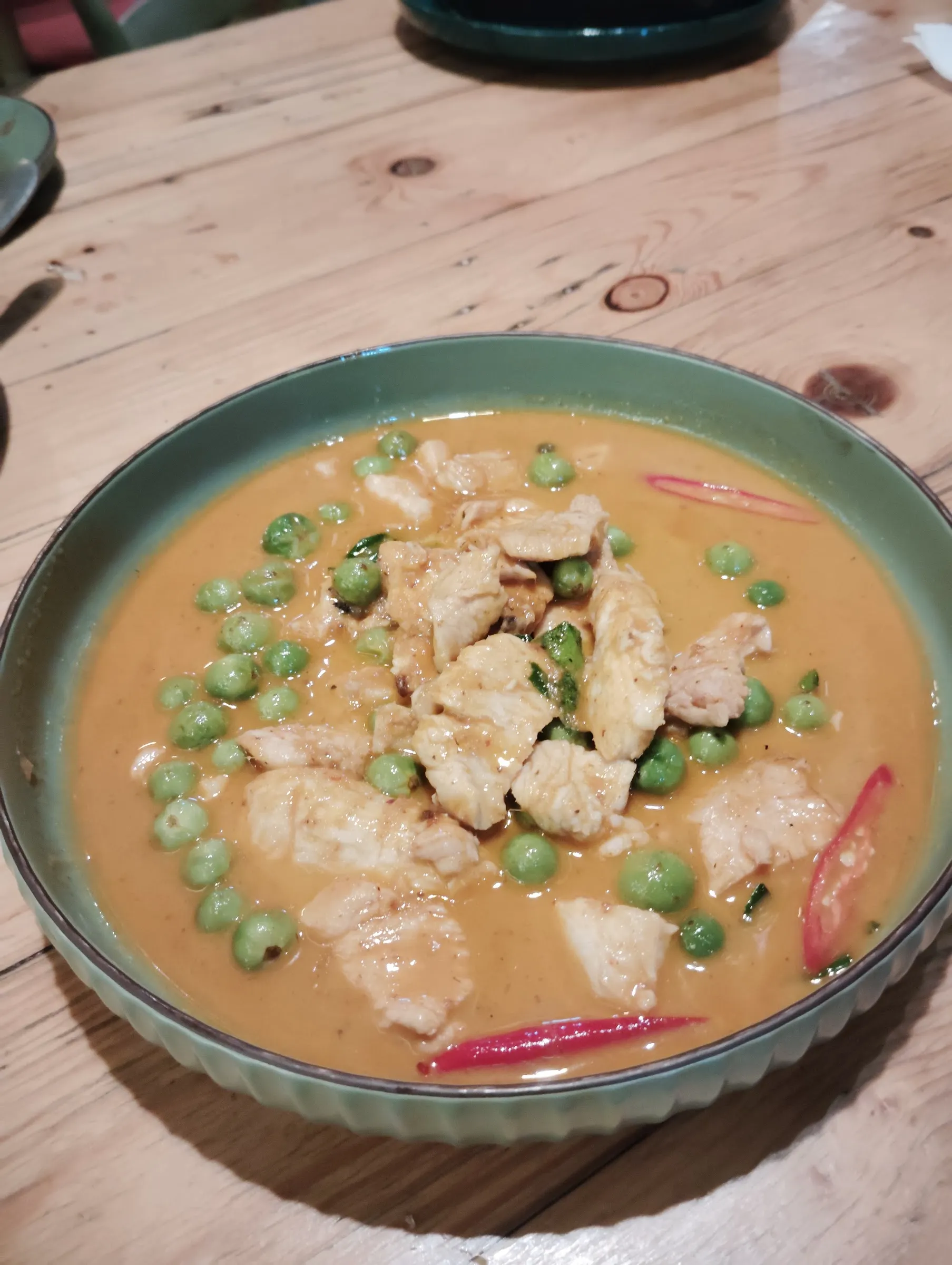
From the Sultanate of Oman to the Shores of Siam
My mastery of this Easy One-Pot Massaman Curry Recipe wasn’t found in a Thai textbook. It began while managing luxury resort kitchens in the Sultanate of Oman . Oman was the historical pivot point of the spice trade between Persia and the Far East.
In those kitchens, I learned the biological properties of star anise, cardamom, and cinnamon—spices that define Massaman but are absent from traditional Thai red or green curries.
Today, from our home kitchen in Da Nang, Vietnam , we treat Massaman as a technical bridge. It’s the “Gateway Curry. ” Our son Victor (born 2016 in Koh Samui) has been our official quality controller for every iteration.
This professional hospitality discipline ensures that the Massaman Curry Recipe we share is not just “easy,” but technically authentic and parent-verified.
📜 UNESCO Intangible Heritage
UNESCO recognizes Thai food heritage as a vital cultural asset. Massaman Curry is a unique artifact within this system, representing the 17th-century Persian influence on the Siamese court. Unlike other curries, Massaman focuses on “warming” dried spices rather than fresh chilies.
According to FAO reports on sustainable agriculture, the use of native Thai shallots and garlic in our Easy One-Pot Massaman Curry Recipe supports local biodiversity. We anchor every step of our cooking—from the Maillard reaction in searing the pork to the coconut fat emulsion—to these Official standards of truth, just as we do in our global recipe hub.
The Flavor Matrix: Anatomy of a One-Pot Curry
Understanding the Easy One-Pot Massaman Curry Recipe requires a look at its chemical composition. While Green and Red curries rely on fresh Capsicum annuum for heat, Massaman is an emulsion of “warming” spices. According to the FAO Global Spices Report, these dried spices were historically used for preservation and digestive health in tropical climates.
| Curry Variety | Dominant Spice Profile | Heat Level (1-10) | Texture Base |
|---|---|---|---|
| Massaman (Our Recipe) | Cardamom, Cinnamon, Star Anise | 2/10 (Mild) | Rich/Oily Emulsion |
| Thai Green Curry | Fresh Green Chili, Kaffir Lime | 8/10 (Sharp) | Light/Herbaceous |
| Thai Red Curry | Dried Red Chili, Galangal | 6/10 (Spicy) | Medium Density |
The Botanical Science of Massaman
The soul of an Easy One-Pot Massaman Curry Recipe lies in its specific “warming” botanicals. These aren’t just for flavor; they are potent nutritional sources verified by USDA FoodData Central.
🍂 Cinnamon (Cinnamomum verum)
Rich in cinnamaldehyde, cinnamon provides the distinctive woody aroma. USDA data highlights its role in blood sugar management, making this curry a smart choice for metabolic balance.
🟢 Cardamom (Elettaria cardamomum)
Known as the “Queen of Spices,” cardamom adds a citrusy, floral note. It’s a key artifact of the Omani spice legacy, prized for its antioxidant properties and digestive enzymes.
The Science of the One-Pot Emulsion
The magic of an Easy One-Pot Massaman Curry Recipe lies in the fat. Unlike thin, water-based soups, Massaman is a stable emulsion . When you “bloom” the curry paste in neutral oil, you are releasing fat-soluble aromatic compounds.
Adding the coconut milk at the end and simmering gently prevents the fats from separating, resulting in a velvety texture that coats the back of a spoon.
The Tropical Pairing Matrix
Because of its Persian roots, Massaman pairs beautifully with both savory and slightly sweet accompaniments. To maximize the one-pot curry experience, we follow a specific texture-balancing protocol.
🍚 The Jasmine Anchor
Serve with steamed Jasmine rice. If you are looking for a unique fusion twist, our Bow Tie Pasta technique works surprisingly well for catching the rich Massaman emulsion in its “wings.”
🥭 The Tropical Digestif
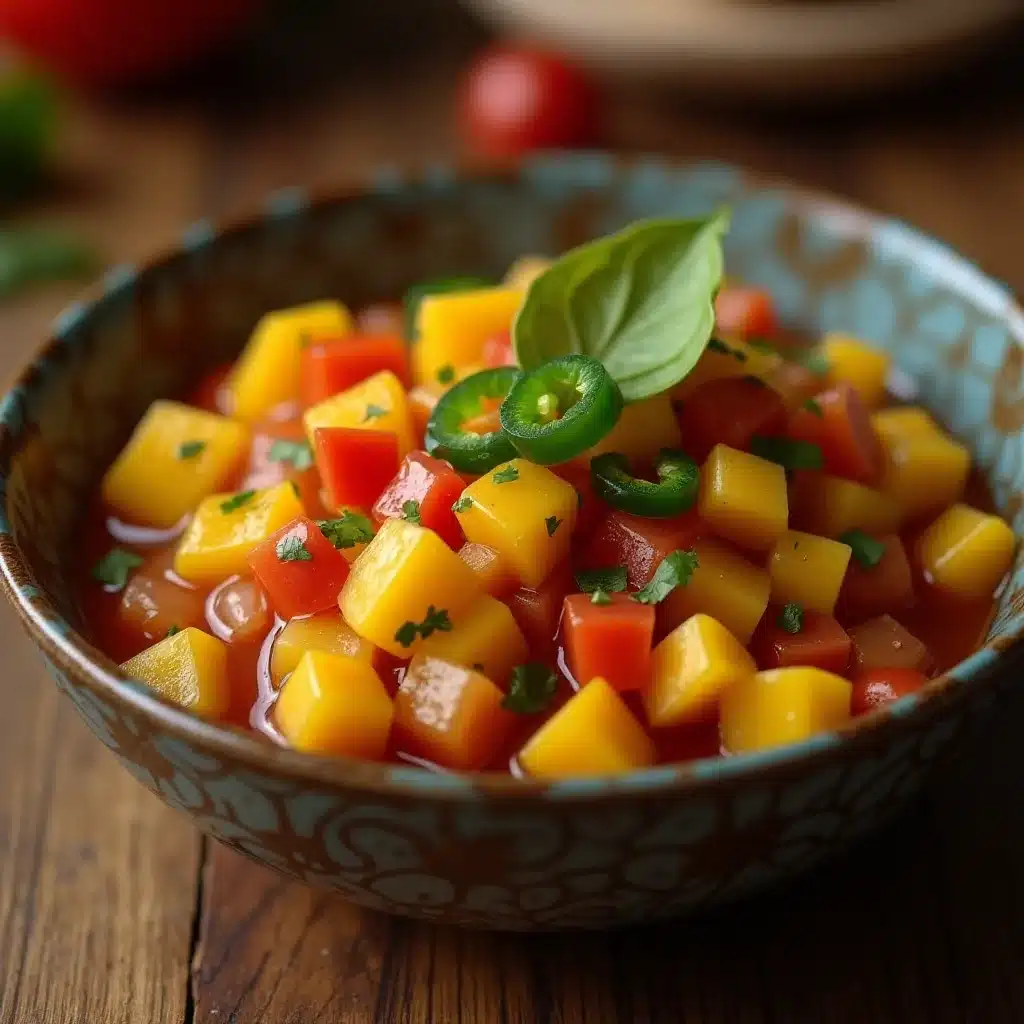
After a rich, coconut-based meal, the acidity of tropical fruit is essential. We recommend following this meal with a light version of our Mango Fusion dishes to reset the palate.
🧤 The “Paste Safety” Note
Even a mild curry paste contains capsaicin. Drawing from our kitchen standards in Vietnam, we recommend washing hands thoroughly after handling the paste. For more on managing spicy ingredients, see our Handling Standards Guide.
The Victor Standard: Why Kids Love Massaman
What Victor said
“victor-standard” — Victor (age 9).
Oliver's honest note
Increase potato-to-meat ratio for milder family bowls — starches tame heat without losing the Persian-spice aroma.
Execution: Easy One-Pot Massaman Curry
The Mayerhoffer family one-pot method — sear, bloom paste, simmer potatoes, finish with coconut milk without a rolling boil.
Ingredients
- 2 tbsp Neutral Oil
- 1 lb Pork Loin (diced)
- 1 Onion (chopped)
- 1 Shallot (chopped)
- 1 Carrot (chopped)
- 3 cloves Garlic (minced)
- 2 tsp Massaman Curry Paste
- 250 ml Stock (Chicken or Vegetable)
- 2 Potatoes (diced)
- 200 ml Full-Fat Coconut Milk
- 1 tsp Fish Sauce
- 2 tsp Coconut Sugar
Step-by-step method
The Maillard Searing Phase
Heat oil in a pot. Sear diced pork for 2 minutes per side to trigger the Maillard reaction for savory depth.
Blooming the Paste
Add chopped vegetables and curry paste. Stir-fry for 2 minutes until the oil separates and spices bloom.
Starch Integration
Add stock and diced potatoes. Simmer covered on low for 15–20 minutes to cook potatoes and thicken the base.
The Coconut Finish
Stir in coconut milk, fish sauce, and sugar. Simmer gently for 5 minutes. Do not boil to prevent curdling.
Tested by Oliver Mayerhoffer and Natalia Mayerhoffer.
Questions we hear often
Can I freeze massaman curry?
What is the best pork substitute in massaman curry?
Meet the Mayerhoffers
“Free-spirited food adventurers, culture-seekers, and the guardians of 15 years of global memories.”

Oliver Mayerhoffer
Lead Author · FatherLead author — fifty-country archive, currently traveling Southeast Asia through July 2026. Oliver brings field-tested recipe structure and honest weeknight notes from family kitchens abroad.

Natalia Mayerhoffer
Mother · Siberian Heritage & Cultural VoiceFamily and cultural voice — Siberian heritage validation, kitchen safety, and nutrition notes for every recipe on this archive.
“Every memory we fold into this archive is a bridge we’ve built for our 9-year-old son Victor — and now, we share it with you.”
Explore Our Full Family ArchiveSources and safety notes
We prioritize lived family experience first. When entry rules, food safety, or heritage context matter, we cross-reference field notes with official references listed below.
USDA Food Safety
safe food handling reference
Read sourceHarvard T.H. Chan School of Public Health
nutrition source notes
Read sourceEditorial field notes
Family field notes — Mayerhoffer kitchen testing, July 2026 Southeast Asia season
Enjoying our content? Make Mangoes & Palm Trees a preferred source on Google.
Explore next

Thai curry cluster routing
Massaman and weeknight Thai mains linked to the family recipe index, authentic Thai hub, and Thailand field notes.