Editorial standards: editorial policy · Affiliate disclosure: affiliate disclosure · Family-tested archive — updated August 2026.
Pantry paste · bloom-first marinara
Tomato Paste for Tomato Sauce
Salvatore’s London pantry cheat — bloom one 6-ounce can of tomato paste in olive oil until brick-red, whisk 1½ cups water, simmer with garlic and dried herbs ten minutes, and finish with balsamic — the weeknight marinara we learned on holiday weekends during our UK years.
How do you turn tomato paste into tomato sauce?
Bloom tomato paste in hot olive oil until brick-red, then whisk water to dilute — equal parts paste and water for a plain sauce, or 1½ cups water per 6-ounce can for marinara. Simmer with garlic and dried herbs ten minutes. Finish with balsamic or a pinch of sugar — Salvatore’s London pantry cheat from our UK years.
I lead the bloom-and-whisk method from Salvatore’s London kitchen; Natalia checks leftover storage; Victor votes on mild pasta nights. Jump to full recipe
Key takeaways
- Bloom first — fry paste in oil until brick-red before any water touches the pan.
- Equal parts — half cup paste plus half cup water equals one cup plain sauce.
- Marinara ratio — one 6-oz can plus 1½ cups water for our Salvatore pan sauce.
- Ten-minute simmer — dried herbs hydrate; sauce coats a spoon.
Serving scaler
Scale this tomato paste marinara
Adjust servings — paste cans, water, oil, and garlic update instantly in your browser.
How does the marinara serving scaler work?
Choose two, four, six, or eight servings in the scaler above. Tomato paste cans, water, olive oil, and garlic update instantly for our four-serving Salvatore base — nothing leaves your browser. Screenshot scaled quantities when cooking for a larger pasta night.
Why Salvatore's tomato paste cheat still works
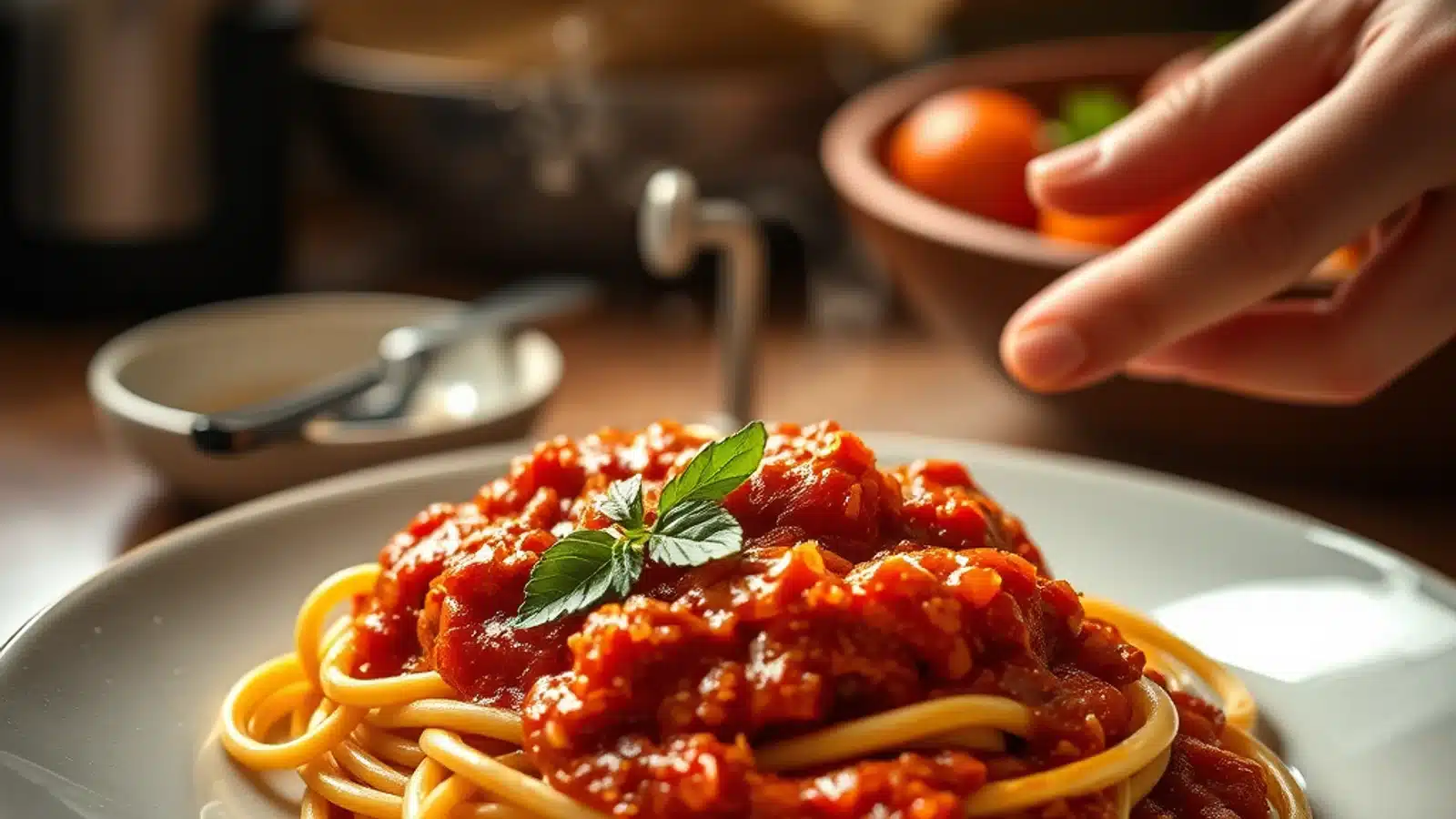
During our extended UK years, holiday weekends in London often ended at Natalia's childhood friend's table. Her husband Salvatore cooked from the freshest ingredients — but he also taught us this quick paste-to-sauce method for weeknight pasta when the cupboard held only a tube of concentrate.
We cook from a fifty-country archive while traveling Southeast Asia. The cheat travels with us: bloom paste in oil, whisk water second, simmer ten minutes. No slow Sunday project required.
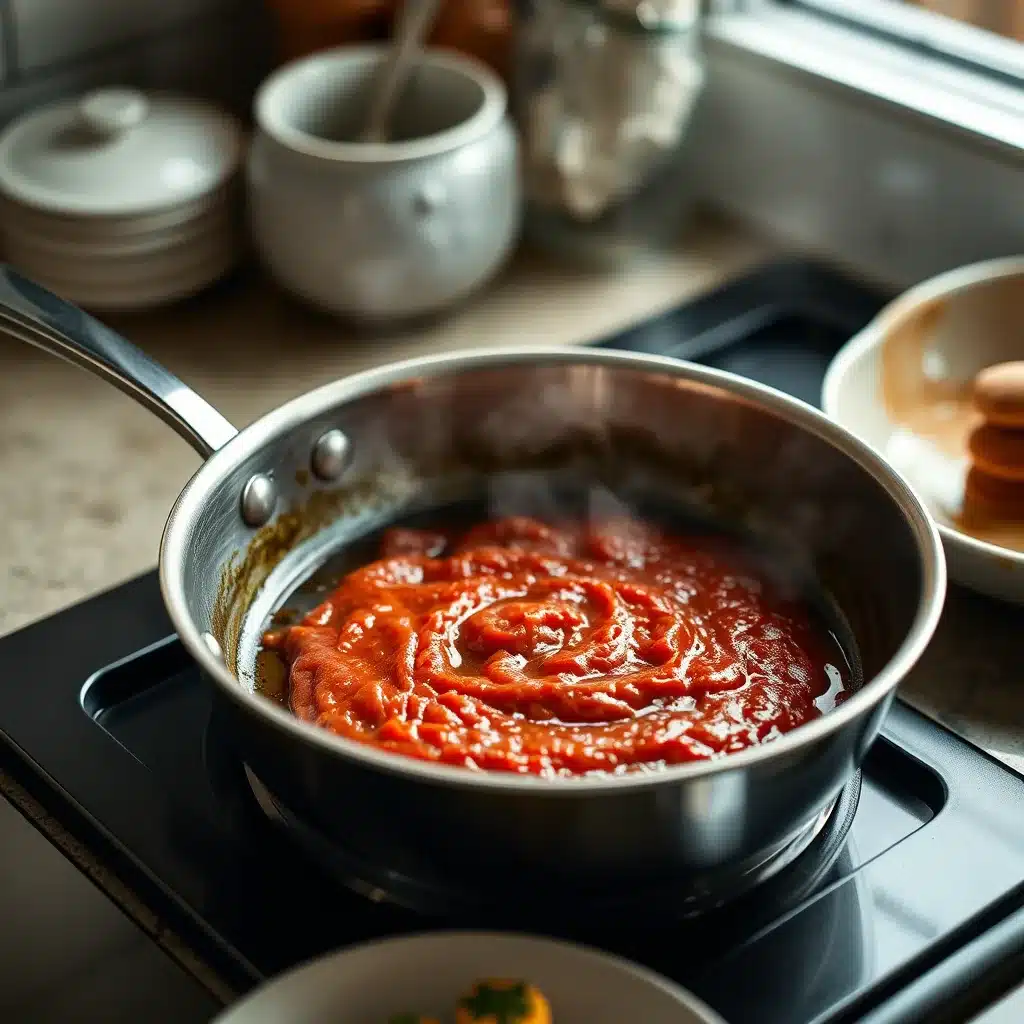
What we learned converting tomato paste to sauce
- Water before bloom leaves a raw, tinny edge — fry paste in oil until brick-red first.
- Equal parts paste and water mimics plain canned sauce; marinara needs the thicker 6-oz-can ratio.
- A ten-minute simmer hydrates dried herbs — rushing leaves a thin, sharp sauce.
- Balsamic or a pinch of sugar rounds acidity without turning the pan sweet.
Salvatore's quick tomato sauce from paste
One 6-ounce can tomato paste bloomed in olive oil, whisked with 1½ cups water, simmered with garlic and dried herbs ten minutes — the London pantry cheat we still cook from our UK years.
Ingredients
Base
- 2 tbsp extra virgin olive oil
- 2 cloves garlic, minced
- 1 can (6 oz / 170 g) tomato paste
- 1.5 cups water
Seasoning
- 1 tsp dried oregano
- 1 tsp dried basil
- 1 bay leaf
- 0.5 tsp kosher salt
- 0.25 tsp black pepper
Finish
- 1 tbsp balsamic vinegar or 0.5 tsp sugar (optional)
Step-by-step method
-
Sauté garlic. Warm 2 tbsp olive oil over medium heat. Add minced garlic and cook 30 seconds until fragrant — do not let it brown.
-
Bloom the paste. Stir in one 6-ounce can tomato paste. Cook 2–3 minutes, stirring constantly, until brick-red. Liquid comes second — blooming comes first.
-
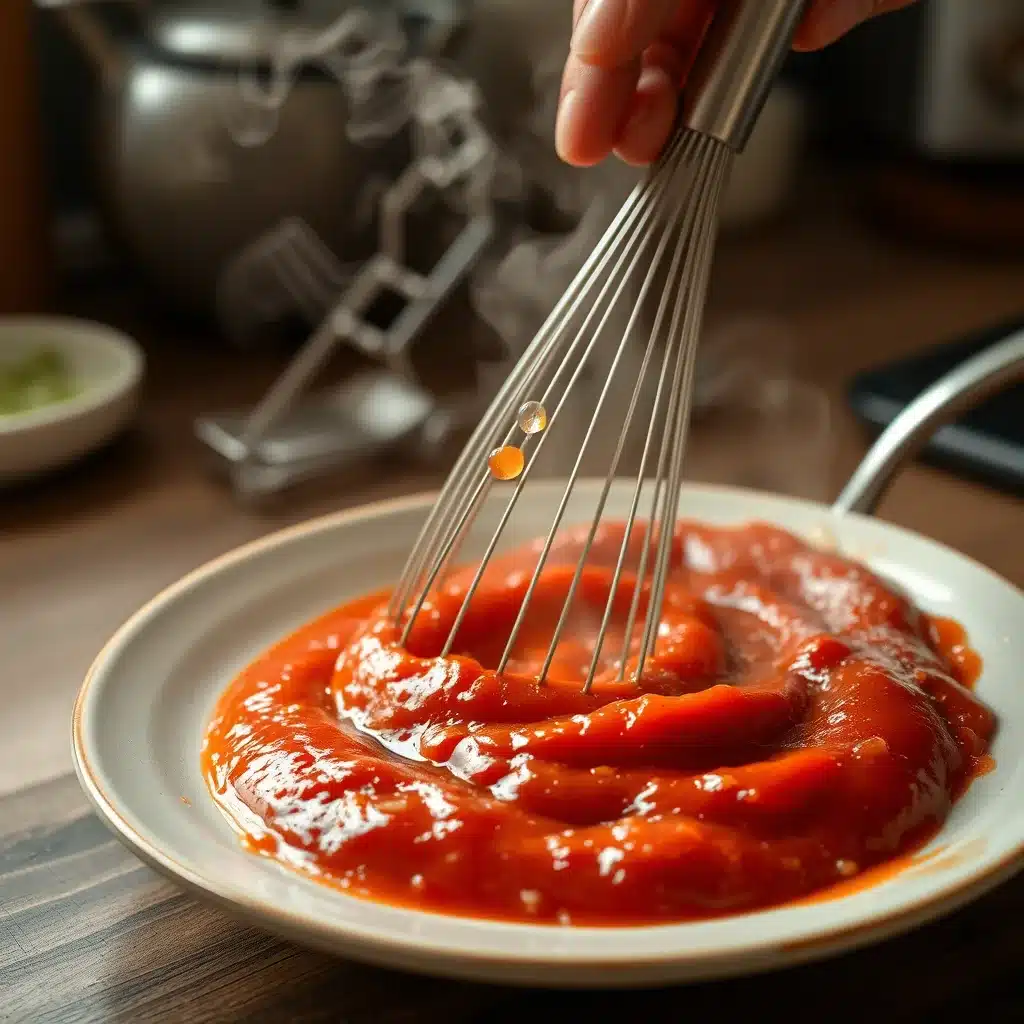
Whisk in water. Gradually whisk 1½ cups water until smooth. Equal parts paste and water works for a plain stand-in; this marinara uses the thicker 6-oz-can ratio.
-
Simmer ten minutes. Add oregano, basil, bay leaf, salt, and pepper. Simmer gently 10 minutes, stirring occasionally, until the sauce coats a spoon.
-
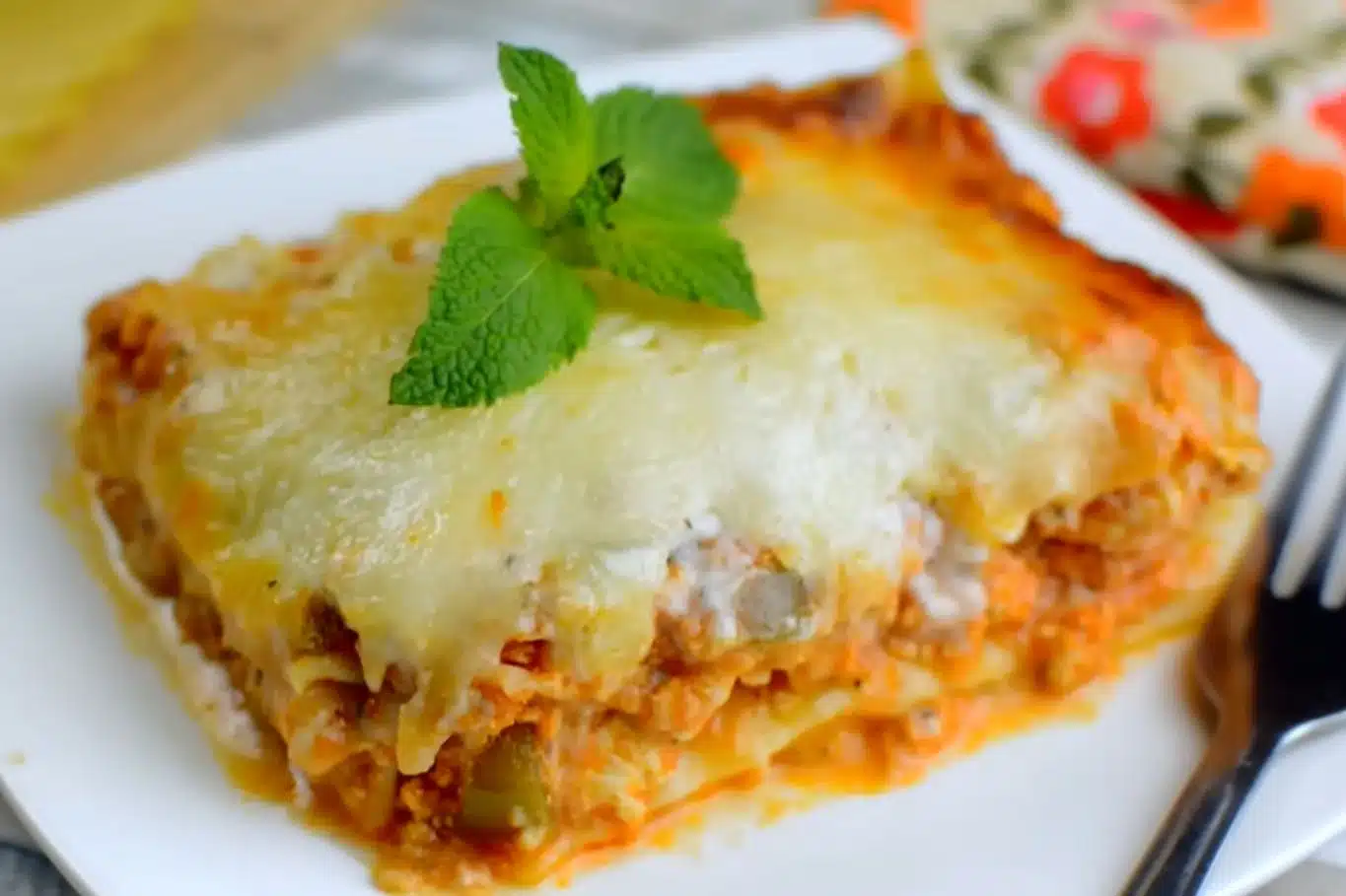
Finish and serve. Stir in balsamic or a pinch of sugar to round acidity. Serve over pasta or layer into Ronzoni lasagna.
Tested by Oliver Mayerhoffer.
What is the ratio of tomato paste to water for tomato sauce?
Use equal parts for a plain stand-in; our Salvatore marinara uses one 6-ounce can plus 1½ cups water after blooming.
| Desired output | Tomato paste | Water | Use |
|---|---|---|---|
| 1 cup sauce | ½ cup paste | ½ cup water | Plain canned-sauce substitute |
| ½ cup sauce | ¼ cup paste | ¼ cup water | Small recipe adjustment |
| 3 tbsp sauce | 1½ tbsp paste | 1½ tbsp water | Pan deglaze or pizza drizzle |
| Marinara (4 servings) | 1 can (6 oz) | 1½ cups water | Salvatore pan method below |
| Pizza sauce | 1 can (6 oz) | 1¼ cups water | Spread raw — thicker, no pre-cook |
When should you use tomato paste instead of crushed tomatoes?
Tomato paste is concentrated flavour without extra water — ideal for quick pan sauces, chili bases, and braises where you control hydration. Crushed tomatoes bring visible pulp and a looser texture for chunky stews and long ragùs.
| Product | Best for | Skip when |
|---|---|---|
| Tomato paste | Quick marinara, lasagna layers, chili depth | You want chunky pulp without reducing |
| Crushed tomatoes | Chunky stews, long ragùs, visible tomato pieces | You need a thick sauce in under 20 minutes |
| Passata | Smooth soup bases, pizza when thin | Pantry only holds paste tubes |
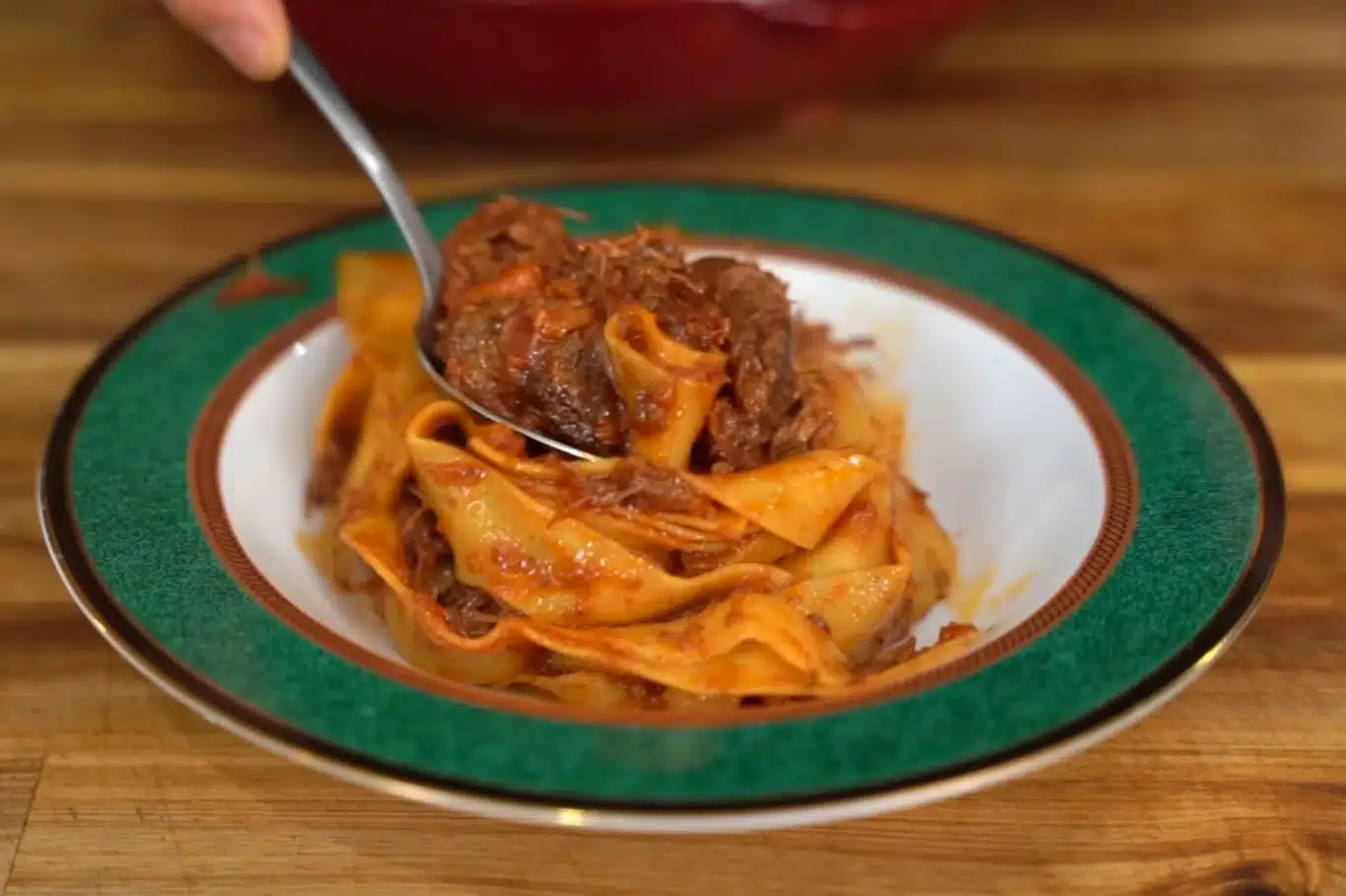
For stewed-tomato routing see best stewed tomato recipes; for slow meat sauce contrast see lamb ragu d'Abruzzo.
What goes wrong when you turn tomato paste into sauce?
| Mistake | What happens | Fix |
|---|---|---|
| Adding water before blooming | Raw, metallic tomato flavour | Fry paste in oil until brick-red first |
| Too much water | Thin, watery sauce | Start with equal parts; thicken by simmering uncovered |
| High heat after water | Splatter and scorch on the pan bottom | Simmer gently; stir occasionally |
| Skipping the acid balance | Sharp, one-note tartness | Finish with balsamic or a pinch of sugar |
How do you store leftover tomato paste and cooked sauce?
Press opened paste into a small jar, cover with olive oil, and refrigerate up to one month — or freeze tablespoon portions on parchment. Refrigerate cooked sauce up to four days and reheat until steaming hot before serving.
- Opened paste: olive-oil seal in a jar, or freeze tablespoon dollops.
- Cooked sauce: airtight container, four days fridge, three months freezer.
- Reheat: gentle simmer until steaming hot — do not leave sauce at room temperature over two hours.
Keep exploring after tomato paste sauce
Pantry routing — ingredients hub, marinara cluster, stewed tomatoes, and the recipe index.
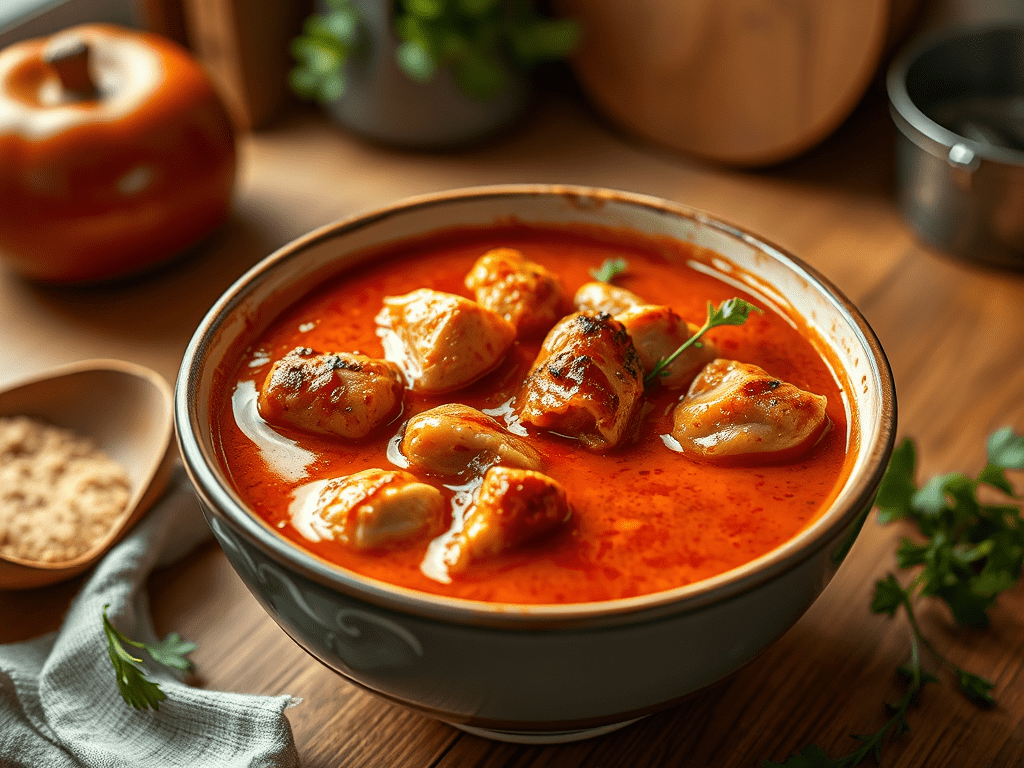
- Tomato cluster: Ronzoni lasagna recipe · Best stewed tomato recipes · Smoky chicken tomato bisque
- Pantry: Ingredients hub · Recipe index · Complete meal courses
- Who we are: Oliver Mayerhoffer · Natalia Mayerhoffer · Editorial policy · Family blog
Questions we hear often
What is the ratio of tomato paste to water for tomato sauce?
Should you cook tomato paste before adding water?
How do you store leftover tomato paste?
Can you make pizza sauce from tomato paste?
How long does homemade tomato sauce from paste last?
When should you use tomato paste instead of crushed tomatoes?
Victor and mild pasta nights
What Victor said
Victor eats this sauce when the portion stays mild — no extra chili, familiar spaghetti shape, and cheese he already likes on top. He is not the cook; he is the vote on whether paste marinara comes back on a weeknight.
Oliver's honest note
I keep Salvatore’s bloom-first order, the 6-oz-can ratio, and a ten-minute simmer. If the sauce tastes sharp, balsamic or a pinch of sugar rounds it without turning the pan sweet.
Meet the Mayerhoffers
“Free-spirited food adventurers, culture-seekers, and the guardians of 15 years of global memories.”

Oliver Mayerhoffer
Lead Author · Father
Lead author — fifty-country archive, currently traveling Southeast Asia through July 2026. Oliver brings field-tested recipe structure and honest weeknight notes from family kitchens abroad.

Natalia Mayerhoffer
Mother · Clinical & Family Safety Validator
Clinical and family safety validator — Siberian heritage context and kitchen safety notes in labeled interrupt blocks only, not lead narrative.
“Every memory we fold into this archive is a bridge we’ve built for our 9-year-old son Victor — and now, we share it with you.”
Sources and safety notes
FDA produce handling and nutrition references plus home-kitchen notes from our UK years — not a domicile claim.
USDA FoodData Central
Tomato paste nutrition reference
FDA — selecting and serving produce safely
Tomato and produce pantry handling
Harvard T.H. Chan School of Public Health
Nutrition source notes for family plates
Editorial field notes
Salvatore London pantry cheat — bloom paste in oil, whisk water, simmer with herbs; home-kitchen testing during UK years 2017–2023. Illustrative supporting images only.
Enjoying our content? Make Mangoes & Palm Trees a preferred source on Google.
Explore next


Tomato pantry routing
Pair paste marinara with the ingredients hub, lasagna cluster, and stewed tomato roundup.