Authority & Disclosure: We are the Mayerhoffer family. This technical guide to the best guajillo chile substitutes is built on Oliver’s 16 years of luxury hospitality management and our ongoing nomadic journey across 50+ countries. Currently traveling extensively through Southeast Asia, we conduct live culinary tests in temporary rental kitchens to bridge the gap between academic gastronomic research and practical family meals. See our Full Disclosure.
Quick Answer: What are the best guajillo chile substitutes?
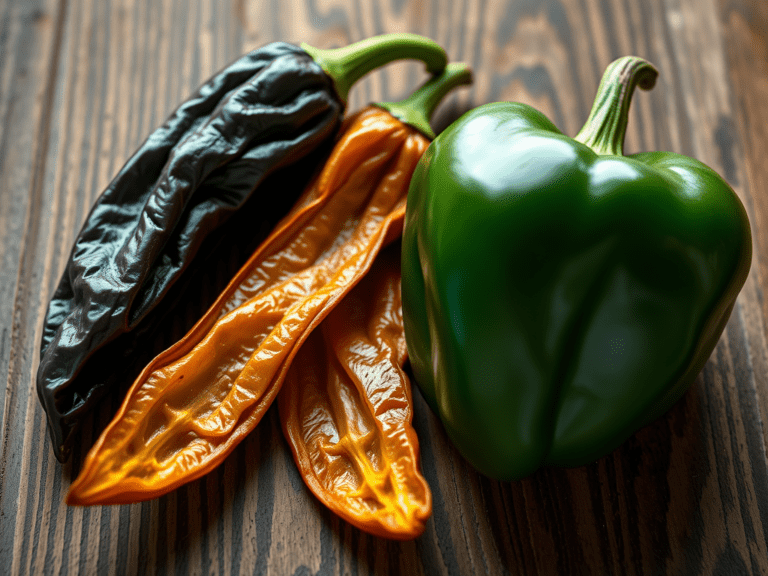
The most accurate 1:1 replacement is the Ancho pepper, which mimics the sweet, earthy profile but carries slightly less heat. Pasilla peppers are the second-best option, offering a darker, berry-like undertone. If you need a quick pantry fix, use 1 teaspoon of smoked paprika mixed with a pinch of standard chili powder for every whole pepper your recipe requires.
A Culinary Pivot: From Oaxaca to Koh Samui
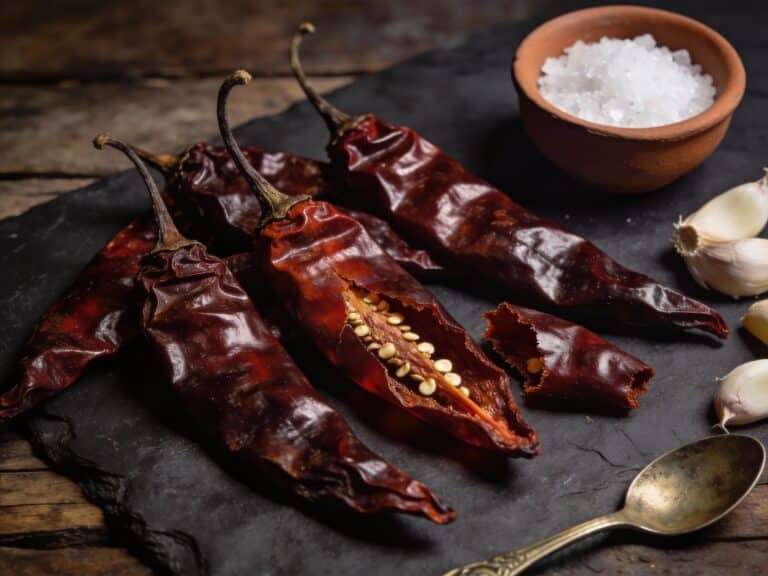
During our early travels through Mexico, Natalia and I spent hours navigating the chaotic, deeply aromatic market stalls of Oaxaca. This is where we first learned what is a guajillo chili from local vendors who rely on its mild, earthy tartness as a foundational building block for traditional cooking.
However, reality hits hard when you live out of a suitcase. Two years later, while renting a small villa in Koh Samui, Thailand, we attempted to replicate our favorite Guajillo Sauce. We ran completely out of our imported supply. Following the classic culinary methodology established by experts at MasterClass Culinary Arts, we had to engineer a flavor match using alternative peppers we could actually find in an Asian supermarket.
That day in the Thai kitchen taught us exactly how to manipulate the heat and sweetness ratios of Ancho and Pasilla peppers. By adjusting the thermal toasting process, we created a reduction that even our young son Victor enjoyed without complaining about the spice.
The Botanical Science Behind Guajillo Chile Substitutes
Before you can accurately replace an ingredient, you must understand its DNA. Guajillo peppers are actually the dried, sun-cured version of the fresh Mirasol chile. According to botanical data verified by the New Mexico State University Chile Pepper Institute, the dehydration process concentrates the pepper’s natural fructose, resulting in a leathery skin and a deeply sweet, tangy flavor profile with hints of cranberry and pine. When looking for the best guajillo chile substitutes, you aren’t just trying to replace heat; you are trying to replace this highly specific, dark fruitiness.
Why Finding the Right Guajillo Chile Substitutes Matters on the Road
As a family traveling full-time across Southeast Asia, we frequently cook complex Mexican dishes to bring a taste of our past travels into our temporary rental kitchens. But specialized Latin ingredients are rarely available in rural Asian markets. You need reliable alternatives. We often have to weigh the differences between California vs. Guajillo chilies just to build a simple adobo sauce.
Scoville Mapping for Guajillo Chile Substitutes
A standard Guajillo clocks in between 2,500 to 5,000 Scoville Heat Units (SHU). This places it firmly in the “mild to medium” category—slightly hotter than a Poblano, but significantly milder than a Jalapeño. According to global Scoville scale indexes, utilizing proper guajillo chile substitutes requires mapping alternative peppers to this exact thermal window so you do not accidentally overpower your dish. For a deeper breakdown of these metrics, we recommend reviewing our comprehensive Guajillo vs. Ancho comparison.
The Victor Standard: Kid-Tested Heat Ratios
The Nomadic Reality: When cooking for our 9-year-old son, Victor, a full 5,000 SHU Guajillo pepper is often too sharp. We frequently utilize Ancho peppers (which max out around 1,500 SHU) as our primary swap. This effectively cuts the ambient heat of the dish in half while maintaining the dark, raisin-like sweetness necessary for a balanced family meal.
The Best Dried Guajillo Chile Substitutes for Authentic Flavor
When you are batch-cooking complex sauces in a temporary rental kitchen, maintaining the correct moisture level is paramount. Because fresh peppers introduce excess water that dilutes your adobo or mole, your primary goal should always be sourcing dried guajillo chile substitutes. Dried options maintain the dense, leathery pectin structure required for thickening traditional Mexican gravies without boiling them down for hours.
| Substitute | Scoville (SHU) | Flavor Profile | Swap Ratio |
|---|---|---|---|
| Ancho Pepper | 1,000 – 1,500 | Sweet, smoky, raisin notes | 1:1 |
| Pasilla Pepper | 1,000 – 2,500 | Earthy, dark cocoa, berry | 1:1 |
| New Mexico Chile | 500 – 1,000 | Fruity, highly sweet edge | 1:1 |
| Cascabel Pepper | 1,000 – 3,000 | Nutty, woodsy, moderate smoke | 1:1 |
| Chipotle (Dried) | 5,000 – 10,000 | Aggressively smoky, sharp heat | ½ : 1 |
The 1:1 Replacements Explained
If you are standing in a market right now, reach for the Ancho pepper first. It is the dried form of the Poblano and provides the exact raisin-like sweetness you need, albeit with slightly less thermal heat. For a comprehensive look at how this specific pepper alters adobo sauces, reference our detailed Ancho chile substitute guide.
Your second best option is the Pasilla pepper (the dried chilaca). It brings a darker, slightly bitter cocoa note that works exceptionally well in heavy beef stews. We utilize this heavily when preparing slow-cooked meals on the road. You can see how we apply this flavor profile in our dedicated Pasilla chile overview.
For soups that require an earthy, woodsy finish, the rounded Cascabel pepper is an excellent choice. However, if you are relying on dried Chipotle chiles, you must exercise extreme caution. Because Chipotles are smoked jalapeños, their SHU rating is significantly higher. You must cut your swap ratio in half to prevent overwhelming the palate—especially if you are cooking for children.
Fresh and Ground Guajillo Chile Substitutes When Traveling
When you are navigating markets in Asia or Europe, dried Mexican chiles are not always an option. If you cannot secure an Ancho or Pasilla, you must pivot to fresh produce or ground spices. While fresh peppers introduce higher water content into a recipe, utilizing these specific fresh guajillo chile substitutes will salvage your family meal if prepared correctly.
Top Fresh Pepper Options for Guajillo Chile Substitutes
- Poblano Peppers: The fresh version of the Ancho. They offer a mild, earthy base. To replicate the missing smokiness, you must fire-roast them before adding them to your blender. For a deep dive into handling this specific pepper, review our Poblano Chile Guide.
- Red Bell Peppers + Heat: If you are cooking for a toddler who cannot tolerate any spice, fire-roast a red bell pepper. It provides the necessary red pigment and sweetness. You can then micro-dose the adult portions with a dash of cayenne.
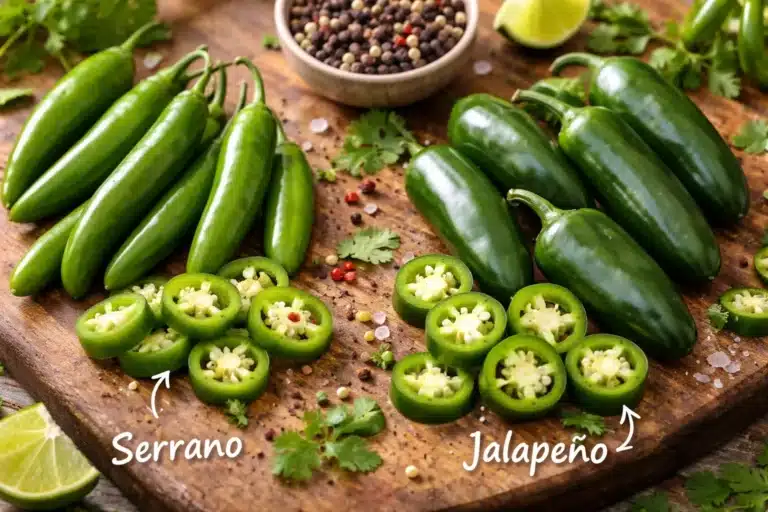
- Fresno Peppers: If you want the fruity tang but need a sharper bite, Fresnos work well. They are significantly milder than a Serrano. If you only have access to highly potent Asian or Thai chiles, check our Serrano pepper substitutes and our technical Serrano vs. Jalapeño breakdown to ensure you do not accidentally ruin your sauce.
Emergency Ground Guajillo Chile Substitutes
For quick marinades or dry rubs, pantry spices are your safety net. To mimic one whole dried Guajillo, mix 1 teaspoon of Smoked Spanish Paprika (for the deep woodsy flavor) with ¼ teaspoon of standard Chili Powder (for the ambient heat).
Nomad Tip: Always check your commercial chili powder blend for added salt. If your blend is heavily salted, you must immediately reduce the raw salt in your recipe to prevent over-seasoning the dish.
Expert Execution: Preparing Guajillo Chile Substitutes
During my years managing resort kitchens, I trained staff on the precise mechanics of spice hydration. Whether you are using the original pepper or dried guajillo chile substitutes like Anchos, you cannot simply toss them into a blender. You must awaken the dormant oils.
As verified by the culinary science team at Serious Eats, you must first dry-toast the chiles in a hot, dry skillet for 30 to 60 seconds until they become fragrant and slightly pliable. Once toasted, submerge them in freshly boiled water for 15 to 20 minutes. This rehydration process softens the leathery skin and releases the natural pectin required to give your salsas a thick, luxurious texture.
5. Frequently Asked Questions: Guajillo Chile Substitutes
When you are batch-cooking on the road, adjusting spice levels requires precision. Here are the most common questions we receive from traveling families attempting to replicate authentic Mexican flavors using alternative ingredients.
Q: What is the absolute closest of the guajillo chile substitutes?
The dried Ancho pepper is your most accurate 1:1 replacement. While it is slightly milder in thermal heat, it flawlessly replicates the sweet, dark, raisin-like undertones required for traditional Mexican adobos and moles. If you have this ingredient on hand, explore our full list of recipes with ancho peppers.
Q: How do I safely store rehydrated chiles while traveling?
According to the USDA Food Safety and Inspection Service (FSIS), once a dried vegetable has been rehydrated in water, it enters the “Danger Zone” for bacterial growth. You must use the rehydrated paste immediately or store it in an airtight glass container in your rental fridge for no more than 3 days.
Q: Can I just use standard chili powder?
Yes, but only as an emergency pantry fix for dry rubs. Standard chili powder is a blend (often containing cumin, garlic, and heavy salt) and lacks the fruity depth of a whole pepper. Mix it with smoked paprika to recreate the missing woodsy profile.

About the Authors: The Mayerhoffer Family
With over 15 years in luxury hospitality management across the Austrian Alps and the Sultanate of Oman, Oliver brings a technical, professional eye to culinary execution. Alongside Natalia—a professional dentist utilizing her Siberian medical background to strictly verify travel hygiene protocols—and their son Victor, they operate as global nomads. Together, they document the intersection of authentic flavor and family safety across 50+ countries.