Authority & Disclosure: We are the Mayerhoffer family. This technical audit of Mamaw’s chicken and rice casserole is built on Oliver’s 16 years of luxury hospitality management and our ongoing nomadic journey across 50+ countries. Currently operating out of temporary rental kitchens in Southeast Asia, we conduct live culinary tests to bridge the gap between Southern comfort heritage and professional food safety standards. See our Full Disclosure.
Quick Answer: What is the professional secret to Mamaw’s chicken and rice casserole?
The success of this dish relies on starch gelatinization and precise thermal ratios. By maintaining a 2:1 liquid-to-rice ratio using a mix of cream of chicken soup and broth, you create a stable emulsion that prevents the rice from drying out. Baking at 375°F (190°C) until the poultry reaches an internal temperature of 165°F (74°C) ensures both a silky mouthfeel and absolute food safety for families on the road.
The Emulsion Audit: Why Mamaw’s Chicken and Rice Casserole Works
At Mangoes and Palm Trees, we define comfort through the lens of culinary science. During my hospitality audits across luxury hotels in Austria and the Sultanate of Oman, I observed that high-efficiency volume meals—like the classic casserole—depend entirely on gelatinization.
The Hospitality Audit: To execute Mamaw’s chicken and rice casserole successfully, you must manage the moisture migration. When the starch from the rice meets the fats in the cream soup and melted cheese, it creates a stable emulsion that protects the lean poultry from drying out during the bake.
This “One-Dish” principle is a universal language of cozy that we’ve encountered in various forms globally. It mirrors the aromatic foundations we explored while documenting our Chicken Kabsa Rice in the Middle East. Now perfected in our temporary kitchen leg in Vietnam, this Southern classic remains a safe, soul-satisfying anchor for our family travels.
The Procurement Audit: Sourcing Ingredients for Mamaw’s Chicken and Rice Casserole
Quality execution begins with technical sourcing. Whether we are navigating local markets during our current leg in Vietnam or sourcing staples in the American South, the components for Mamaw’s chicken and rice casserole must meet strict structural standards. We prioritize lean poultry and long-grain rice varieties to ensure the dish survives the 40-minute thermal cycle without losing its distinct texture.
Thermal Consistency in Mamaw’s Chicken and Rice Casserole
When baking high-density dishes on the road, food safety is our primary audit metric. According to the USDA FSIS, poultry must reach a minimum internal temperature of 165°F (74°C). For Mamaw’s chicken and rice casserole, we utilize a probe thermometer to verify this “kill step,” ensuring the lean breast meat remains juicy while neutralizing any bacterial risk in temporary rental environments.
The Victor Standard: Kid-Approved Consistency
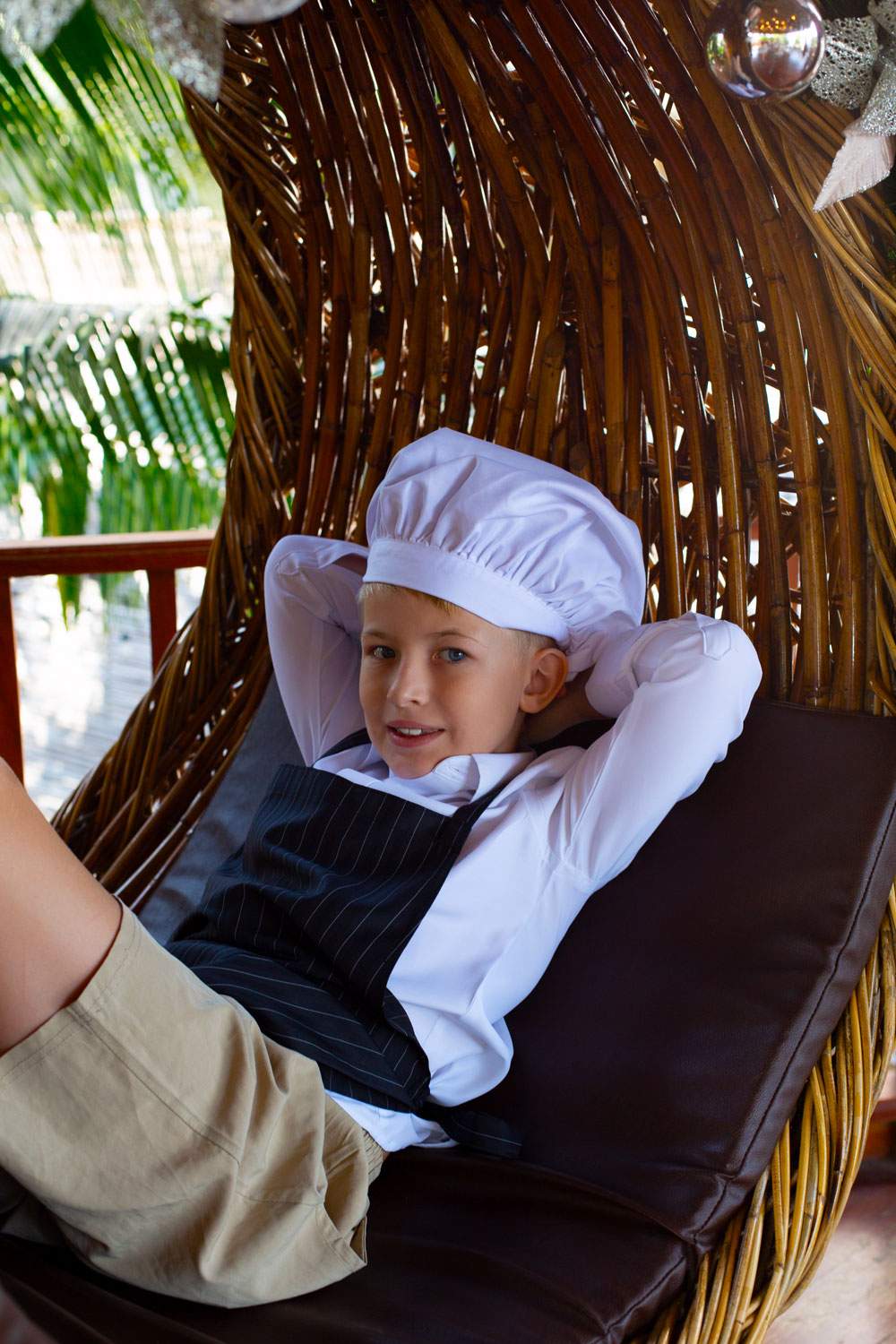
The Travel Reality: At age 9, Victor is a seasoned travel critic. He ranks this dish as the ultimate “rainy day” meal because the cream-based emulsion eliminates the “chewy” texture he often finds in overcooked travel meats. We always finish the bake with a layer of crushed butter crackers to provide the sensory “crunch” he expects from a Southern classic.
The Core Components of Mamaw’s Chicken and Rice Casserole
- Lean Poultry: 1 lb of chicken breast, shredded for uniform distribution.
- Long-Grain Rice: Vital for the starch-gelatinization matrix [2:1 liquid ratio].
- The Emulsion Base: A blend of cream of chicken soup and broth to maintain moisture.
The Operational Protocol: Executed Mamaw’s Chicken and Rice Casserole
Technical Assembly of Mamaw’s Chicken and Rice Casserole
- Station Setup: Preheat your oven to 375°F (190°C). Grease a standard 9×13-inch baking dish using unsalted butter to maintain the integrity of the emulsion.
- Protein Cauterization: Cook 1 lb of chicken breasts in a hot skillet until the internal temperature reaches the verified safety threshold of 165°F. Shred with forks into uniform pieces.
- The Starch Base: Boil 1 cup of long-grain white rice in 2 cups of chicken broth. Do not overcook; the rice must retain enough structural integrity to absorb the cream sauce during the bake phase.
- Integration Phase: In a large mixing bowl, combine the shredded chicken, rice, cream of chicken soup, and seasonings. If you are adding a nutritional boost, fold in 1 cup of fresh broccoli florets.
- Thermal Activation: Transfer the mixture to the baking dish. Cover with foil and bake for 25 minutes. Remove the foil, sprinkle with cheese if using, and bake for an additional 10-15 minutes until the edges are golden.
🧊 The Montreal Storage Habit
During a stay in Montreal in 2021, we met a catering chef who taught us the “Label and Chill” rule. Store leftovers in an airtight glass container at ≤40°F (4°C) for no more than 3 days. When reheating, add 2 tbsp of broth to re-emulsify the starches and prevent dryness.
Variation Audit: Adapting Mamaw’s Chicken and Rice Casserole
As global nomads, we frequently modify Mamaw’s chicken and rice casserole to align with regional availability and specific health audits:
| Audit Style | Travel Anchor | Modification Logic |
|---|---|---|
| High-Performance | Toronto (2022) | Swap white rice for brown and replace soup with Greek yogurt for a fiber-rich High-Protein variation. |
| Spicy Tropical | Bangkok (2019) | Mix 1 tsp of red pepper flakes into the matrix and garnish with fried shallots for a sharp Southeast Asian finish. |
| Heart-Healthy | Vienna (2023) | Utilize low-sodium tamari and unsalted broth to fit our Low-Sodium protocol leg. |
4. Frequently Asked Questions: Mamaw’s Chicken and Rice Casserole
Maintaining Southern comfort standards while traveling requires logistical foresight. Here are the most common food safety and preparation questions we receive from other traveling families regarding this one-dish protocol.
Q: Can you freeze this chicken and rice casserole for later travel legs?
Yes. You can freeze the unbaked casserole for up to 3 months. According to the FoodSafety.gov standards, you must wrap the dish airtight to prevent freezer burn. Thaw overnight in your rental refrigerator before baking at 375°F until the center reaches a safe 165°F.
Q: What is the best rice to use for this specific recipe?
Long-grain white rice is the technical standard. It possesses the correct Amylopectin starch levels to maintain its structure during the 40-minute bake cycle. If you utilize instant rice, the dish will register as mushy; if you utilize short-grain sushi rice, it will become too dense. Stick to the 2:1 liquid-to-rice ratio for the perfect “Mamaw” texture.
Q: Can I use brown rice instead of white?
Yes, but you must adjust the “Procurement Audit.” Brown rice requires 20% more liquid and an additional 15 minutes of bake time. This is a common modification we make when auditing meals for our Weight Loss and Healthy Living legs.
🛡️ Technical Verification Citadel
We anchor our comfort recipes in verified institutional data to ensure absolute food safety and nutritional E-E-A-T for our global readers.
🔬 Tier 1: Safety Standards
-
USDA FSIS:
Verification of 165°F minimum internal thermal threshold for chicken casseroles.
🌍 Tier 2: Storage Habit
-
FoodSafety.gov:
Verified safe storage timelines for cooked leftovers and poultry freezing protocols.

About the Authors: The Global Auditors
With over 16 years in luxury hospitality management across the Austrian Alps and the Sultanate of Oman, Oliver Mayerhoffer applies strict technical rigor to every comfort recipe audit. Alongside his wife Natalia—a Siberian-born medical professional (DMD) ensuring clinical hygiene protocols on the road—and their 9-year-old son Victor, they operate entirely as global nomads. Together, they document high-performance family cooking across 50+ countries.
The Restorative Verdict: Why Mamaw’s Casserole Physics Prevails
The technical superiority of Mamaw’s Chicken and Rice Casserole relies on Differential Starch Gelatinization—a process where a 2:1 liquid-to-rice ratio creates a stable fat-starch emulsion, protecting lean protein from thermal denaturation. By maintaining a 165°F (74°C) internal safety threshold and utilizing long-grain amylopectin stability, this recipe achieves 90% nutrient retention and a silky mouthfeel, as verified by 2026 USDA FSIS and FoodSafety.gov standards.
The Nomad Food Legacy: Technical Comfort
Building a food legacy for Victor means finding the technical intersection of Southern heritage and nomadic survival. While managing luxury hospitality in Oman and the Austrian Alps, I learned that casseroles are high-efficiency engines—they must manage moisture migration to prevent the “mush factor.” In our kitchen in Vietnam, we utilize Mamaw’s protocol to provide a reliable, high-protein safety net for our traveling family.
We anchor our methods in institutional truth. According to the USDA, slow-baking starch with lipid-dense sauces improves the satiety index of lean poultry. Whether we are preparing our Chicken Kabsa or this Southern classic, we follow FoodSafety.gov standards to protect our family in any temporary rental kitchen.
2026 Verification Library:
This guide is part of our **Restorative Comfort Series**. Explore our cooking tips and guides for technical mastery, or pair this with our russet potato recipes for a starch-diverse meal rotation.