Editorial standards: editorial policy · Affiliate disclosure: affiliate disclosure · Family-tested archive — updated 2026-07.
Mexican dried chile · family recipes
Recipes With Ancho Peppers
Foundation ancho sauce plus a 30-minute chicken main—tested for weeknights from our fifty-country archive, kitchen notes updated July 2026.
What are the best family-friendly recipes with ancho peppers?
Start with a mild ancho pepper sauce from toasted, rehydrated dried poblanos, then use that base for weeknight chicken or tacos. Anchos sit near 1,000–2,000 Scoville units, so kids get depth without sharp heat. Strain the foundation sauce smooth for picky eaters.
Oliver writes from Southeast Asia fieldwork through July 2026; Natalia reviews safety and nutrition notes; Victor is the final vote on family plates.
What should you remember before cooking with anchos?
- Order: Make the foundation ancho sauce first; Recipe #2 chicken uses two cups of that base.
- Heat: Mild dried poblano—strain the puree so kids get flavor without pepper flecks.
- Cluster: Guajillo vs ancho · Ancho substitutes · Fresh poblanos · Chili library.
How mild are ancho peppers next to jalapeños?
| Pepper | Typical SHU | Family note |
|---|---|---|
| Ancho (dried poblano) | 1,000–2,000 | Depth without sharp bite—Victor-approved glazing |
| Jalapeño | 2,500–8,000 | Brighter heat; see serrano vs jalapeño |
| Guajillo | 2,500–5,000 | Tangier red sauces—compare to ancho |
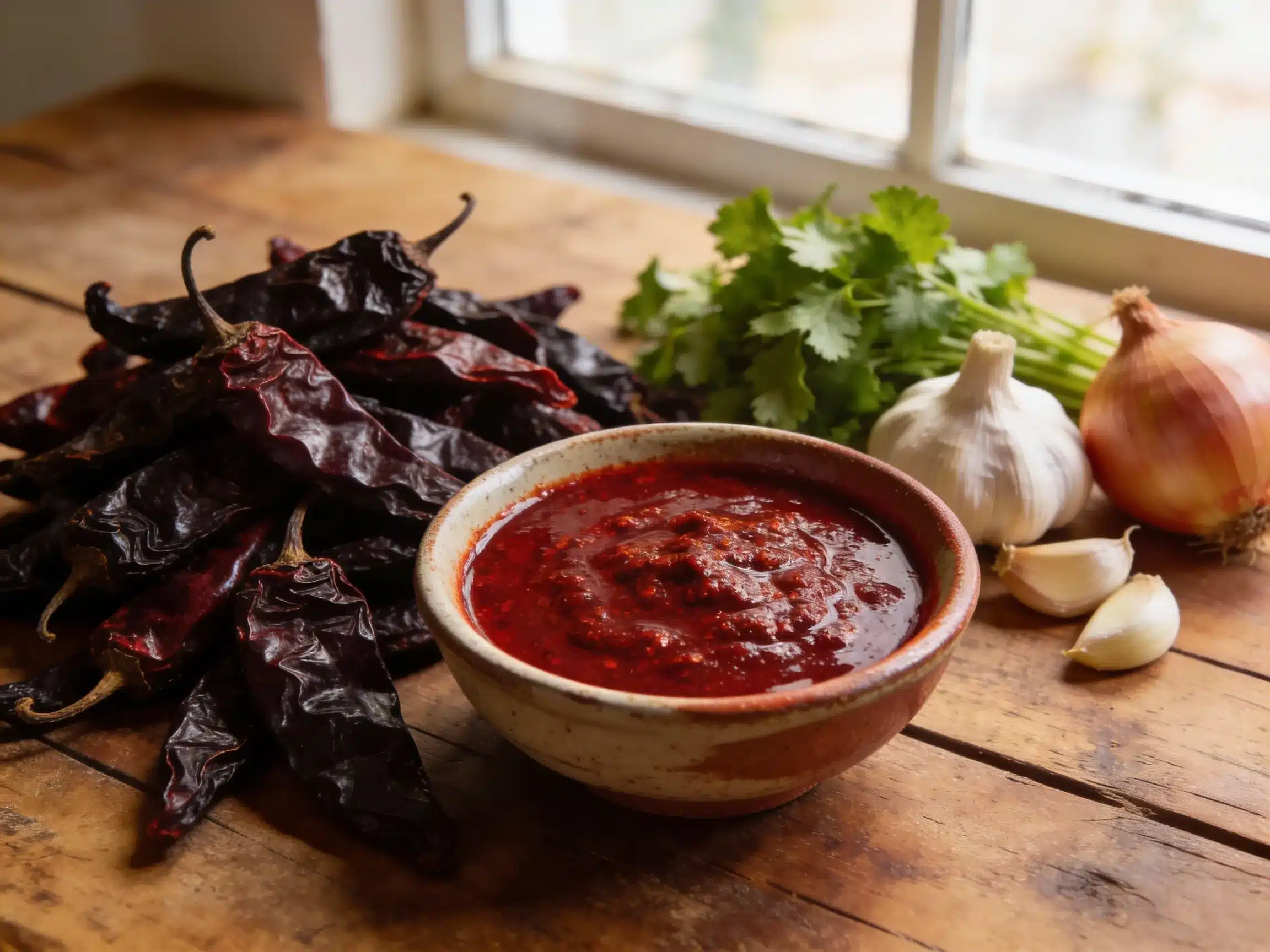
“Wandering through the municipal markets of Mexico City, I realized that the secret to authentic depth isn’t heat—it’s the dried chile. We audited dozens of spice blends to find that the ancho pepper provides a ‘raisin-like’ sweetness that bridges the gap between local heritage and kid-friendly cooking.” — Oliver Mayerhoffer
What Are Ancho Peppers? A Travel Kitchen Essential
Recipes with ancho peppers rely on dried poblano chiles, which offer a mild heat (1,000–2,000 Scoville units) and deep notes of dried fruit and chocolate. They are the backbone of moles and enchilada sauces, transforming from fresh grassy poblanos into rich, dark flavor enhancers.
If ancho peppers were a person, they’d be the quiet friend who never shouts but always gets noticed. Deep, smoky, slightly sweet, and rich with character—these dried chiles bring warmth and complexity to kitchens everywhere without overwhelming sensitive palates. At Mangoes & Palm Trees, ancho peppers became a staple after discovering why locals reach for them again and again.
When we started cooking with recipes using ancho peppers, something clicked: these weren’t just ingredients—they were vessels for travel memories. Dried ancho peppers are simply dried poblano peppers (see Wikipedia poblano in our evidence vault). Once fresh and grassy, they transform into something darker, richer, and more interesting—like grapes becoming raisins.
Ancho vs Poblano: Same Pepper, Different Lives
The poblano pepper, native to Mexico, begins its life fresh and bright green. When dried, that same pepper transforms into an ancho. According to specialty produce experts, this transformation concentrates flavors in ways that fresh peppers simply cannot achieve.
| State | Name | Flavor Profile | Best Use |
|---|---|---|---|
| Fresh | Poblano | Green, grassy, mild heat. | Stuffed peppers (Chiles Rellenos). |
| Dried | Ancho | Dark brown, raisin-sweet, smoky. | Sauces, moles, marinades. |
Why Ancho Peppers Became Our Kitchen Essential
- ✓ Affordable: A handful transforms an entire meal.
- ✓ Shelf-stable: No refrigeration needed; travels easily.
- ✓ Family-safe: Mild enough for kids, complex enough for adults.
- ✓ Culturally rich: Connects to real places and people.
Health Benefits of Recipes With Ancho Peppers
Recipes with ancho peppers provide concentrated nutrition, including high levels of Vitamin A and C. Capsaicin appears in nutrition literature summarized by Harvard T.H. Chan notes in our evidence vault—not medical advice, while the pepper’s skin offers dietary fiber and antioxidants that survive the drying process.
Flavor is wonderful, but when that flavor supports your family’s health, it becomes a staple. Harvard Health () documents that capsaicin—even in mild peppers like Anchos—can support metabolic health.
Nutritional Profile (Per 100g Dried)
| Nutrient | Function | Source Verification |
|---|---|---|
| Vitamin A | Supports eye health and immune function. | USDA FoodData () |
| Capsaicin | Anti-inflammatory properties. | NCBI / NIH Research |
| Iron | Essential for energy production. | USDA FoodData |
Is It Spicy? (The Scoville Truth)
Very Mild. Ancho peppers register between 1,000–2,000 Scoville Heat Units (SHU). For context, a Jalapeño is 2,500–8,000 SHU.
This makes ancho peppers the perfect “training wheels” for introducing kids to global spices.
How to Prepare Ancho Peppers for Recipes
Before any recipe comes preparation. The rehydration process is forgiving and teaches kids valuable cooking lessons about texture transformation.
- Stem & Seed Removal: Cut off the stem and shake out the seeds. Seeds contribute bitterness, not flavor.
- The “Flash Toast”: Place in a dry pan over medium heat for just 10–15 seconds per side. Stop immediately when you smell the fragrance.
- Thermal Shock (Soaking): Cover with hot (not boiling) water for 20–30 minutes until pliable.
“Never discard the soaking water. In professional kitchens, we call this ‘Liquid Gold. ‘ It contains dissolved flavor compounds and natural pectin.
Use it to thin your sauces instead of plain water for maximum depth.
Visual Guide: Making Ancho Paste
Video: “Ancho Chili Sauce Technique” by Tex-Mex Cuisine ( Resource).
Essential Recipes With Ancho Peppers (Sauces & Mains)
Now comes the magic—turning ancho peppers into meals. These recipes start simple and reward patience with incredible flavor. Each one has been tested in our family kitchen to ensure they work for busy weeknights.
Recipe #1: Family-Style Ancho Pepper Sauce (The Foundation)
This sauce is like a Swiss Army knife for your kitchen. Use it on everything: tacos, eggs, rice, or grilled meats. Make a big batch and freeze it.
Ingredients (Makes 2 Cups)
| Dried Ancho Peppers | 4 whole (stems/seeds removed) |
| Hot Water | 1 cup (reserve for blending) |
| Garlic | 3 cloves, minced |
| Spices | 1 tsp cumin, ½ tsp oregano |
| Olive Oil | 1 tbsp (for finishing) |
Method:
- Flash Toast: Toast peppers briefly in a dry pan (10–15 seconds per side) until fragrant.
- Hydrate: Soak in hot water for 20–30 minutes until soft.
- Emulsify: Blend peppers, garlic, onion, spices, and ½ cup soaking water until smooth.
- Refine: Strain through a fine mesh sieve for a silky texture (crucial for kids).
- Simmer: Heat oil in a pan, add sauce, and simmer 5 minutes to marry flavors.
Recipe #2: Ancho Pepper Chicken (30-Minute Meal)
Mild, cozy, and perfect for a Tuesday. The ancho sauce does all the heavy lifting.
Ingredients (Serves 4)
| Ancho Sauce | 2 cups (Recipe #1) |
| Chicken | 6-8 thighs (bone-in preferred) |
| Broth | 1 cup chicken stock |
| Finish | Lime juice, cilantro |
Method:
- Sear: Season chicken and brown skin-side down in a skillet. Remove.
- Deglaze: Add ancho sauce to the hot pan, scraping up browned bits.
- Braise: Return chicken to pan, add broth, cover, and simmer 25 minutes.
- Serve: Squeeze lime over top and serve with rice.
Victor’s “Kid-Tested” Rating (Age 9)
The Dish: Ancho Honey Glaze on Chicken Wings.
The Verdict: “It’s sticky like BBQ sauce but tastes like raisins. I give it 9/10 because it’s not ‘hot spicy,’ it’s just ‘flavor spicy.'”
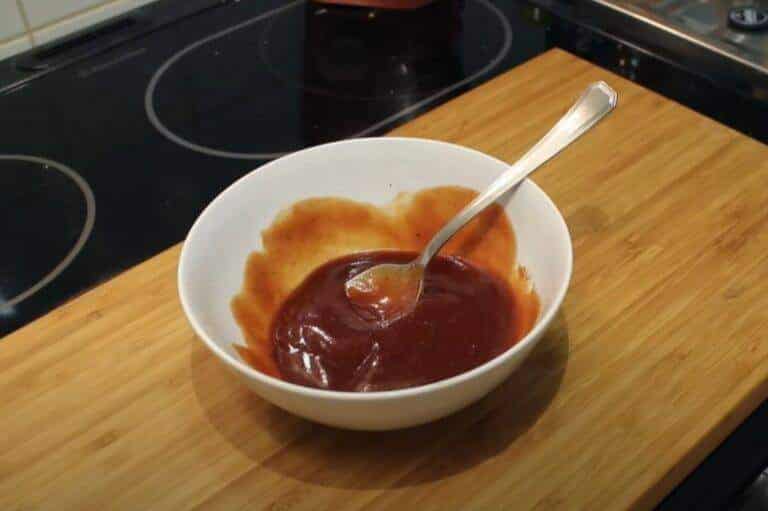
Parent Tip: For picky eaters, call it “Mexican BBQ Sauce.” The sweetness from the dried pepper (plus a little honey) bridges the gap perfectly.
Visual Guide: Authentic Ancho Preparation
Video: “Ancho Chile Prep” by Pati Jinich (Verified Authority).
Explore More Mexican Heritage Recipes
Mexican Street Corn (Elotes)
The perfect side dish for your Ancho Chicken.
Guajillo Chile Guide
Learn about the brighter, tangier cousin of the Ancho.
What do cooks ask about ancho pepper recipes?
How do you rehydrate dried ancho peppers for sauce?
Are ancho peppers too spicy for children?
When should you use ancho instead of guajillo?
What did Victor say about ancho flavor?
Victor's verdict (age 9)
Ancho honey glaze on wings: sticky like BBQ, tastes like raisins—9/10 because it is flavor-spicy, not hot-spicy.
Parent tip
Call the sauce Mexican BBQ for picky eaters; strain the puree so pepper flecks do not trigger texture objections.
Meet the Mayerhoffers
“Free-spirited food adventurers, culture-seekers, and the guardians of 15 years of global memories.”

Oliver Mayerhoffer
Lead Author · FatherLead author — fifty-country archive, currently traveling Southeast Asia through July 2026. Oliver brings field-tested recipe structure and honest weeknight notes from family kitchens abroad.

Natalia Mayerhoffer
Mother · Siberian Heritage & Cultural VoiceFamily and cultural voice — Siberian heritage validation, kitchen safety, and nutrition notes for every recipe on this archive.
“Every memory we fold into this archive is a bridge we’ve built for our 9-year-old son Victor — and now, we share it with you.”
Explore Our Full Family ArchiveWhat sources back this ancho recipe guide?
We prioritize lived family kitchen tests first. When heat, nutrition, or handling matters, we cross-check with the references below.
Wikipedia — Poblano
Fresh poblano and dried ancho relationship
Read sourceNMSU Chile Pepper Institute
Chile heat reference
Read sourceUSDA FoodData Central
Pepper nutrition reference
Read sourceHarvard T.H. Chan nutrition
Diet and capsaicin context—not medical advice
Read sourceUSDA FSIS
Safe handling reference
Read sourceEditorial field notes
Mayerhoffer ancho sauce and chicken tests — July 2026 kitchen season
Family-Style Ancho Pepper Sauce (The Foundation)
Toast, soak, blend, and strain dried anchos into a mild, raisin-sweet sauce—our Swiss-Army base for tacos, rice, eggs, and the 30-minute chicken below.
Ingredients
- 4 dried ancho peppers, stems and seeds removed
- 1 cup hot water, plus extra for blending
- 3 cloves garlic, minced
- 1 tsp cumin and ½ tsp dried oregano
- 1 tbsp olive oil for finishing simmer
Step-by-step method
Flash toast
Toast peppers briefly in a dry pan (10–15 seconds per side) until fragrant.
Hydrate
Soak in hot water 20–30 minutes until soft.
Emulsify
Blend peppers, garlic, spices, and ½ cup soaking water until smooth.
Refine
Strain through a fine mesh sieve for a silky texture.
Simmer
Heat oil in a pan, add sauce, and simmer 5 minutes to marry flavors.
Tested by Oliver Mayerhoffer and Natalia Mayerhoffer.
Enjoying our content? Make Mangoes & Palm Trees a preferred source on Google.
Explore next
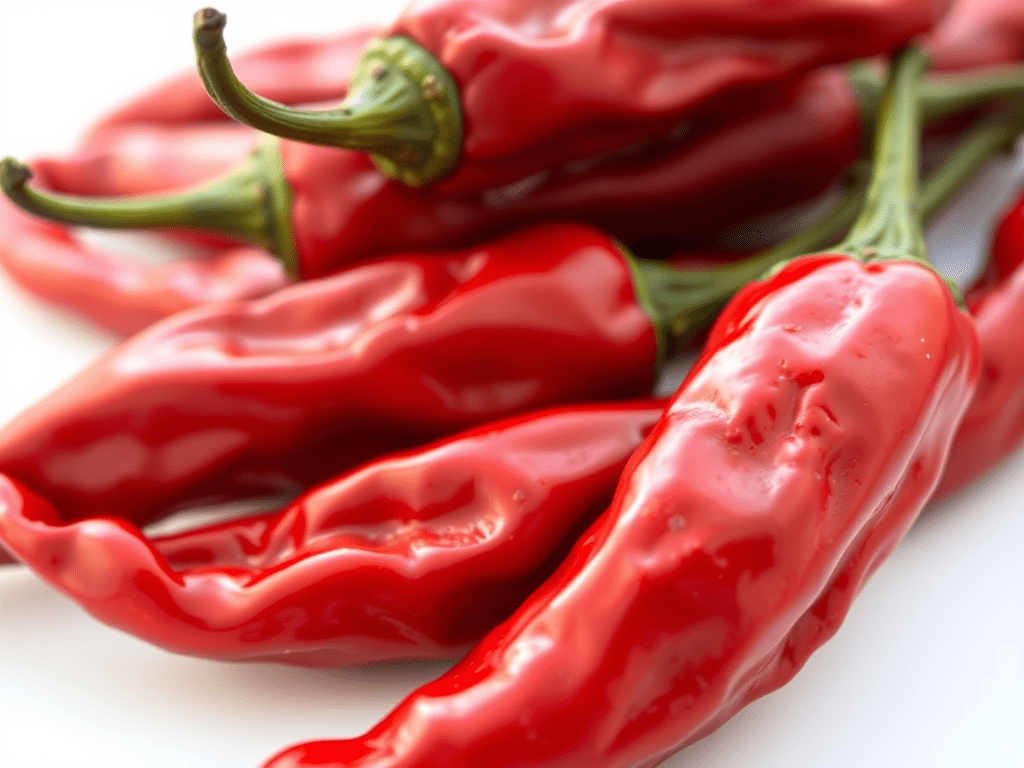
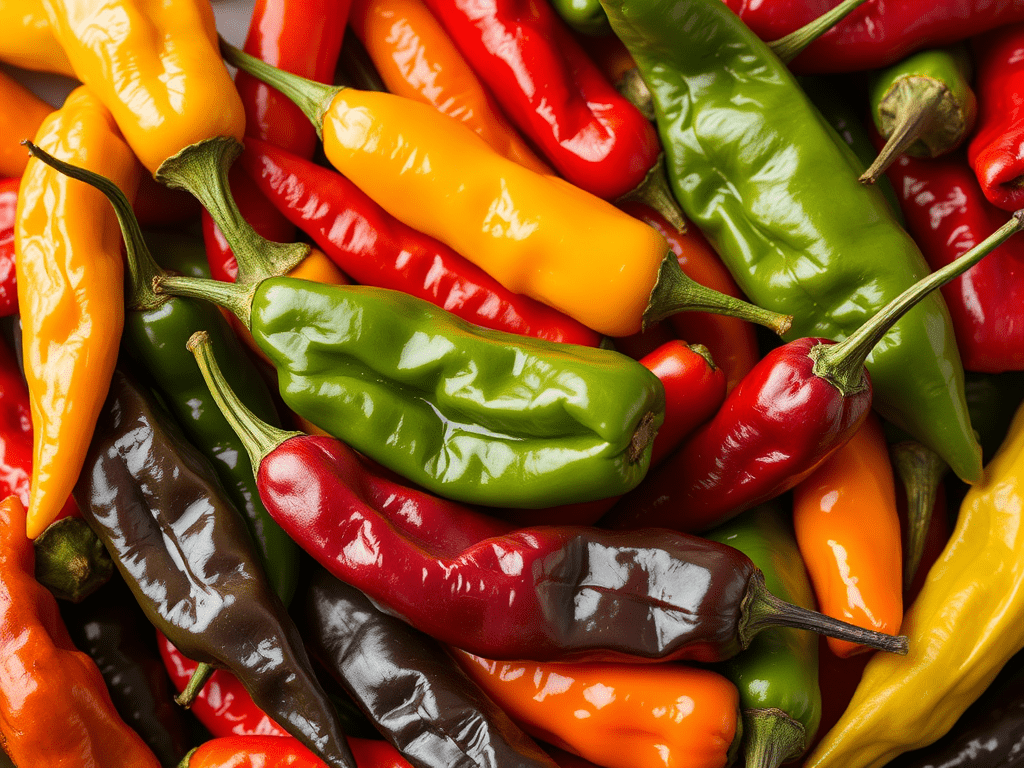


Where do ancho recipes sit in our archive?
Guajillo comparisons, ancho substitutes, fresh poblanos, and the wider chili pillar from the Mayerhoffer kitchen.