Editorial standards: editorial policy · Affiliate disclosure: affiliate disclosure · Family-tested archive — updated 2026-07.
Thailand kitchen · family recipe cluster
Authentic Thai Recipes For Families
Mild heat, market baskets, and archive recipes from our Southeast Asia field season—July 2026 notes while traveling Thailand.
What Thai recipes work best for families abroad?
Start with mild curries, stir-fries, and rice plates you can scale for kids—fish sauce on the side, palm sugar for balance, and Victor-tested mild heat. Our archive links market baskets in Hua Hin and Bangkok to weeknight pad kra pao, massaman, and coconut rice from fifty-country field kitchens.
Oliver writes from Southeast Asia fieldwork through July 2026; Natalia reviews safety and nutrition notes; Victor is the final vote on family plates.
What should families remember from this guide?
- Heat: Fish sauce and chili on the side for Victor.
- Hub: Thailand food travel 2026.
- Shop: Thai ingredients primer.
Bringing the Land of Smiles to Your Family Kitchen
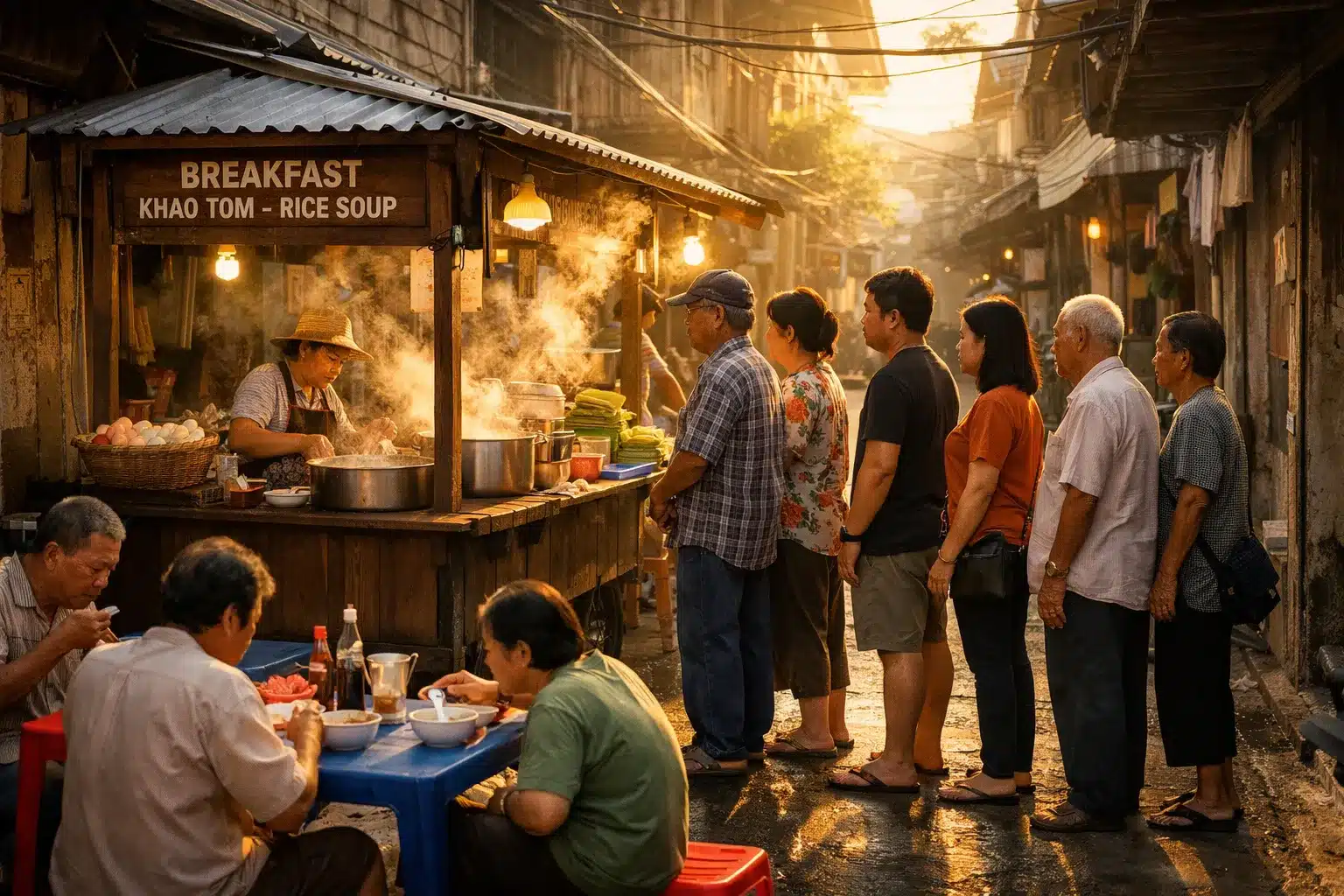
Picture a Hua Hin morning market: steam from noodle pots, lime beside palm sugar, and fish sauce that smells sharp until it hits the wok. That sensory map is what we bring home—mild heat, balanced plates, and recipes Victor will actually finish.
The Mayerhoffer Experience: From Backpacking Solo to Raising a 9-Year-Old Explorer
My Thai adventure began alone many years ago, long before I swapped a solo backpack for family luggage. I first touched down to meet my brother, planting the seeds for a decade of exploration. In 2015, while navigating the quiet sands of Koh Chang, I met Natalia—a Siberian-born medical professional and cultural navigator who would become my partner in this global culinary tour.
We eventually married in the frost of Krasnoyarsk, Siberia, but the tropical lure of the Kingdom pulled us back.
In 2016, our son Victor was born in Koh Samui. Today, at 9 years old, he is the catalyst for our Victor-Tested framework. Whether you are sourcing ingredients at a local market or prepping a transit snack from our best spam recipes, our July 2026 field notes keep family travel restorative.
Use our Asia travel guides hub for routing logistics, then return to the flavors that matter.
Natalia’s Nutritional Soul: The 2026 Immunity Window
From a clinical perspective, Thai cooking is a masterclass in anti-inflammatory science. Lemongrass, galangal, and turmeric are not just aromatics—they are pillars we use to maintain family health while exploring Thailand’s tropical hubs. I audit every Victor-Tested recipe for Safe-Plate protocols, ensuring your family stays protected and energized during high-stimulus cultural discovery.
This approach lets us pivot from fast transit days to slow, nature-immersive dining. For long-term sabbaticals, our budget guide to Southeast Asia pairs financial routing with the same culinary rhythm.
The Five Essential Thai Flavors: Foundation of Every Authentic Recipe
The biggest frustration for families is the “Spice Bomb” myth. Many believe authentic Thai recipes must be searingly hot to be real. In reality, heat is just one-fifth of the equation.
By mastering the balance of sweet, sour, salty, and umami, you can create kid-friendly meals that retain 100% of their cultural soul without overwhelming young palates.
When Victor was born on Koh Samui in 2016, Natalia and I faced a challenge: how to introduce the complex aromatics of the Kingdom to a baby without causing a “flavor shock.” We learned from our neighbors that real Thai families don’t just “cut the spice”; they recalibrate the Thai Flavor Matrix. Today, as Victor turns 9 during our 2026 trek, he uses this same framework to audit the best beachfront restaurants in Khao Takiab.
The Mayerhoffer Thai Flavor Matrix (2026 Audit)
| Flavor Profile | Thai Name | Mayerhoffer Source | Victor-Tested Strategy |
|---|---|---|---|
| Sweet | Wan | Palm Sugar / Fruit | Base note for curries; balances heat. We add extra for 9-year-old palates. |
| Sour | Priao | Lime / Tamarind | The “Brightness” factor. Kids love sour—use it to mask reduced spice. |
| Salty | Khem | Fish Sauce / Sea Salt | The soul of the dish. Smells raw but transforms into savory magic. |
| Spicy | Ped | Bird’s Eye Chili | 80/20 Rule: Remove seeds to cut 80% heat while keeping the aroma. |
| Umami | Delicious | Shrimp Paste | The invisible stabilizer. Essential for long-term flavor memory. |
The Samui Secret: Teaching Global Palates
During Victor’s early years on Samui, we discovered that kids stop fearing “weird” food when they understand the 5-flavor balance. By letting him smell the essential Thai ingredients like lemongrass and galangal, he began to see cooking as a discovery game rather than a chore. This is how real Thai families cook—not by following recipes like robots, but by tasting and adjusting until the “Wan, Priao, Khem” balance feels right.
🌿 Natalia’s Clinical Perspective: Digestive Harmony
As someone who audits our meals for nutritional soul, I prioritize galangal and tamarind. Beyond flavor, these are powerful digestive aids. The WHO travel and health guidance reinforces what we see in tropical kitchens: fresh, anti-inflammatory herbs support long family days on the road.
This is why we never skip the fresh aromatics, even if we are making a quick spam-based travel snack for Victor.
Regional Variations: Why Thai Recipes Differ Across the Kingdom
Thailand is not one cuisine—it is four distinct culinary identities. We learned this across return trips to the Kingdom. What worked in Bangkok curry shops on my first solo visits did not always apply at Chiang Mai night bazaars when we traveled as a family.
Understanding these regions is the “Secret Key” to choosing the right authentic Thai recipes for families based on your child’s mood and heat tolerance.
Mayerhoffer Regional Audit (Return Trips Across the Kingdom)
| Region | The Experience Signal | Signature Profile | Family Best For… |
|---|---|---|---|
| Central (Bangkok) | My Solo Beginnings | Sweet & Balanced | First-time Thai cooks & kid-friendly Pad Thai. |
| Northern (Chiang Mai) | 3 Years as a Family | Herbal & Earthy | Adventurous eaters; lighter, herb-dense meals. |
| Southern (Islands) | Victor’s Birth Hub | Creamy & Intense | Seafood families & creamy Massaman lovers. |
| Isaan (Northeast) | Market Audits | Spicy & Crunchy | Grilling nights & spice-loving parents. |
The 2026 Hua Hin Baseline
On our July 2026 field season we are routing from Hua Hin. This royal resort town bridges Central sweetness with Southern seafood. As we audit restaurants in Khao Takiab, Victor (now 9) helps refine our regional safety notes for family travelers.
🍃 Natalia’s Heritage Note: The Northern Herb Defense
During return visits to Northern Thailand, I became focused on the medicinal value of herbs in larb and khao soi. The heavy use of fresh mint and coriander acts as natural digestive support. For our 2026 family guides, I prioritize Northern-style salads because they offer high nutritional density without the heavy coconut fats found in the South—ideal for long travel days.
Essential Thai Ingredients: The Mayerhoffer Pantry Audit
My journey into high-stimulus ingredient markets did not start in Bangkok—it started at age 15 in the spice stalls of New Delhi and Rajasthan. That India epiphany taught me to navigate raw aromatics, a skill I use daily as we audit stalls during our 2026 Southeast Asia field season. Across years of return trips to the Kingdom, we learned you do not need a hundred bottles—you need a strategic core of authentic Thai ingredients that bridge shelf-stable logic and fresh nutritional soul.
The Foundational Pantry (Shelf-Stable)
These are the staples we keep in our essential ingredients guide. They provide the “Salt and Sweet” structure for every dish Victor tastes.
- Jasmine Rice: The aromatic base. Victor will eat any curry as long as the rice is high-quality and steaming.
- Fish Sauce (Nam Pla): Our “Liquid Gold.” Smells strong raw, but adds the essential savory umami depth once cooked.
- Coconut Milk: Always go full-fat. It’s the carrier for vitamins and provides the “calm” in a spicy curry.
- Palm Sugar: The traditional sweetener. We use this to balance heat, especially when introducing new flavors to kids.
The Soul of the Dish: Fresh Aromatics
If the pantry is the bones, fresh herbs are the spirit. In the professional kitchens of Austria, Uncle Wolfgang taught me the precision of French technique; in Thailand, I learned that aromatics are used for their “living oils.” We never substitute dried for fresh.
The 2026 Fresh Aromatic Protocol
- Lemongrass: Bruise the stalk to release the citrus-floral oils before simmering.
- Galangal: Medicinal and earthy. It is the “Antibiotic of the Kitchen” in our family medicine cabinet.
- Kaffir Lime Leaves: Tear them by hand to maximize the intense lime aroma in curries.
- Thai Basil: Look for purple stems. It adds a licorice note that defines authentic Pad Krapow.
🌿 Natalia’s Clinical Perspective: Anti-Inflammatory Sourcing
My background in medical health informs how I audit our meals for nutritional soul. In Thailand, ingredients like turmeric and galangal are not just flavor—they are anti-inflammatories that protect our family during high-stimulus travel. We prioritize fresh sourcing at local markets—like those we audit in Hua Hin this July—so Victor gets maximum bioavailability from every Victor-Tested plate.
This focus on “Living Food” is why we also incorporate versatile ingredients from our other guides, such as the nutrient-dense profile found in the best russet potato recipes for restorative family comfort.
Expert Video Tutorials: Mastering the Wok and the Ladle
During my “India Epiphany” at age 15, I learned that watching a master navigate a hot pan is worth a thousand written words. In Thailand, “Seeing is Believing. ” To bridge the gap for your home kitchen, we have audited and selected two definitive tutorials from native Thai chefs.
These videos represent the “Mayerhoffer Standard”—authentic technique, clean ingredients, and a focus on the 5-flavor balance.
The Professional’s Pad Thai: Chef Hong Thaimee
Why We Chose This: Chef Hong demonstrates the “Commercial Speed” required to get that signature wok-char without burning the garlic. This is the exact rhythm I practiced in Bangkok.
Authentic Pad Thai Technique – Tasty
Source: Tasty on YouTube | Professional demonstration by Chef Hong Thaimee (Verified 2026).
The Family Soul: Chef Pailin’s Tom Yum
Why We Chose This: Pailin breaks down the aromatics with the same clinical precision Natalia uses to audit our family health. This is the definitive “Victor-Tested” soup technique for medicinal warmth.
Watch preparation video on YouTube
Source: Pailin’s Kitchen on YouTube | Le Cordon Bleu-trained authentic instruction (Verified 2026).
🌿 Natalia’s Clinical Strategy: Visual Hygiene
Watching these videos reveals more than recipes—it reveals clean-plate hygiene protocols essential for tropical cooking. Notice how both chefs treat fresh aromatics like medicinal herbs. That matches the Safe-Plate protocols we use on our July 2026 field season in Hua Hin.
By observing the correct “Aromatic Squeeze,” you ensure Victor gets the highest bio-available nutrients from every meal.
What do parents ask about Thai cooking at home?
Which Thai dish should beginners cook first for kids?
How do you shop Thai ingredients outside Thailand?
Where does this guide connect on the site?
Meet the Mayerhoffers
“Free-spirited food adventurers, culture-seekers, and the guardians of 15 years of global memories.”

Oliver Mayerhoffer
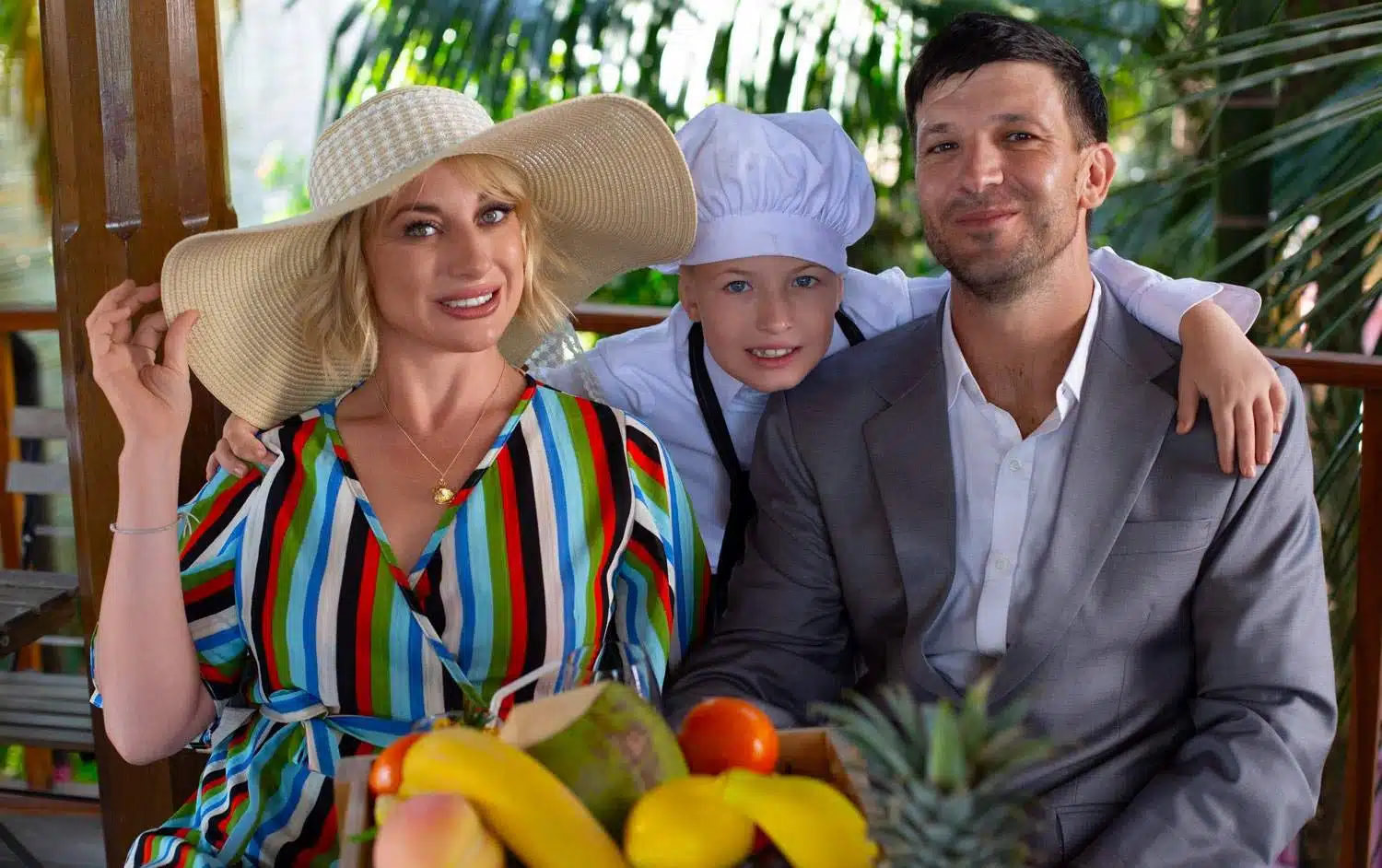
Lead Author · FatherLead author — fifty-country archive, currently traveling Southeast Asia through July 2026. Oliver brings field-tested recipe structure and honest weeknight notes from family kitchens abroad.

Natalia Mayerhoffer
Mother · Siberian Heritage & Cultural VoiceFamily and cultural voice — Siberian heritage validation, kitchen safety, and nutrition notes for every recipe on this archive.
“Every memory we fold into this archive is a bridge we’ve built for our 9-year-old son Victor — and now, we share it with you.”
Explore Our Full Family ArchiveWhat sources back this Thailand travel guide?
Routing and safety context come from official references below—paired with Mayerhoffer family field notes from July 2026 Thailand travel.
Time Out Bangkok
Editorial routing for Bangkok and Thailand trips
Read sourceWHO travel and health
International travel health context — not medical advice
Read sourceHarvard T.H. Chan nutrition
Food and travel nutrition context — not medical advice
Read sourceEditorial field notes
Mayerhoffer family Thailand fieldwork — July 2026
Enjoying our content? Make Mangoes & Palm Trees a preferred source on Google.
Explore next


Where should Thai family recipes route next?
Thailand hub, ingredient primer, and Hua Hin market siblings from the Mayerhoffer archive.