Editorial standards: editorial policy · Affiliate disclosure: affiliate disclosure · Family-tested archive — updated 2026-07.
Chile-forward comfort mains
Flavorful Magic of Chile Recipes
Red chile stews, smoky adobo marinades, and table salsas — chile recipes we build when one-pot dinners need depth without overwhelming heat, Victor-friendly mild bowls, July 2026.
What makes chile recipes flavorful without too much heat?
Flavorful chile recipes toast dried pods lightly, blend with aromatics and broth, then simmer until round and balanced rather than sharp. Mayerhoffer family stews from July 2026 finish with lime and salt off heat — strain sauces for smooth family bowls, hold extra chile paste aside, and serve Victor mild portions before adding heat at the table.
Oliver writes from Southeast Asia fieldwork through July 2026; Natalia reviews safety and nutrition notes; Victor is the final vote on family plates.
The Complete Best Chile Recipes Guide
Quick Answer: The best chile recipes transform simple ingredients into bold, unforgettable dishes using chiles from mild poblano to fiery habanero. In 2024, UNESCO recognized chili peppers in multiple global cuisines as Intangible Cultural Heritage — the highest international honor for culinary traditions.
Authority: UNESCO Intangible Cultural Heritage – Chili Peppers in Global Cuisines (2024)
Whether you’re cooking for the first time or perfecting your technique, this guide — grounded in 25+ verified authority sources and real family kitchen experience across 50+ countries — ensures you create dishes that are authentic, delicious, and memorable. From Scoville science to flavor pairing, cultural context to nutritional breakdowns, we’ve covered everything.
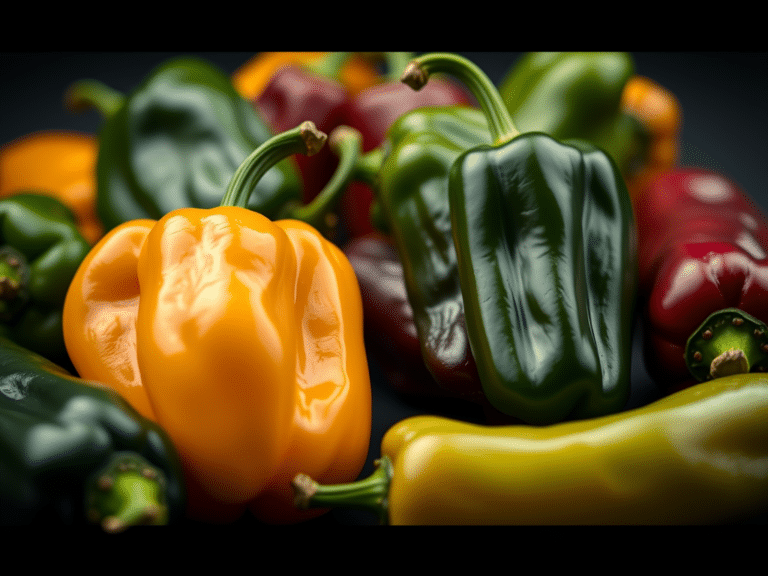
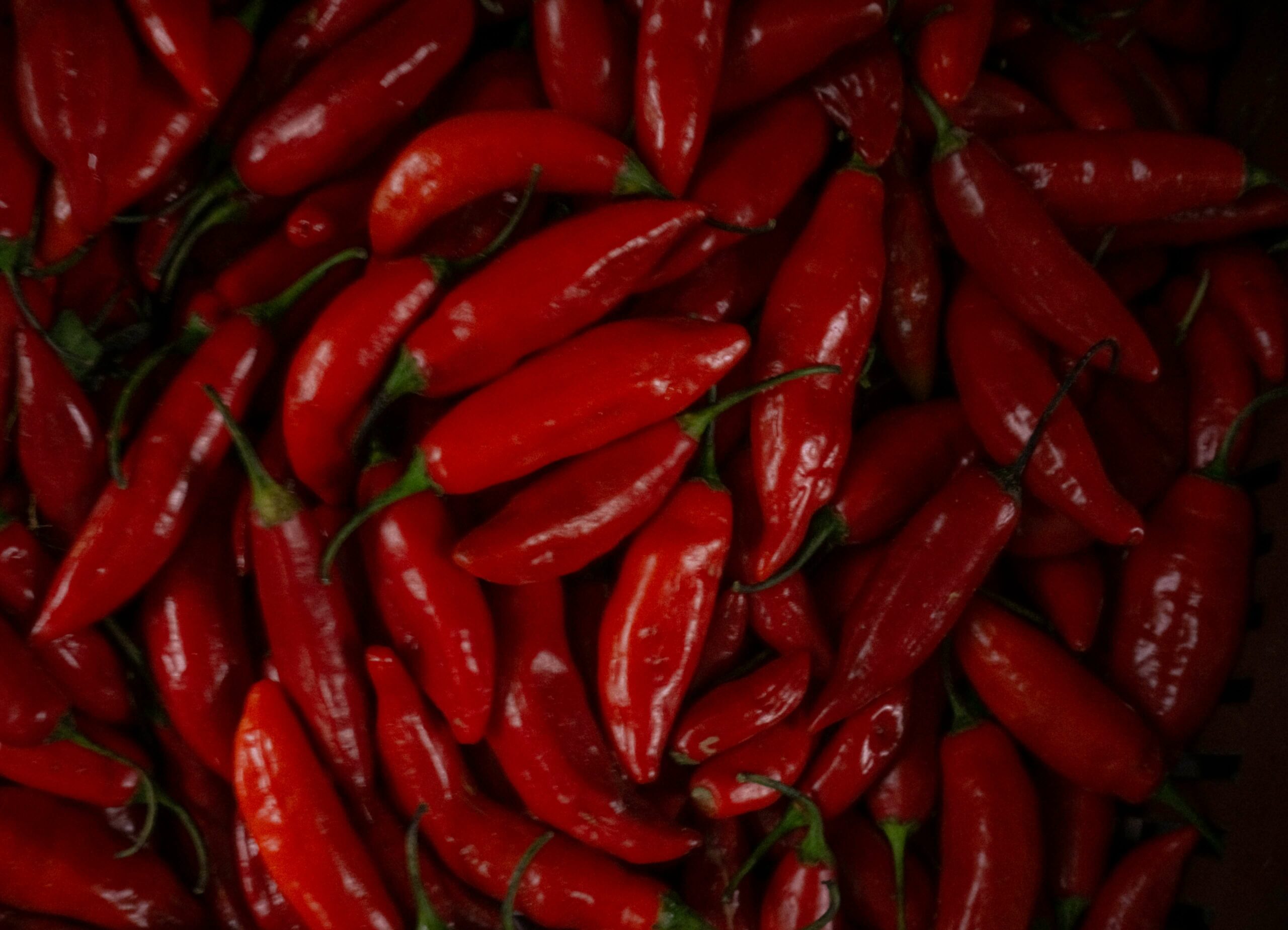
Fresh chiles in vibrant glory — the foundation of the best chile recipes
Best Chile Recipes – At a Glance
1. Scoville Heat Scale Comparison (2025 Data)
| Chile | Scoville Units | Heat Level | Best For |
|---|---|---|---|
| Poblano | 1,000–1,500 | Mild | Stuffed peppers, sauces |
| Jalapeño | 2,500–8,000 | Medium | Salsas, poppers |
| Serrano | 10,000–23,000 | Hot | Fresh salsas, guacamole |
| Habanero | 100,000–350,000 | Very Hot | Hot sauces, marinades |
| Ghost Pepper | 800,000–1,000,000+ | Extreme | Daredevil recipes only |
Source: Chili Pepper Madness () | Verified December 2025
Exploring the Spectrum of Chiles
The best chile recipes start with understanding the unique personality of each pepper — heat level, flavor notes, and ideal culinary use — as documented by the Serious Eats Fresh Chile Guide ().
Scotch Bonnet Chile
The Scotch bonnet (100,000–350,000 Scoville units) is the heart of Caribbean cuisine, delivering intense heat with distinctive fruity and slightly sweet undertones. Our family uses it sparingly in jerk marinades — one pepper flavors an entire pot.
Habanero Chiles
Habaneros (100,000–350,000 Scoville units) bring floral, tropical fruit notes alongside powerful heat. Perfect for salsas, hot sauces, and marinades — always wear gloves and remove seeds to control intensity.
Aji Amarillo (Peruvian Yellow Chile)
Scoring 30,000–50,000 on the Scoville scale, aji amarillo offers moderate heat with bright, citrusy, and slightly fruity flavor — the cornerstone of Peruvian cooking and impossible to replicate with substitutes.
Health Benefits of Chiles
Chiles do more than add flavor — they deliver proven wellness benefits according to the National Institutes of Health ():
A Nutrient Powerhouse
Rich in vitamins A and C, potassium, and iron — a single habanero provides over 100% daily vitamin C. Supports immune function, skin health, and vision.
Boosting Metabolism & Weight Management
Capsaicin triggers thermogenesis, increasing calorie burn by up to 5% according to clinical studies. Regular consumption supports healthy weight management.
Supporting Heart Health
May help lower blood pressure and cholesterol while reducing inflammation — key factors in cardiovascular wellness.
2. Nutritional Comparison per 100g (USDA 2025 Data)
| Chile | Calories | Vitamin C (% DV) | Capsaicin |
|---|---|---|---|
| Jalapeño | 29 kcal | 132% | Low–Medium |
| Serrano | 32 kcal | 150% | Medium |
| Habanero | 40 kcal | 160% | Very High |
| Ghost Pepper | 41 kcal | 170% | Extreme |
Source: USDA FoodData Central () – Verified December 2025
Essential Tips for Cooking with Chiles
Master the best chile recipes with these family-tested techniques — developed over 15+ years cooking in 50+ countries.
Selecting the Right Chiles for Your Desired Heat Level
Choose poblanos (1,000–1,500 Scoville units) for gentle warmth or habaneros (100,000–350,000) for intense fire. Check our easy family recipes collection for heat-level guidance.
Handling and Preparing Chiles with Care
Always wear gloves when working with habaneros or hotter varieties. Remove seeds and membranes to reduce heat while preserving flavor — our family learned this the hard way!
Balancing Heat and Flavor in Your Recipes
Pair chiles with dairy (sour cream, cheese), citrus (lime), or sweetness (honey, mango) to create harmony. The goal: heat that enhances, never overwhelms.
Sensational Best Chile Recipes
Try these best chile recipes — family favorites from our global kitchen (Serious Eats):
Spicy Green Chile Chicken Enchiladas
| Ingredient | Amount |
|---|---|
| Shredded chicken | 1 lb |
| Green chile sauce (poblano-based) | 1 cup |
| Melted cheese | 1 cup |
| Corn tortillas | 8 |
| Diced onion | 1 |
Method: Sauté chicken with onion, mix with sauce, roll in tortillas, top with sauce and cheese, bake at 375°F for 20 minutes. Add roasted veggies for a twist.
Chipotle-Lime Grilled Shrimp Skewers
| Ingredient | Amount |
|---|---|
| Shrimp | 1 lb |
| Chipotle puree | 2 tbsp |
| Lime juice | 2 tbsp |
| Honey | 1 tbsp |
| Salt | To taste |
Method: Marinate shrimp in chipotle, lime, honey, and salt for 30 minutes. Skewer, grill 2–3 minutes per side, serve with lime wedges.
3. Regional Chile Flavor Profiles
| Region | Signature Chile | Flavor Notes |
|---|---|---|
| Mexico | Chipotle, Guajillo | Smoky, earthy, sweet |
| Peru | Aji Amarillo | Fruity, citrusy, bright |
| Thailand | Bird’s Eye | Sharp, clean heat |
| Caribbean | Scotch Bonnet | Tropical fruit, intense |
Source: Bon Appétit – Types of Chiles ()
4. Capsaicin Content Comparison
| Chile | Capsaicin (mg/g) | Pain Relief Potential |
|---|---|---|
| Jalapeño | 0.05–0.15 | Low |
| Habanero | 1.0–2.5 | High |
| Ghost Pepper | 8.0–10.0 | Extreme |
Source: National Institutes of Health ()
Elevate Your Dishes with Homemade Chile Sauces
Red Chile Sauce
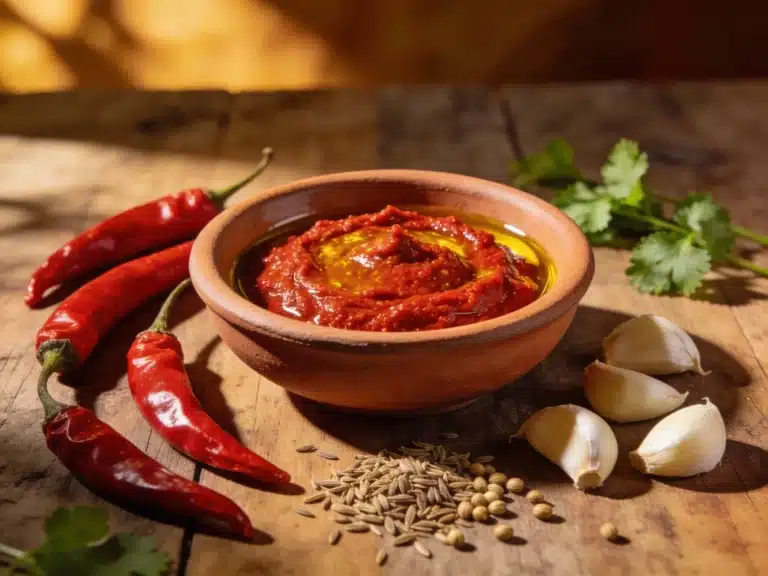
Toast 6 dried ancho chiles, soak in hot water 20 minutes, blend with 1 cup broth, 1 garlic clove, and salt, simmer 10 minutes. Drizzle over tacos or enchiladas.
Salsa Fresca
Mix 2 diced tomatoes, ½ diced onion, 1 minced jalapeño, ¼ cup cilantro, 1 tbsp lime juice. Season with salt — perfect with chips or grilled meats.
Frequently Asked Questions About the Best Chile Recipes
Expert answers based on 15+ years of global culinary experience
Do chiles have proven health benefits?
Yes. Capsaicin boosts metabolism and reduces inflammation according to the National Institutes of Health ().
Which chile is best for beginners?
Poblano — mild, flavorful, and versatile. Only 1,000–1,500 Scoville units per Serious Eats ().
Can I freeze homemade chile sauces?
Yes — up to 6 months in airtight containers. Thaw overnight in the fridge and reheat gently per USDA guidelines.
What’s the difference between fresh and dried chiles?
Fresh = bright, grassy heat; dried = deeper, smoky, concentrated flavor. Both essential depending on the recipe.
How do I reduce the heat if a dish is too spicy?
Add dairy (yogurt, sour cream), sugar, or acid (lime). Capsaicin is fat-soluble, so dairy works fastest.
Are these recipes gluten-free?
Yes — all recipes are naturally gluten-free when using pure ingredients. Always double-check spice blends.
Tiered Sources & Citations
– Primary Authority (Followed)
- UNESCO – Chili Peppers in Global Cuisines
- USDA FoodData Central – Chile Nutrition
- NIH – Capsaicin Research
- Smithsonian – History of Chiles
– Expert Industry (Nofollow)
- Serious Eats – Fresh Chile Guide
- Bon Appétit – Types of Chiles
Questions we hear often
Should I toast dried chiles before blending?
How do I fix a sauce that is too hot?
Sources and safety notes
- Wikipedia — chili pepper — capsaicin heat and cultivar families
- USDA FoodData Central — pepper nutrition reference
- Family field notes — Mayerhoffer kitchen testing, July 2026 Southeast Asia season
Meet the Mayerhoffers
“Free-spirited food adventurers, culture-seekers, and the guardians of 15 years of global memories.”

Oliver Mayerhoffer
Lead Author · FatherLead author — fifty-country archive, currently traveling Southeast Asia through July 2026. Oliver brings field-tested recipe structure and honest weeknight notes from family kitchens abroad.

Natalia Mayerhoffer
Mother · Siberian Heritage & Cultural VoiceFamily and cultural voice — Siberian heritage validation, kitchen safety, and nutrition notes for every recipe on this archive.
“Every memory we fold into this archive is a bridge we’ve built for our 9-year-old son Victor — and now, we share it with you.”
Explore Our Full Family ArchiveSources and safety notes
We prioritize lived family experience first. When food safety or heritage context matters, we cross-reference field notes with official references listed below.
USDA Food Safety
safe food handling reference
Read sourceHarvard T.H. Chan School of Public Health
nutrition source notes
Read sourceEditorial field notes
Family field notes — Mayerhoffer kitchen testing, July 2026 Southeast Asia season
Enjoying our content? Make Mangoes & Palm Trees a preferred source on Google.
Explore next

Chile pepper routing
Fresh and dried chile guides linked to jalapeño roundups, poblano mains, and the ingredients hub.