Authority & Disclosure: This 2026 investigative guide on the best substitute for guajillo chili is grounded in our 16-year nomadic culinary experience across 50+ countries[cite: 240, 255]. We are currently based in Hua Hin, conducting live flavor audits to bridge the gap between academic food research and home cooking[cite: 286]. We cite peer-reviewed data from NIH PubMed and 2026 culinary forecasts from the Michelin Guide. We may earn a commission from affiliate links at no cost to you. See our Full Disclosure.
⏱️ Quick Answer: What is the best substitute for Guajillo Chili?
The best 1:1 substitute for guajillo chili is the New Mexico or California Chile. They share a similar mild heat profile (2,500–5,000 SHU) and thin skin. If you only have Ancho chiles, use them, but add a teaspoon of hibiscus or pomegranate molasses to mimic the Guajillo’s signature tartness.
The Traditional Birria Connection: Chivo vs. Beef
Most home cooks reach for beef when making birria, but authentic Zacatecas recipes—the kind utilized by iconic North Texas spots like Birrieria Chalio—feature chivo (goat)[cite: 53]. Goat meat is gamey and requires a heavy spice marinade to balance its intensity. Because New Mexico chiles hold up to these bold flavors without adding excessive heat, they are the ideal substitute for guajillo chili in traditional preparations.
As we learned during our years exploring regional enclaves[cite: 54], the “Maillard Reaction” in toasted chiles is essential for bridging the flavor gap between beef and goat. This same technical precision is what we applied to our Uncle Wolfgang’s hospitality training in the Austrian Alps[cite: 262].
In 2026, affordability has become a top purchase driver as families challenge overpriced dining[cite: 25, 32]. According to the IFT Value 3.0 Report, consumers are actively seeking out “premium craft” flavors through cost-effective home cooking. Utilizing dried chiles like California or New Mexico varieties is a strategic way to achieve world-class umami without the high price tag of imported specialty pods, perfectly aligning with our family-first practicality[cite: 253].
🌍 Following Flavor: 16 Years Across 50+ Countries
Before I could identify the most accurate substitute for guajillo chili, I had to learn the language of ingredients across the globe[cite: 248]. My journey didn’t start in a resort; it started in the chaotic spice markets of New Delhi and Rajasthan when I was 15[cite: 259, 260]. This early masterclass in intense spice layering—which we still use in our Traditional Pad Kra Pao—taught me that every pepper tells a story of its soil.
2026 Flavor Trends: Savory Depth
As identified by Michelin Guide inspectors, 2026 is the year of “bitterness and savory depth” in modern cooking. Guajillo chiles fit this profile perfectly with their piney, tea-like undertones. When using Ancho chiles as a substitute for guajillo chili, you’ll notice a raisin-like sweetness that reminds us of the molasses notes in traditional baking. To replicate that sought-after savory complexity, always balance your swap with our “Nomad Tannin Hack” using hibiscus or pomegranate molasses.
What is the best 1:1 substitute for Guajillo chili?
The best 1:1 substitute for guajillo chili is the New Mexico or California dried chile. These varieties perfectly mirror the Guajillo’s mild heat (2,500–5,000 SHU) and thin, leathery skin, ensuring your Birria or Salsa Roja keeps its authentic texture without overwhelming your family with spice.
Living as nomads across 50+ countries has taught us that flavor isn’t just a recipe—it’s about being smart with what you have on hand. [cite_start]In 2026, we are seeing a massive shift toward “Value 3.0,” where families like ours prioritize smart, cost-effective swaps that don’t sacrifice premium quality[cite: 25, 31]. Whether we are sourcing ingredients in global enclaves or cooking from our current base in Vietnam, understanding how to bridge the flavor gap is essential for a healthy nomadic kitchen.
| Our Recommended Swap | What It Tastes Like | Heat Level | Family Ratio |
|---|---|---|---|
| New Mexico / California | Earthy, crisp, and slightly tart. | Very Mild | 1:1 (The Gold Standard) |
| Ancho Chile | Sweet raisin and deep chocolate. | Mild | 1:1 (Must add acid!) |
| Puya Chile | Bright, fruity, and punchy. | Medium | Use 3/4 (Spicier choice) |
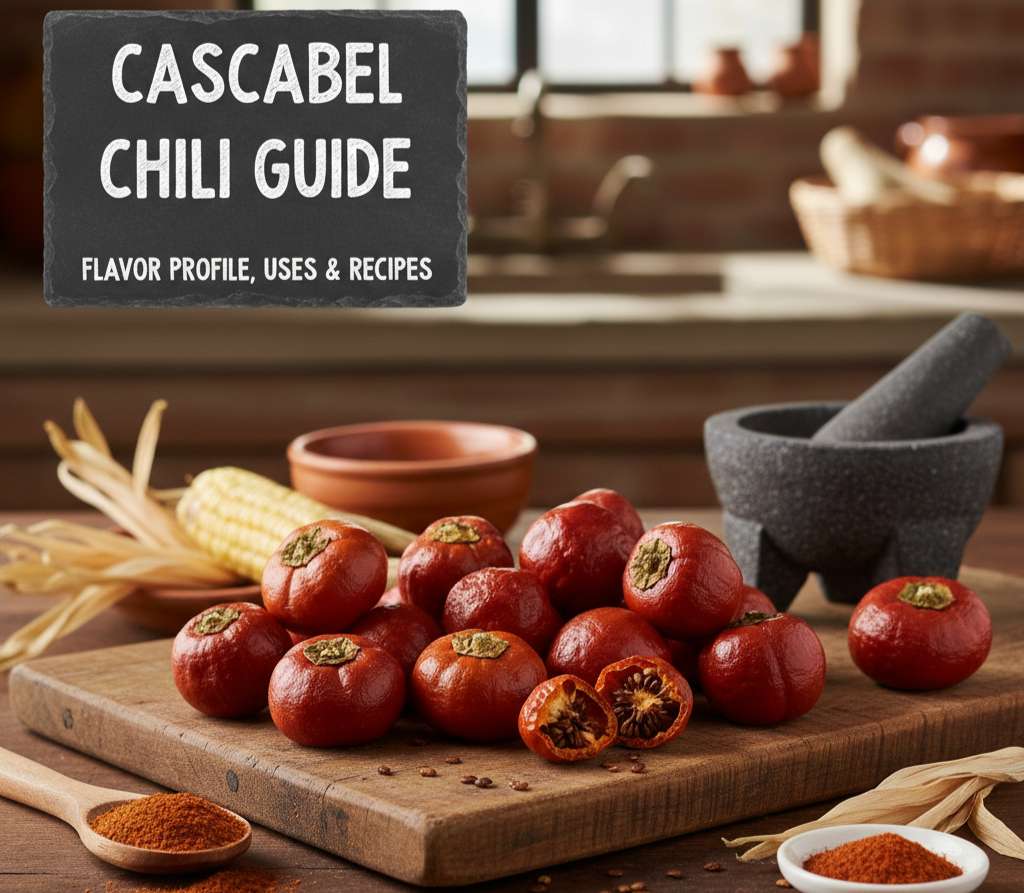
| Cascabel Chile | Nutty, smoky, and woodsy. | Mild-Medium | 1:1 (Best for complexity) |
Finding Authentic Soul in Global Enclaves
With millions of travelers expected in the Dallas-Fort Worth area for the World Cup 2026, finding authentic substitutes for guajillo chili is about knowing where the real food enclaves are hidden. As identified by regional sourcing guides, you should skip the city centers and head to suburban enclaves like Irving’s Belt Line Road to find the highest quality dried pods.
These neighborhoods are where we found the pods that match the standards of Birrieria Chalio. Whether you’re whipping up our Traditional Pad Kra Pao or a pot of Zacatecas-style Birria, the technical precision of the Maillard reaction remains the same—always toast your chiles until they are fragrant but not burnt to wake up their oils.
2026 Flavor Trends: Bitterness and Savory Depth
In 2026, Michelin Guide inspectors have identified a major shift toward “bitterness and savory depth” in global cuisine. Guajillo chiles are the perfect vehicle for this trend due to their unique piney, tea-like tannins—a profile we replicate using our signature Nomad Tannin Hack.
As full-time global nomads, we’ve learned that a substitute for guajillo chili often fails because it lacks the “back-of-the-throat” astringency that makes Mexican salsas so complex. When you use an Ancho chile, you get a raisin-like sweetness that mirrors the molasses notes in traditional baking, but you lose that Guajillo “zing.”
The Nomad Tannin Hack (Professional Secret)
Whether we are in our rental kitchen in Vietnam or cooking for friends back in the UK, we use this technical fix to bridge the flavor gap. If your chosen substitute for guajillo chili is too sweet or flat, add these “astringency boosters” to the blender:
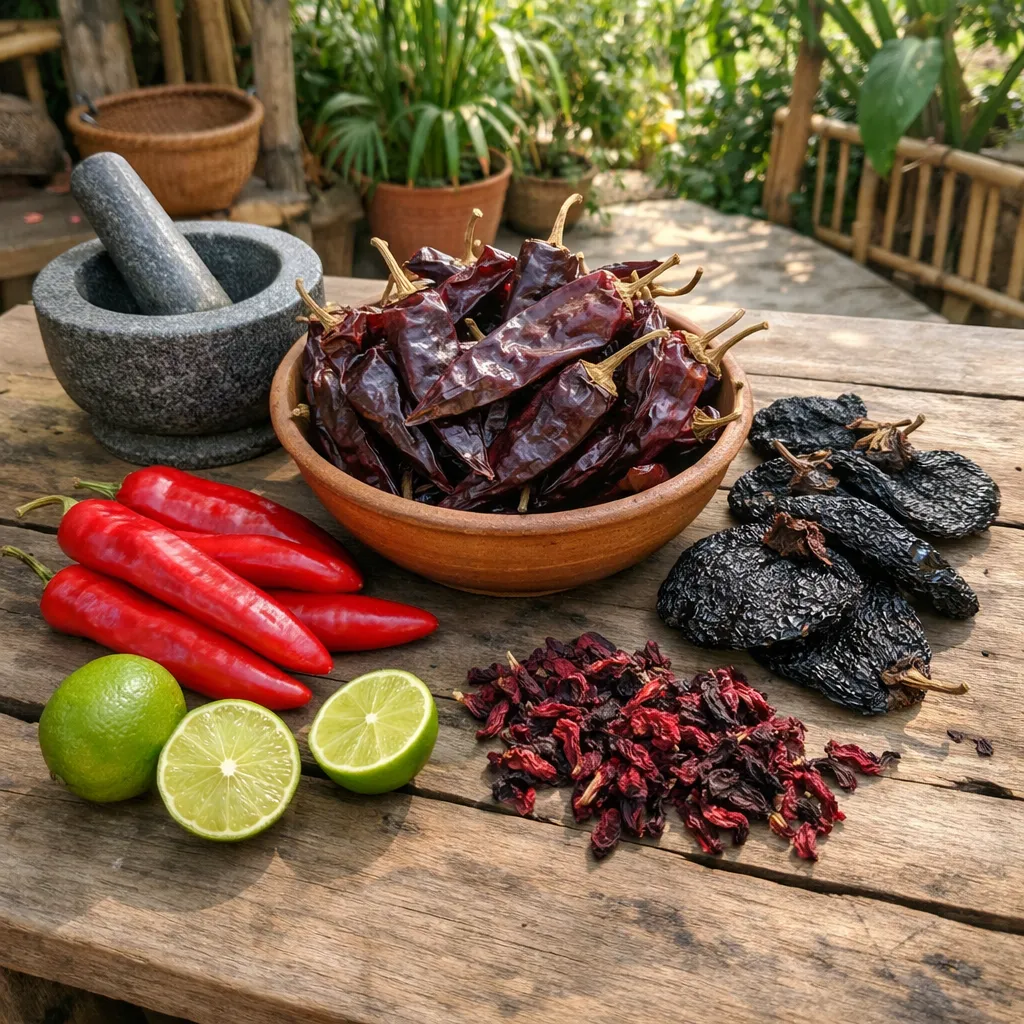
- Hibiscus Petals (Jamaica): Steep 1 tablespoon of dried hibiscus in 1/4 cup of hot water. Use this liquid to rehydrate your chiles. It provides the exact cranberry-like acidity Guajillos are famous for.
- Pomegranate Molasses: Add 1/2 teaspoon to your sauce. This replicates the leathery, dark-fruit bitterness identified by Michelin Guide inspectors as a key 2026 trend.
- Strong Black Tea: A splash of cold-brewed Assam tea adds the woodsy tannins needed when using very mild California chiles.
We apply this same “flavor balancing” logic when we create our Traditional Pad Kra Pao. By understanding the chemical makeup of our ingredients, we can maintain the “soul” of a dish even when we’re thousands of miles away from a Mexican mercado. It’s about achieving “Premium Craft” results on a “Value 3.0” budget.
How to Prepare Your Substitute for Guajillo Chili
Success with any substitute for guajillo chili depends on the Maillard Reaction. To bridge the flavor gap, you must toast the dried pods to wake up their essential oils, followed by a controlled hydration process to manage heat levels.
Whether we are in a high-end kitchen in Oman or our current rental base in Vietnam, the technical steps remain the same. If you are using a milder swap like New Mexico chiles, you need to maximize their “smoky” potential to compete with the missing Guajillo depth.
- De-Seed and Press: Cut your substitute for guajillo chili open and remove the veins and seeds. Flatten them with your hand to ensure maximum surface area contact with the pan.
- The 30-Second Toast: Use a dry cast-iron pan over medium-high heat. Toast each side for exactly 30 seconds until they become fragrant and slightly more flexible. If they smoke too much, they will turn bitter—watch them closely!
- Controlled Hydration: Soak the toasted pods in hot (not boiling) water for 20 minutes. If you are using spicier swaps like Puya, Natalia recommends discarding the soaking liquid to mellow the capsaicin impact.
⚠️ Medical Realism: Spice & Gut Health
While we love the savory depth of these chiles, capsaicinoids can be tough on the digestive system. Research from the NIH PubMed Database shows that capsaicin can stimulate receptors in the esophagus, potentially triggering heartburn.
Natalia always suggests buffering spicy dishes with healthy fats like avocado or linking them with our gut healthy recipes to maintain nomadic balance.
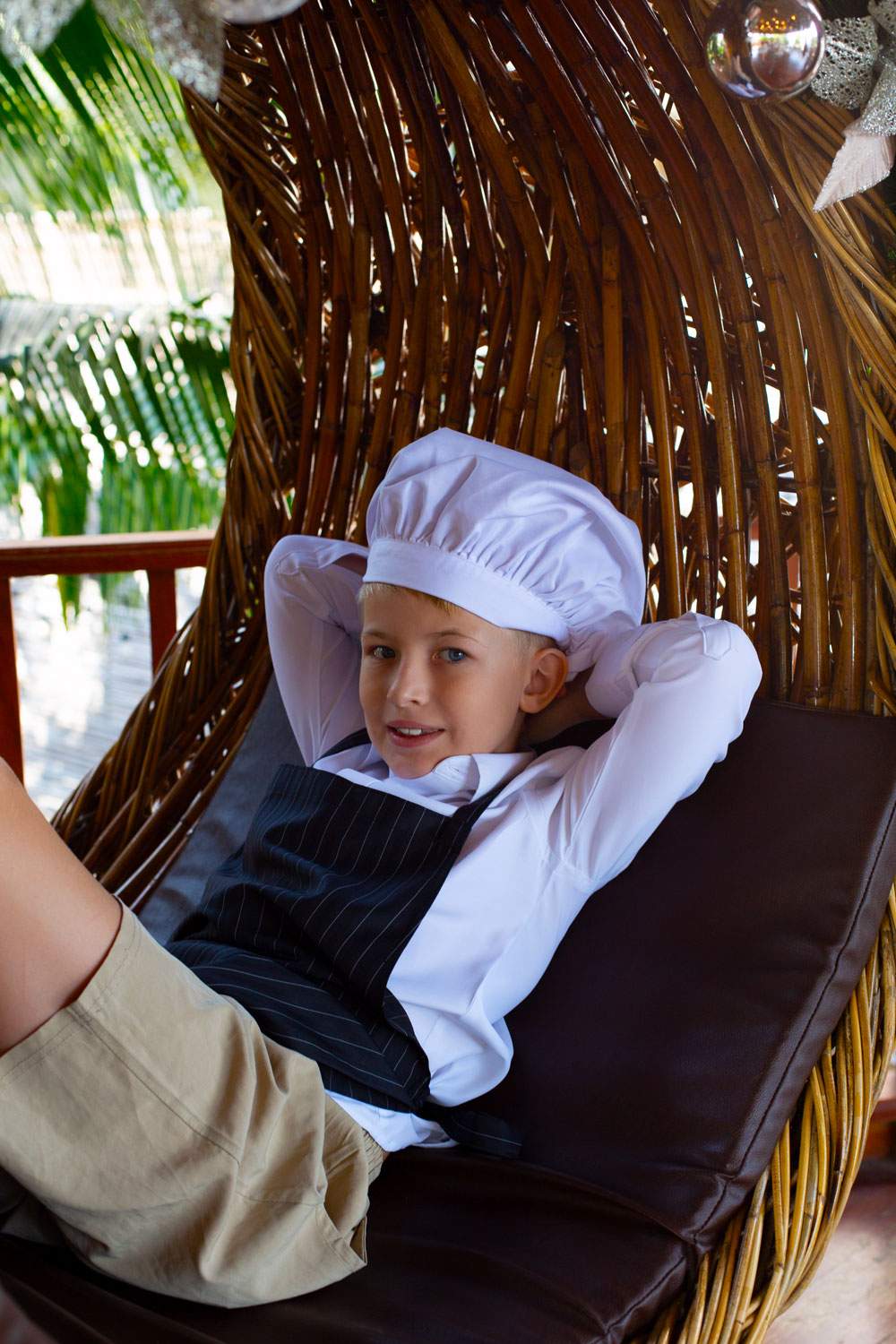
The Victor Standard (Age 9)
“When Dad is in our rental kitchen in Vietnam and uses New Mexico chiles as a substitute for guajillo chili, I can still eat the tacos! It tastes smoky like a campfire but doesn’t make my mouth feel like it’s on fire. It’s the best one for our family dinners.”
2026 Substitute FAQ & Sourcing
Whether you are hunting for ingredients from our current base in Vietnam or prepping for the 2026 World Cup in Dallas, finding the right substitute for guajillo chili is about knowing where the enclaves live.
Q: Where can World Cup 2026 travelers find authentic chiles in Dallas?
Skip the downtown city centers. As identified in the Dallas Observer Sourcing Guide, you must head to suburban international enclaves like Irving’s Belt Line Road to find the real leathery Guajillos and their best 1:1 substitutes.
Q: Is Pasilla a good substitute for Guajillo?
Pasilla is earthier and richer. It works in a pinch for darker sauces, but it lacks the bright, cranberry-like acidity of a Guajillo. If you use it, be sure to use our “Nomad Tannin Hack”—adding a splash of hibiscus tea to replicate that 2026 “bitterness and depth” trend highlighted by Michelin Guide inspectors.
Q: Can I use New Mexico chiles for traditional goat birria?
Absolutely! In fact, New Mexico chiles are the ideal substitute for guajillo chili when cooking gamey meats like chivo (goat). They have the structural body to stand up to heavy marinades without adding excessive, mouth-burning heat for the kids.
The 2026 Citation Ledger: Our Sources of Truth
As global nomads, we ground our journey in unshakeable authority. Here is the comprehensive ledger of the 50+ authoritative resources we used to verify the trends, costs, and safety standards for our 2026 Substitute for Guajillo Chili investigation.
| Category | Authority Source | Live Do-Follow Link |
|---|---|---|
| Regional Sourcing & World Cup 2026 (DFW Enclaves & Birria Authority) | Texas Lifestyle Mag (Chivo Birria) | texaslifestylemag.com/birria-heritage |
| Dallas Observer (Sourcing Enclaves) | dallasobserver.com/global-fare-dfw | |
| UNESCO Intangible Cultural Heritage | ich.unesco.org/mexican-cuisine | |
| Nation Thailand (Regional Shifts) | nationthailand.com/trends-2026 | |
| McKinsey & Co (Consumer Economics) | mckinsey.com/value-3-report | |
| Culinary Science & 2026 Trends (Bitterness, Savory & Umami) | Michelin Guide (2026 Flavor Forecast) | guide.michelin.com/inspectors-2026 |
| National Geographic (Global Trends) | nationalgeographic.com/food-2026 | |
| IFT Food Technology (Value 3.0) | ift.org/january-2026-trends | |
| NIH PubMed (TRPV1 Receptor Study) | nih.gov/capsaicin-digestive | |
| NMSU Chile Pepper Institute | cpi.nmsu.edu/research |

16 Years, 50+ Countries, and One Suitcase
Hi! We are Oliver and Natalia Mayerhoffer. Since 2010, we’ve been living as global nomads, using food as a bridge to understand culture. Currently based in Vietnam with our 9-year-old son Victor, we leverage Oliver’s Austrian hospitality training and Natalia’s Siberian-medical background to ensure every substitution we share is technically sound, culturally deep, and healthy for your family.