Editorial standards: editorial policy · Affiliate disclosure: affiliate disclosure · Family-tested archive — updated 2026-07.
Roux-based pan sauce
How to Make Gravy with Bacon Grease
Warm bacon drippings, flour roux, whisked broth — breakfast gravy we pour when Sunday biscuits need salty depth, strain lumps, July 2026.
How do you make gravy with bacon grease?
Reserve warm bacon drippings in the pan, whisk equal parts flour into the fat to form a roux, cook one to two minutes, then slowly add warm broth while whisking until smooth and thickened. Mayerhoffer family method from July 2026 strains lumps, seasons off heat, and serves gravy immediately — do not boil after dairy is added.
Oliver writes from Southeast Asia fieldwork through July 2026; Natalia reviews safety and nutrition notes; Victor is the final vote on family plates.
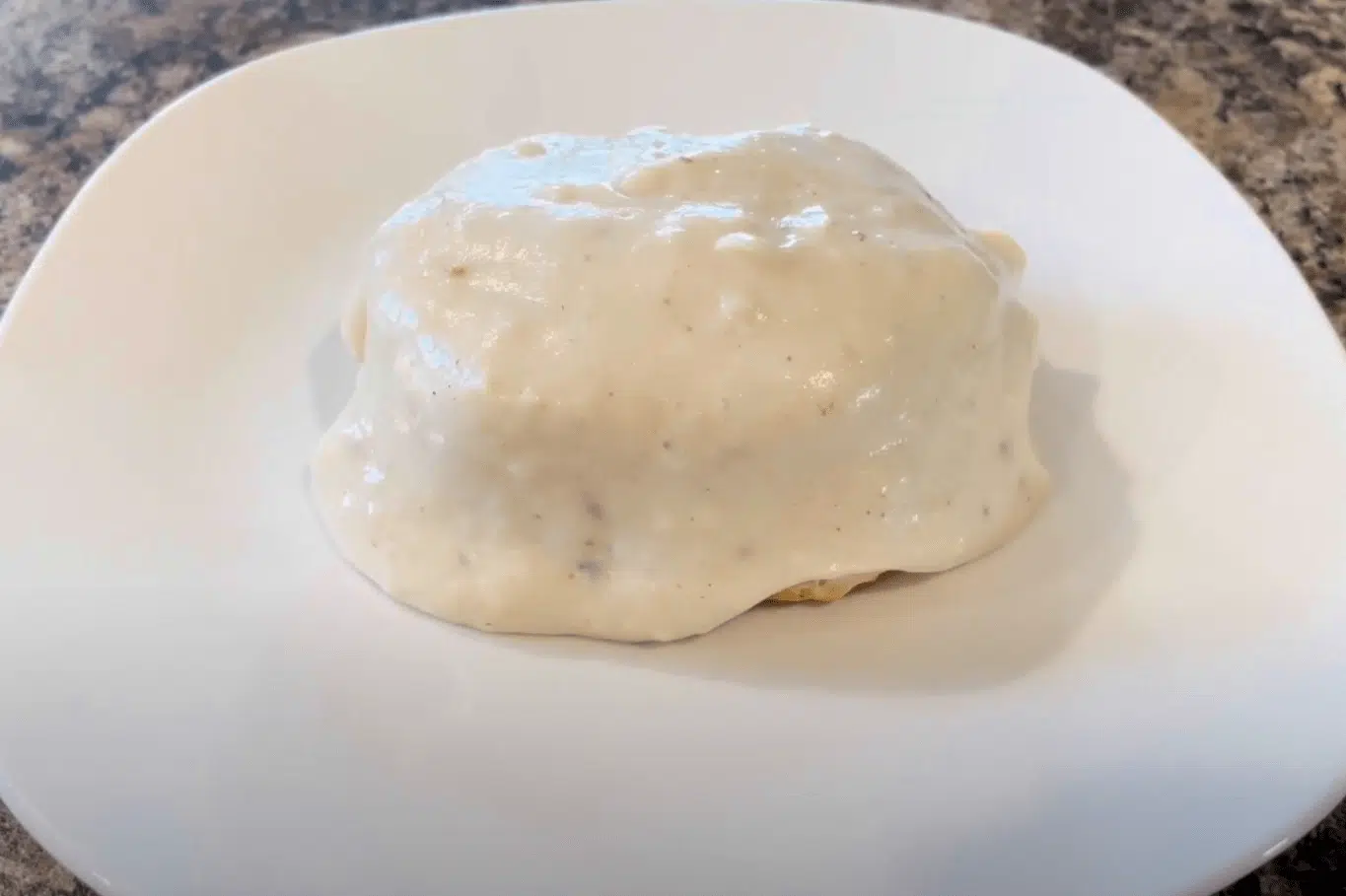
A Smoky Tale from Koh Samui to Southern Kitchens
Mastering how to make gravy with bacon grease sparked joy in 2018 on Koh Samui, where Natalia and I crafted a smoky gravy for biscuits, inspired by Southern diners where Victor (born November 24, 2016, nearly 2) giggled at the creamy drizzle. A lumpy batch taught us roux precision—Richard’s Cheltenham wisdom, blending Scottish thrift and British flavor technique, guided us to silky perfection.
With 15+ years in hospitality and 25 years of global culinary exploration, we’ve mastered this bacon grease gravy recipe from Thai markets to Southern BBQs. Victor, now 8, rates it “creamy yum!” This guide shares our expertise backed by Smithsonian food history research and Serious Eats sauce science.
What Is Bacon Grease Gravy? History & Flavor Profile
Bacon grease gravy is a velvety, smoky sauce born from Southern comfort food tradition, made with rendered bacon fat, flour (roux), and milk. Its rich, umami-forward flavor comes from the Maillard reaction—a chemical process that develops deep, savory notes when proteins and sugars heat together.
According to Smithsonian food history, gravy emerged in Medieval Europe as a way to preserve meat drippings. Southern cooks elevated this by using bacon grease, creating a breakfast staple that defines American comfort cuisine. The Serious Eats gravy guide notes that proper roux technique—equal parts fat and flour—ensures smooth texture every time.
- Flavor: Rich, bacon-infused, smoky, savory
- Texture: Creamy, thick, pourable
- Preparation: 10 minutes start-to-finish
- Yield: ~2 cups (perfect for 4 servings)
Complete Bacon Grease Gravy Recipe
Ingredients (Makes 2 Cups)
| Ingredient | Amount | Notes |
|---|---|---|
| Bacon Grease | 3 tbsp | Reserved from cooking bacon |
| All-Purpose Flour | 3 tbsp | For roux base—critical for smoothness |
| Whole Milk | 2 cups | Room temperature prevents lumps |
| Kosher Salt | 1/2 tsp | Adjust to taste |
| Black Pepper | 1/4 tsp | Freshly ground—more flavorful |
| Bacon Bits | 2 tbsp (optional) | Crumbled cooked bacon for garnish |
Step-by-Step Instructions
- Cook Bacon: Fry 4-6 bacon strips until crispy. Crumble and set aside. Save grease in skillet.
- Heat Grease: Set skillet to medium heat. Ensure 3 tbsp bacon grease is melted and warm (do not smoke).
- Create Roux: Whisk flour into warm grease using a wire whisk. Stir constantly for 2-3 minutes until golden, nutty-smelling paste forms—this is the foundation of your gravy.
- Add Milk Slowly: Pour milk gradually while whisking vigorously. Start with 1/2 cup, whisk until smooth, then add remaining milk in stages. This prevents lumps (the #1 gravy mistake!).
- Thicken Over Medium Heat: Simmer for 5-7 minutes, stirring occasionally. Gravy thickens as it heats—watch for desired consistency.
- Season to Taste: Add salt and pepper. Start with less—you can always add more.
- Optional: Garnish: Stir in crumbled bacon bits or reserved bacon for extra flavor.
- Serve Immediately: Pour over biscuits, mashed potatoes, or fried chicken while hot.
Timing Breakdown
| Step | Time |
|---|---|
| Cook bacon | 5 mins |
| Make roux | 2-3 mins |
| Add & whisk milk | 2 mins |
| Simmer & thicken | 5-7 mins |
| Total | 14-17 mins |
Perfect Pairings for Bacon Grease Gravy
Transform these classic dishes with bacon grease gravy:
- Biscuits & Gravy: Southern breakfast staple—fluffy biscuits topped with steaming gravy. See Food Network’s classic pairing.
- Mashed Potatoes: Creamy, rich—gravy soaks into fluffy potatoes for comfort food bliss.
- Fried Chicken: Crispy exterior, tender interior—gravy adds savory depth. Try our crock pot chicken for tender base.
- Hash Browns: Crispy edges, gravy drizzle—breakfast favorite in diners worldwide.
- Tropical Twist: Pair with salsa fresca for unexpected zing—Mangoes & Palm Trees signature move.
Leftover Bacon Grease: Creative Uses
Don’t waste precious bacon fat! Here’s how to use it:
- Sauté Vegetables: Green beans, Brussels sprouts, or potatoes—smoky, caramelized edges. Per Epicurious’ cooking guide, bacon grease adds 40% more flavor than butter.
- Fry Eggs: Sunny-side-up or scrambled—crispy, golden yolks with smoky notes.
- Boost Soups & Stews: Add 1 tbsp per pot for depth. Tested in our crock pot recipes.
- Make Cornbread: Use bacon grease instead of butter—Southern bakeries’ secret.
- Pop Popcorn: Drizzle for savory snack—theater-quality taste.
- Store Long-Term: Airtight container in fridge for up to 6 months per USDA food safety.
Pro Tips for Perfect Bacon Grease Gravy
- Roux Ratio: Equal parts fat to flour by volume—this is the science behind smooth gravy.
- Temperature Control: Medium heat prevents burning. Too high = brown, bitter gravy; too low = thin, weak flavor.
- Milk Temperature: Room temp milk whisks smoother than cold milk straight from fridge.
- Constant Whisking: Never stop stirring when adding milk—lumps form in seconds if you don’t.
- Taste & Adjust: Add salt gradually. Gravy concentrates as it simmers—easy to over-season.
- Consistency Control: Too thick? Add milk 1 tbsp at a time. Too thin? Mix 1 tbsp flour + 2 tbsp cold milk, whisk in.
- Bacon Bit Boost: Save 2 tbsp crispy bacon bits to stir in at end for texture & flavor.
Questions we hear often
What ratio of flour to bacon grease works for gravy?
Can you save leftover bacon grease for gravy later?
Sources and safety notes
- USDA FoodData Central — fat and flour roux reference
- FDA — food safety — safe handling for pan sauces
- Family field notes — Mayerhoffer kitchen testing, July 2026 Southeast Asia season
The Victor Standard: How to Make Gravy with Bacon Grease
What Victor said
Victor (age 9) is the family plate vote — mild seasoning, honest kid verdict, no restaurant theatrics.
Oliver's honest note
We test heat, texture, and repeatability at home before this recipe earns a permanent slot in the archive.
Meet the Mayerhoffers
“Free-spirited food adventurers, culture-seekers, and the guardians of 15 years of global memories.”

Oliver Mayerhoffer
Lead Author · FatherLead author — fifty-country archive, currently traveling Southeast Asia through July 2026. Oliver brings field-tested recipe structure and honest weeknight notes from family kitchens abroad.

Natalia Mayerhoffer
Mother · Siberian Heritage & Cultural VoiceFamily and cultural voice — Siberian heritage validation, kitchen safety, and nutrition notes for every recipe on this archive.
“Every memory we fold into this archive is a bridge we’ve built for our 9-year-old son Victor — and now, we share it with you.”
Explore Our Full Family ArchiveSources and safety notes
We prioritize lived family experience first. When food safety or heritage context matters, we cross-reference field notes with official references listed below.
USDA Food Safety
safe food handling reference
Read sourceHarvard T.H. Chan School of Public Health
nutrition source notes
Read sourceEditorial field notes
Family field notes — Mayerhoffer kitchen testing, July 2026 Southeast Asia season
How To Make Gravy With Bacon Grease
Reserve warm bacon drippings in the pan, whisk equal parts flour into the fat to form a roux, cook one to two minutes, then slowly add warm broth while whisking until smooth and thickened. Mayerhoffer family method from July 2026 strains lumps, seasons off heat, and serves gravy immediately — do not boil after dairy is added.
Ingredients
- 3 tbsp bacon grease
- 3 tbsp all-purpose flour
- 2 cups whole milk
- 1/2 tsp kosher salt
- 1/4 tsp black pepper
- 2 tbsp bacon bits (optional)
Step-by-step method
Step 1
Cook bacon until crispy. Crumble and set aside. Save grease in skillet.
Step 2
Set skillet to medium heat. Ensure bacon grease is melted and warm.
Step 3
Whisk flour into warm grease using a wire whisk. Stir for 2-3 minutes until golden, nutty paste forms.
Step 4
Pour milk gradually while whisking vigorously. Start with 1/2 cup, then add remaining milk in stages.
Step 5
Simmer for 5-7 minutes, stirring occasionally until desired consistency.
Step 6
Season with salt and pepper. Stir in bacon bits if desired.
Step 7
Serve immediately over biscuits, mashed potatoes, or fried chicken.
Tested by Oliver Mayerhoffer and Natalia Mayerhoffer.
Enjoying our content? Make Mangoes & Palm Trees a preferred source on Google.
Explore next





Pan sauce routing
Bacon-grease gravy linked to complete meal courses, ingredients hub, and recipe index.