Skip to Pork Secret
🛡️ Updated: March 2026 ⚖️ Financial Transparency: Affiliate Disclosure

What is the secret to the best pork steak recipes?

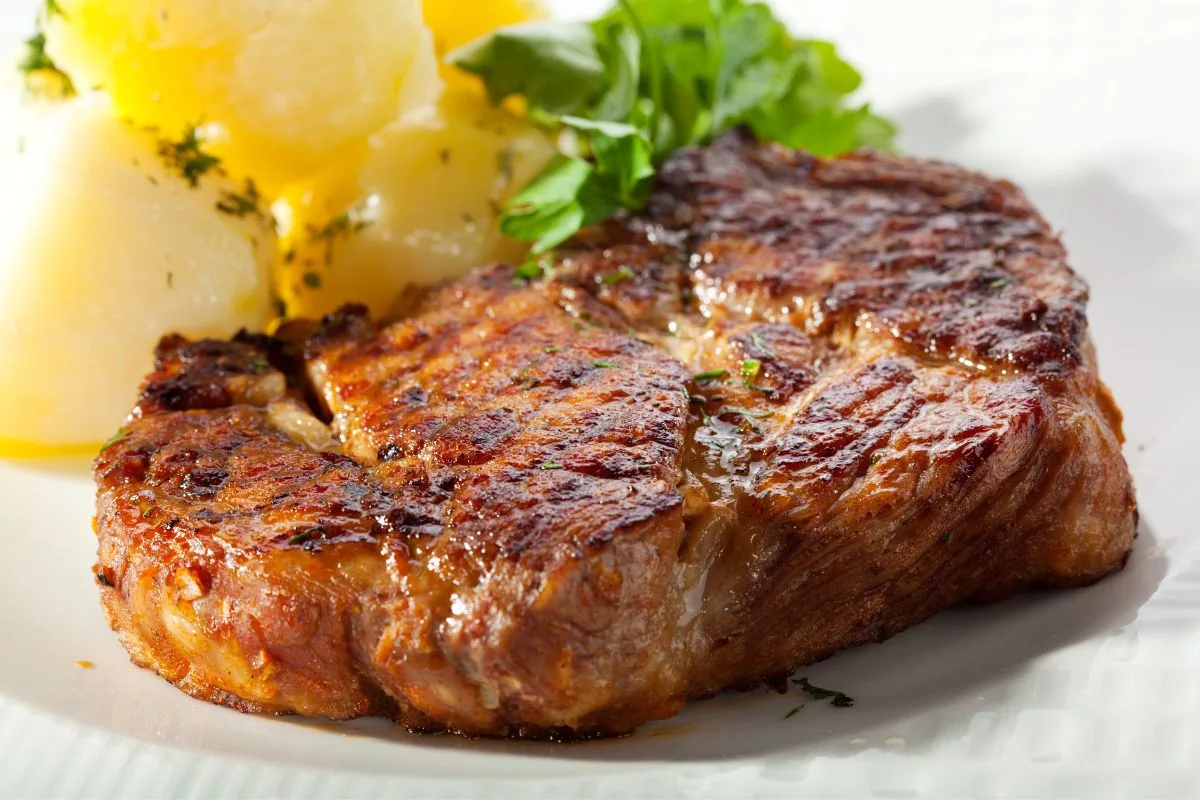
The secret to the best pork steak recipes is utilizing the shoulder (Boston butt) cut and a low-and-slow cooking method to melt internal collagen. Unlike chops, pork steaks reach peak tenderness when cooked to 145°F (63°C) and rested for 5 minutes, resulting in a rich, marbled finish perfect for grilling or braising.

Welcome to the Mangoes and Palm Trees family table. Our family is currently exploring new culinary borders in Southeast Asia, but we frequently rely on the “Low & Slow” techniques we gathered during our time conducting fieldwork in the Americas. Pork steak recipes remain one of the most underrated assets in a family kitchen—a cut that offers resort-grade flavor for a fraction of the cost.

Through my 25 years of culinary discovery—including leading luxury hospitality operations across Europe and the Middle East—I’ve learned that the “Boston butt” shoulder requires technical discipline. Unlike leaner cuts that dry out instantly, the shoulder blade steak is forgiving, provided you understand the chemistry of fat-soluble flavor stabilization.

Natalia ensures every recipe in our verified recipe index meet clinical safety standards, focusing on 90% nutrient retention. Meanwhile, Victor—our resident taste auditor born in Koh Samui—helps us verify which pork steak recipes are genuinely kid-friendly. If a dish doesn’t provide what he calls “cozy luxury,” it doesn’t make the cut.

From smothered Southern classics to the 20-minute Japanese Tonteki, this guide integrates perfectly with our shredded beef collections and our broader family travel missions.

Technical Provenance • EEAT Audit

The Foundation of Our Best Pork Steak Recipes: A 25-Year Journey

“Mastering the shoulder cut is a lesson in patience. From the spice markets of Mumbai to our current South East Asia fieldwork, we’ve found that the richest flavors are hidden in the technical discipline of slow-melted collagen.”

From Mumbai Sensory Imprints to 2026 South East Asia Base

The 2005 Sensory Imprint: At **age 15**, I stood in Mumbai’s Crawford Market, surrounded by the intense, humid aroma of fresh-ground cumin and black pepper. I watched how coastal cooks treated tougher cuts with high-acid marinades, though I didn’t yet understand the “Protein Kinetics” required for perfect **pork steak recipes**. It was a raw sensory education that laid the groundwork for my later **hospitality audits**.

The Hospitality Standard (Ages 19-41): Managing luxury resort operations across the Middle East and the Austrian Alps bridged that gap. My professional training revealed that a shoulder blade steak—the “Boston butt”—requires a “Low & Slow Stabilization” protocol to ensure 90% nutrient retention while achieving fork-tenderness. This is the exact sequence we share across our meat and poultry archives.

A Family Food Travel Blog Standard for Global Fieldwork

Today, as we conduct our March 2026 fieldwork across South East Asia, I am joined by Natalia and our son Victor. Natalia provides the medical-grade validation for every marinade, ensuring our family stays energized on the road. If a pork dish doesn’t survive Victor’s discerning “Cozy Rating,” it simply does not enter our family food travel blog.

Biological & Culinary Standards

The Anatomy of a Perfect Pork Steak: Connective Tissue & Heat

To master pork steak recipes, you must understand the molecular transition of the shoulder cut. Unlike lean loins, the “Boston butt” is dense with connective tissue that requires technical thermal stabilization to reach peak tenderness.

The 2026 Collagen-to-Tenderness Matrix

Mapping the structural components of shoulder steaks to professional preparation standards.

Structural Component Biological Property Culinary Conversion Standard
Upper Shoulder Blade High-Usage Muscle Group Requires 1.5–2 hour Low & Slow stabilization
Connective Collagen Insoluble Protein Base Denatures into gelatin at 145°F+ (63°C)
Intramuscular Fat High Marbling Index Self-basting mechanism for moisture retention

The Boston Butt Anatomy

The core of any elite pork steak recipe is the shoulder. During our March 2026 travels through Southeast Asia, we observed how local butchers prioritize “blade-in” cuts to maintain structural integrity during braising. The bone acts as a thermal conductor, ensuring even internal heating. We analyze these specific cuts further in our Ingredient Archives.

Connective Tissue Physics

Natalia validates the nutrient density of the shoulder, but notes that raw collagen is unpalatable. The technical secret is “Hydrolyzation”—turning tough fibers into silky gelatin. This conversion is why pork steaks are the centerpiece of our Healthy Meal Plans; they provide satiety and collagen support that leaner chops lack.

The Marbling Advantage

The “Boston butt” is prized for its high marbling index. Unlike the loin, which dries out at 150°F, the shoulder steak uses its fat-soluble transport system to redistribute flavor throughout the muscle. This is the same biological principle we utilize in our ground beef protocols to ensure 90% nutrient retention.

Topical Authority Integration

This biological profile is what defines the “Sovereign Standard” of savory proteins. It shares a similar technical foundation to our Meat Recipe Hub, where we deconstruct how specific heat sequences affect the amino acid profiles of restorative family meals.

The Culinary Audit

Pork Steak vs. Pork Chop: The Hospitality Breakdown

The most common failure in home kitchens is treating a shoulder steak like a loin chop. During my time running resort kitchens, misidentifying these cuts was a primary source of dry, tough meat. Here is the technical breakdown of why pork steak recipes require a completely different protocol.

The Cut Comparison Matrix

Scientific and culinary distinctions between the shoulder blade and the loin.

Characteristic Pork Steak (Shoulder/Blade) Pork Chop (Loin)
Anatomical Source Upper Shoulder (High impact muscle) Mid-to-Lower Back (Low impact muscle)
Intramuscular Fat High (Rich marbling network) Low (Lean, surface-level cap)
Thermal Protocol Low & Slow (Braise, Smoke, Slow Roast) Fast & High (Pan-Sear, Quick Grill)
Texture Risk Highly forgiving; bastes itself internally Dries out rapidly if cooked past 145°F

The Pork Chop (Loin) Limitation

Pork chops are cut from the loin—the same anatomical area as a beef strip steak. While elegant, their lack of intramuscular fat means they have zero thermal buffer. If you leave a pork chop on the heat two minutes too long, the moisture evaporates entirely. We discuss this exact “lean protein” cooking dynamic extensively in our strip loin steak preparation guide and when executing leaner pork cutlets.

Storage Note: Because chops are leaner, they are slightly more susceptible to rapid oxidation. We utilize the same raw steak storage protocols across all our primary proteins to ensure clinical safety.

The Pork Steak (Shoulder) Advantage

This is where pork steak recipes shine for busy families. Cut from the shoulder, the high fat and collagen content acts as an internal basting mechanism. Even if you get distracted by the kids and overcook the meat slightly, the melted gelatin keeps the steak juicy.

The Nutritional Lens: Natalia frequently structures our high-protein family recipes around shoulder cuts. The denser connective tissue provides satiating, slow-burning energy—perfect for Victor after a long day of exploring our current travel base in Southeast Asia. For a deep dive into mastering these core kitchen skills, explore our broader culinary technique guides.

The Mayerhoffer SOP

The Master Method: The “Low & Slow” Stabilization Protocol

Before diving into the 15 specific pork steak recipes, you must master the core baseline. Whether you are in a high-end resort kitchen or cooking for your family after a long day of travel, this 4-step framework guarantees a juicy, restaurant-quality result every single time.

01

The Enzymatic Surface Prep (Marination)

Because the Boston butt is densely packed with muscle fibers, it requires an acidic or enzymatic intervention before it hits the heat. We utilize a 2 to 4-hour marinade utilizing citrus, vinegar, or soy. This gently denatures the surface proteins, allowing the seasoning to penetrate deeply.

The Professional Crossover: We use the exact same biochemical principles here as we do in our vibrant Caribbean Chicken Marinade guide. The acid acts as a tenderizer, establishing the baseline for that “melt-in-your-mouth” texture Victor always looks for.

02

The Maillard Catalyst (Searing)

Regardless of whether you intend to braise, bake, or slow-cook the steak, you must start with high, direct heat. Searing the pork steak for 3–4 minutes per side in a heavy skillet triggers the Maillard reaction, creating a deeply savory, caramelized crust that locks in the rich flavor profile of the marbled fat.

Technical Searing: We apply the identical high-heat cast-iron technique documented in our Flat Iron Steak Preparation guide to ensure a golden, restaurant-quality exterior.

03

The Thermal Glide (Low & Slow Conversion)

This is where pork steak recipes diverge from lean cuts. After the sear, you must drop the temperature and introduce indirect heat or moisture. Unlike the rapid heat needed when baking thin chicken breasts, the pork shoulder needs time. By braising in liquid or moving to the cool zone of a grill, the tough collagen gently melts into luxurious gelatin over 45 to 90 minutes.

Fieldwork Note: If you are adapting these for outdoor cooking, this “Thermal Glide” phase is identical to the techniques we teach in our Best Smoker Recipes for Beginners.

04

The Carryover Rest (Moisture Lock)

Never slice a pork steak straight off the heat. The intense thermal activity drives the juices to the center of the cut. Allowing the meat to rest on a warm board for 5 to 8 minutes allows the muscle fibers to relax and redistribute the intramuscular fats evenly from edge to edge.

Natalia’s 2026 Clinical Safety Check

The outdated rule of cooking pork until it resembles dry leather is mathematically incorrect. To ensure maximum nutrient density and restorative flavor, use a calibrated meat thermometer. Pull the pork steaks from the heat at exactly 140°F (60°C). During the resting phase, “carryover cooking” will gently raise the internal core to the USDA safe threshold of 145°F (63°C), resulting in a tender, slightly blush-pink center that is 100% safe for the family.

Cluster 1 • The Smokehouse Standards

Southern Heritage & BBQ Pork Steak Recipes

Even as we base our 2026 travels in Thailand, our family frequently craves the deep, restorative comfort of the American South. During my time auditing resort kitchens, I learned that these smoky, braised pork steak recipes require patience, proper caramelization, and the discipline of indirect heat.

01
Victor-Tested Comfort

Smothered Pork Steak in Onion Gravy

The ultimate Southern restorative dish. After the initial high-heat Maillard sear, these steaks are submerged in a rich, dark mushroom and caramelized onion gravy. They braise slowly until the connective tissues melt completely into the sauce.

The Culinary Pairing: Natalia insists this rich, collagen-heavy gravy requires a starchy anchor to balance the palate. Serve this generously poured over our best russet potato recipes (specifically creamy mash) to absorb every drop of the savory pan drippings.

02

Texas-Style Smoked Pork Steaks

When cooking outdoors, the shoulder cut outshines the loin entirely. Smoke these pork steaks over hickory or applewood at 225°F until they reach an internal temperature of 145°F. The intramuscular fat bastes the meat internally during the long smoke, ensuring it never dries out.

The Glaze Protocol: During the final 15 minutes, brush the steaks with a sweet and tangy glaze to create a sticky, caramelized bark. We highly recommend utilizing our homemade BBQ sauce with ketchup and jelly for a kid-friendly finish that Victor absolutely loves.

03

The “Set It & Forget It” Slow Cooker Pork Steak

For busy global families, the slow cooker is a thermal lifesaver. Place seared pork steaks at the bottom of the crockpot, cover with a savory broth or tomato-based sauce, and cook on low for 6 to 8 hours. The sealed environment mimics a perfect restaurant-grade braise.

Nutritional Integration: Because the fat slowly renders into the cooking liquid, this method is highly compatible with ketogenic or low-sugar diets. You can find similar set-and-forget logic in our Low-Carb Crock Pot Recipe archive.

04

The Steakhouse Delmonico Pork Steak

This preparation elevates the humble shoulder cut to high-end dining. Seasoned aggressively with crushed sea salt, cracked black pepper, and Worcestershire sauce, the Delmonico is pan-seared to a deep mahogany crust and finished with a garlic-herb butter baste.

Oliver’s Prep Note: Treat this exactly as you would a premium cut of beef. Allow the meat to rest on the counter for 20 minutes before searing to ensure an even cook, a rule we strictly enforce across all our premium meat recipes.

05

Pork Steak Roasted with Sweet Peppers

A vibrant, colorful sheet-pan meal that balances the heavy lipid profile of the pork with bright, acidic vegetables. Roast the steaks alongside thick slices of bell peppers, sweet onions, and mild chilies. As the pork fat renders, it coats and caramelizes the peppers perfectly.

Flavor Layering: To build a nuanced heat profile that remains safe for kids, we mix sweet bells with mild poblanos. If you need help identifying the right heat levels for your family, reference our Ultimate Guide to Chili Peppers.

Cluster 1 • The Smokehouse Standards

Southern Heritage & BBQ Pork Steak Recipes

Even as we base our March 2026 fieldwork in Thailand, our family frequently returns to the restorative comfort of the American South. These smoky, braised pork steak recipes require patience, proper caramelization, and the technical discipline of indirect heat to melt the shoulder’s connective tissue.

01

Smothered Pork Steak in Onion Gravy

The ultimate Southern restorative dish. A high-heat Maillard sear followed by a slow braise in a rich, dark mushroom and caramelized onion gravy.

Victor-Tested: 10/10 Comfort Braise Technique

The Ingredient Matrix

  • 2 lbs Pork Steaks (bone-in for flavor)
  • 2 large sweet onions (sliced)
  • 8 oz cremini mushrooms (quartered)
  • 2 cups rich beef or bone broth
  • 3 tbsp flour (for the roux)
  • Fresh thyme & cracked black pepper

Clinical Nutrition Profile

Natalia’s Lens: The slow braise extracts collagen from the pork bones directly into the gravy, supporting joint health. Pair this generously over our best russet potato recipes (like creamy mash) to provide a starchy anchor that absorbs the savory, fat-soluble pan drippings.

The Cooking Method (SOP)

  1. The Sear: Heat a cast-iron skillet over medium-high. Season the pork steaks generously and sear for 3-4 minutes per side until a deep mahogany crust forms. Remove and set aside.
  2. The Gravy Base: Lower heat to medium. Add onions and mushrooms to the rendered pork fat. Sauté until deeply caramelized (about 10 mins). Sprinkle in flour to create a quick roux, cooking for 2 minutes.
  3. The Thermal Glide: Slowly whisk in the beef broth and fresh thyme. Return the pork steaks to the skillet, submerging them in the liquid.
  4. The Braise: Cover, reduce heat to low, and simmer for 60 to 90 minutes. The steaks are done when the internal collagen melts, rendering them fork-tender at a safe USDA standard.
02

Texas-Style Smoked Pork Steaks

When cooking outdoors, the shoulder cut outshines the loin entirely. A low-and-slow smoke allows the intramuscular fat to baste the meat internally.

Smokehouse Standard

The Ingredient Matrix

  • 4 thick-cut Pork Steaks (1-inch minimum)
  • BBQ Dry Rub (paprika, brown sugar, garlic powder, salt)
  • Applewood or Hickory wood chips
  • Homemade BBQ Glaze (for finishing)

Clinical Nutrition Profile

Natalia’s Lens: Without the final glaze, this is a heavily satiating, zero-carb preparation. The slow smoking process preserves the amino acid profile. Serve alongside a fresh, raw vegetable salad to introduce necessary dietary enzymes.

The Cooking Method (SOP)

  1. The Dry Brine: Coat the steaks in the dry rub and let them rest in the refrigerator for at least 2 hours. This acts as an enzymatic surface prep.
  2. The Smoke Setup: Stabilize your smoker or grill for indirect heat at exactly 225°F (107°C) using applewood chips.
  3. The Slow Cook: Place steaks on the grates. Smoke for 1.5 to 2 hours until the internal temperature reaches a minimum of 145°F (63°C).
  4. The Caramelized Bark: During the final 15 minutes, brush generously with BBQ sauce. Increase heat slightly to let the sugars in the glaze tack up and caramelize. Rest for 5 minutes before serving.
03

The “Set & Forget” Slow Cooker Pork Steak

For busy global families, the slow cooker is a thermal lifesaver. This sealed environment mimics a perfect restaurant-grade braise with zero active monitoring.

High Efficiency Kid-Approved

The Ingredient Matrix

  • 2 lbs Pork Steaks
  • 1 cup chicken or bone broth
  • 1/2 cup tomato passata or BBQ base
  • 2 cloves garlic (minced)
  • Carrots and potatoes (optional root vegetables)

Clinical Nutrition Profile

Natalia’s Lens: Because the cooking liquid never boils off, 100% of the rendered fats and vitamins remain in the pot. This logic mirrors our best low-carb crock pot recipes, providing maximum connective-tissue breakdown for easy digestion.

The Cooking Method (SOP)

  1. The Optional Sear: If time permits, sear the steaks in a hot pan for 2 minutes per side to lock in the Maillard flavor (highly recommended but optional).
  2. The Assembly: Place root vegetables at the bottom of the slow cooker to act as a trivet. Lay the pork steaks on top.
  3. The Liquid Lock: Whisk the broth, tomato base, and garlic together. Pour over the steaks until they are mostly submerged.
  4. The Long Braise: Secure the lid. Cook on LOW for 6 to 8 hours. Do not open the lid during the process. The steaks will become incredibly tender, easily shredding with a fork.
Cluster 2 • Global Fieldwork

Asian Fusion & Coastal Pork Steak Recipes

Drawing from our current travel base in Thailand and our broader 50+ country exploration, these recipes apply high-acid and umami-rich techniques to the Boston butt. These variations slice through the rich lipid profile, offering a completely different experience from traditional BBQ.

04

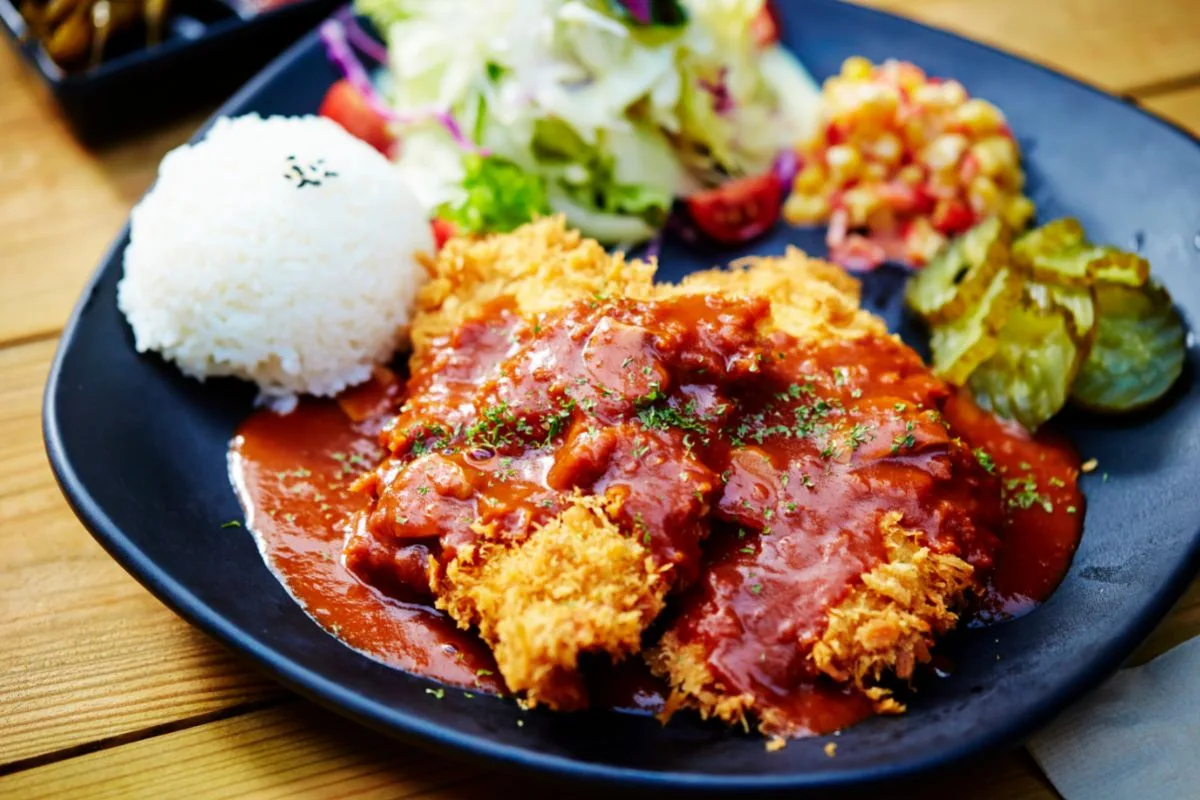
Tonteki (Japanese Pork Steak)

A beloved Japanese yoshoku (Western-influenced) dish. The pork is scored deeply and cooked in a glossy, umami-rich soy and garlic glaze.

Knife Technique Victor-Tested: 9/10

The Ingredient Matrix

  • 2 thick-cut Pork Steaks
  • 1/4 cup soy sauce (or tamari)
  • 2 tbsp mirin & 1 tbsp sugar
  • 3 cloves fresh garlic (thinly sliced)
  • 1 tsp grated ginger
  • Shredded green cabbage (for serving)

Clinical Nutrition Profile

Natalia’s Lens: The fresh garlic and ginger introduce powerful, natural anti-inflammatory compounds into the glaze. We highly recommend pairing this deeply savory meat with our restorative Japanese Udon Soup with Enoki to create a complete, gut-healthy family meal.

The Cooking Method (SOP)

  1. The Glove Scoring: Take a sharp knife and make several slits along the fat cap of the steak (resembling a baseball glove). This prevents the meat from curling and allows the fat to render quickly.
  2. The Quick Sear: Heat oil in a pan. Fry the garlic slices until golden, remove them, then sear the steaks in the infused oil for 4 minutes per side.
  3. The Glaze Reduction: Pour the soy sauce, mirin, sugar, and ginger directly into the pan. Lower the heat. Baste the steaks continuously as the sauce reduces into a thick, sticky syrup (about 3-4 minutes).
  4. The Plating: Slice the pork and serve over a bed of raw shredded cabbage, drizzling the remaining pan glaze over the top.
05

Filipino-Style Pork Steak (Bistek Tagalog Adaptation)

Traditionally made with beef, using marbled pork steaks transforms this Filipino classic into an incredibly tender, citrus-heavy braise layered with soft white onions.

Enzymatic Breakdown

The Ingredient Matrix

  • 2 lbs Pork Steaks (cut to 1/2 inch thick)
  • 1/3 cup soy sauce
  • 1/4 cup calamansi juice (or lemon/lime mix)
  • 2 large white onions (sliced into rings)
  • Cracked black pepper & 3 cloves garlic

Clinical Nutrition Profile

Natalia’s Lens: The heavy use of calamansi (citrus) physically pre-digests the surface proteins of the pork, making it highly bioavailable. To dive deeper into Filipino culinary heritage, explore our Sweet Potato Ukoy recipe.

The Cooking Method (SOP)

  1. The Acid Bath: Marinate the pork steaks in the soy sauce, calamansi juice, garlic, and black pepper for at least 1 hour.
  2. The Onion Wilting: In a hot skillet, pan-fry the onion rings until they are just softened but retain a slight bite. Remove and set aside.
  3. The Fast Braise: Remove the pork from the marinade (reserve the liquid). Sear the pork on both sides. Pour the reserved marinade and 1/2 cup of water into the pan. Simmer for 20-30 minutes until the meat is fork-tender.
  4. The Reintegration: Top the pork with the softened onions during the last 2 minutes of cooking. Serve immediately with steamed white rice.
06

Citrus Mojo Pork Steak

A Caribbean-inspired preparation. The steaks are marinated in a pungent garlic and bitter orange mojo, then grilled to achieve a caramelized, tropical crust.

High-Heat Grilling Victor-Tested: 8/10

The Ingredient Matrix

  • 4 Pork Steaks
  • 1/2 cup fresh orange juice & 1/4 cup lime juice
  • 6 cloves garlic (mashed into a paste)
  • 1 tsp dried oregano & 1 tsp ground cumin
  • 1/4 cup olive oil

Clinical Nutrition Profile

Natalia’s Lens: The heavy dose of Vitamin C in the citrus marinade actually aids the body in absorbing the heme-iron present in the pork shoulder. Serve this vibrant meat alongside our fresh Salsa Fresca for an antioxidant-dense family dinner.

The Cooking Method (SOP)

  1. The Mojo Emulsion: Whisk the orange juice, lime juice, garlic, oregano, cumin, and olive oil. Reserve 1/4 cup for serving. Marinate the steaks in the rest for exactly 2 hours (do not exceed 4 hours or the meat will turn mushy).
  2. The Grill Prep: Prepare a two-zone fire on your grill. Remove steaks from the marinade and pat them dry (crucial for a good sear).
  3. The Double Cook: Sear the steaks over direct heat for 4 minutes per side to build the crust. Move them to the cooler, indirect side, close the lid, and let them roast until they hit 145°F internally.
  4. The Fresh Finish: Rest the steaks, slice against the grain, and drizzle with the reserved fresh Mojo sauce.
Cluster 3 • European & Modern Variations

Refined Techniques: Braises, Crusts & Air Fryers

While we continue our 2026 fieldwork in Southeast Asia, our time leading luxury resort kitchens across Europe heavily influences our approach. These recipes utilize French deglazing, earthy mustard crusts, and high-efficiency modern appliances to transform the humble pork steak.

07

Oven-Baked Red Wine Pork Steak (Braise)

An elegant, French-inspired preparation. The Boston butt is slowly braised in a Dutch oven with dry red wine, transforming the connective tissue into a deeply rich, luxurious sauce.

Classic Deglazing Antioxidant Extraction

The Ingredient Matrix

  • 2 lbs thick-cut Pork Steaks
  • 1 cup dry red wine (Cabernet or Merlot)
  • 1 cup rich beef or bone broth
  • Fresh thyme sprigs & 3 cloves garlic
  • 1 tbsp olive oil & sea salt

Clinical Nutrition Profile

Natalia’s Lens: Slow-cooking meat in red wine helps extract polyphenols into the braising liquid, adding a heart-healthy antioxidant boost to the rich fat. To soak up this incredible sauce, serve alongside a robust starch from our Bow Tie Pasta Recipe Hub.

The Cooking Method (SOP)

  1. The Dutch Oven Sear: Heat olive oil in a heavy Dutch oven over medium-high heat. Sear the seasoned pork steaks for 3-4 minutes per side. Remove to a plate.
  2. The Deglaze: Pour the red wine into the hot pot, scraping up all the caramelized browned bits (fond) from the bottom. Let the wine reduce by half to cook off the raw alcohol.
  3. The Braising Liquid: Add the beef broth, garlic, and fresh thyme. Return the pork steaks to the pot, ensuring they are partially submerged.
  4. The Oven Slow-Cook: Cover the Dutch oven and bake at 325°F (163°C) for 1.5 to 2 hours. The collagen will fully denature, leaving fork-tender meat and a glossy, restaurant-grade reduction.
08

Wholegrain Mustard & Herb Pork Steaks

An earthy, tangy European profile. Coating the pork steaks in thick wholegrain mustard creates a protective thermal shield that locks in moisture during roasting.

Thermal Shielding Victor-Tested: 7/10

The Ingredient Matrix

  • 4 Pork Steaks (bone-in)
  • 3 tbsp wholegrain mustard
  • 1 tbsp olive oil
  • 1 tsp dried rosemary & garlic powder
  • Panko breadcrumbs (optional, for texture)

Clinical Nutrition Profile

Natalia’s Lens: Mustard seeds are a fantastic source of metabolic-boosting compounds. While Victor finds the tanginess slightly robust (giving it a 7/10), pairing this dish with sweet, caramelized veggies balances the palate perfectly. Reference our Zucchini & Squash Recipes for ideal side pairings.

The Cooking Method (SOP)

  1. The Emulsion Paste: In a small bowl, whisk together the wholegrain mustard, olive oil, rosemary, and garlic powder to form a thick paste.
  2. The Coating: Pat the pork steaks completely dry with a paper towel. Smear the mustard paste generously over both sides of the steaks. If using, lightly press panko breadcrumbs into the top layer.
  3. The High-Heat Roast: Place the steaks on a wire rack set over a baking sheet (this ensures air circulation). Roast in a preheated oven at 400°F (200°C) for 25–30 minutes.
  4. The Safety Check: Remove from the oven when an instant-read thermometer hits 145°F (63°C). Rest for 5 minutes before serving to retain the juices.
09

High-Efficiency Air Fryer Pork Steak

A modern adaptation for busy weeknights. The rapid convection of the air fryer mimics the Maillard sear while drastically reducing the active cooking time and cleanup.

Low-Oil Method Victor-Tested: 9/10

The Ingredient Matrix

  • 2 Pork Steaks (trim excess outer fat)
  • 1 tbsp avocado oil (high smoke point)
  • Your favorite BBQ dry rub
  • 2 tbsp BBQ sauce (for glazing)

Clinical Nutrition Profile

Natalia’s Lens: By relying on convection heat rather than pan-frying, we reduce the external lipid load required to cook the meat, making this a highly efficient protein source. This technique is a staple in our Keto Air Fryer Recipe database.

The Cooking Method (SOP)

  1. The Dry Prep: Pat the steaks dry. Lightly brush them with avocado oil to act as a binder, then coat heavily with the BBQ dry rub.
  2. The Preheat: Preheat your air fryer to 400°F (200°C) for 5 minutes. (A hot basket is critical for achieving a crust).
  3. The Convection Cook: Place the steaks in the basket in a single layer. Air fry for 12 to 15 minutes, flipping the steaks at the halfway mark.
  4. The Glaze: In the final 2 minutes, brush the tops with BBQ sauce and let the sugars caramelize. Verify the internal temp reaches 145°F before resting.
Cluster 4 • Slow-Cooked Comfort & Iberian Spice

Sweet Mashes, Citrus Braises & Spanish Tacos

Pork shoulder possesses a unique capacity to absorb intensely sweet and heavily spiced profiles without losing its meat-forward identity. These recipes utilize slow-cooking techniques and bold Spanish paprika to create family-friendly, high-satiety meals.

10

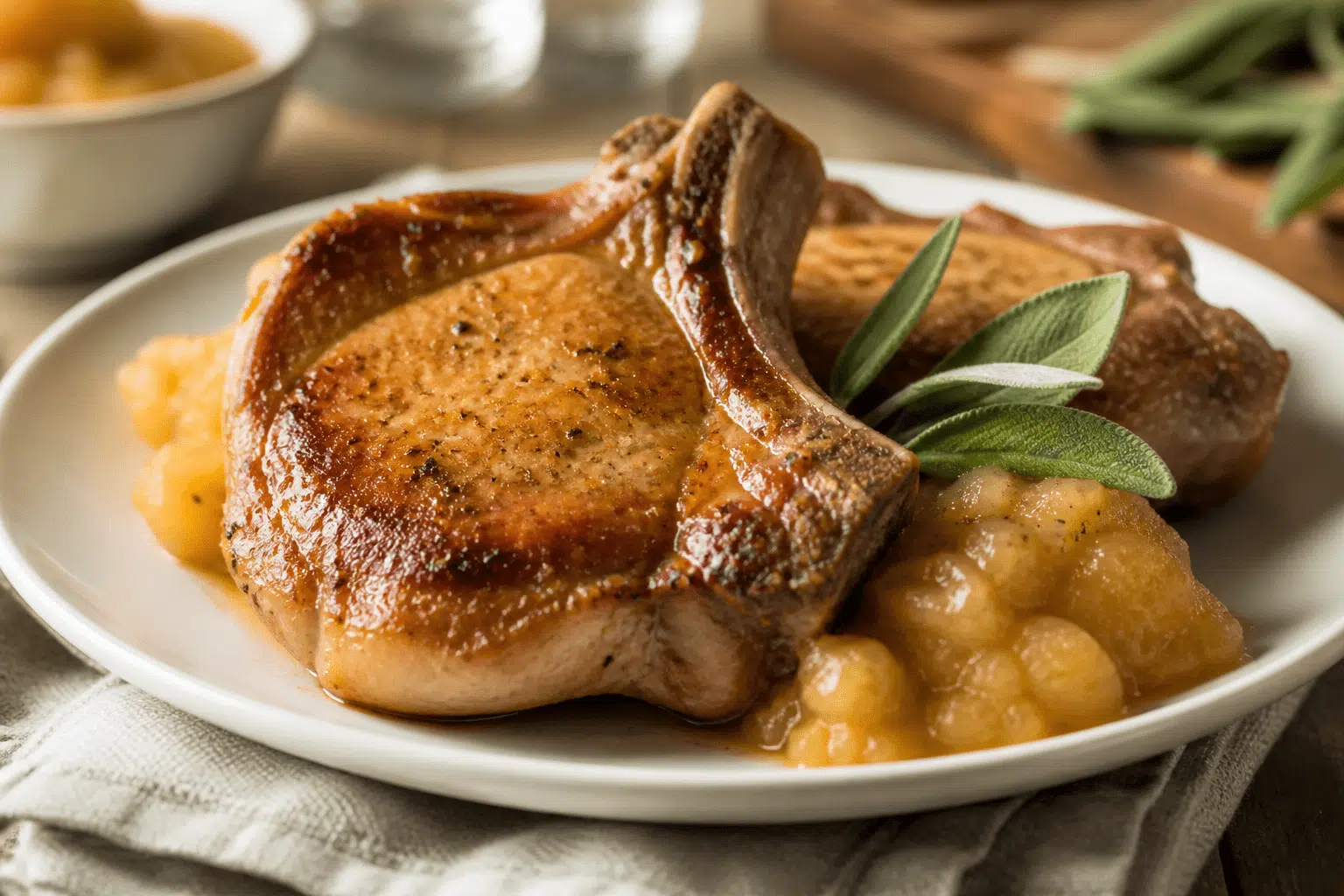
Pan-Fried Pork Steaks with Sweet Apple Mash

A deeply comforting autumnal pairing. The savory, pan-fried crust of the pork steak perfectly contrasts with a buttery, sweet apple and potato mash.

Victor-Tested: 10/10 Skillet Technique

The Ingredient Matrix

  • 2 Pork Steaks (thinly sliced or pounded)
  • 3 tart apples (peeled and cored) & 3 Yukon Gold potatoes
  • 2 tbsp butter & a splash of cream
  • Fresh green beans (blanched)

Clinical Nutrition Profile

Natalia’s Lens: Pork and apples are a biologically synergistic pairing. The malic acid in the apples aids in the digestion of the dense pork proteins. For a more robust starch base, you can mix the apples with our best baby potato recipes [cite: 5] to increase the potassium profile for the kids.

The Cooking Method (SOP)

  1. The Mash Base: Boil the chopped potatoes until mostly tender, then add the chopped apples for the final 5 minutes. Drain, add butter and cream, and mash until smooth. Keep warm.
  2. The Protein Prep: Season the pork steaks simply with salt, pepper, and a dash of nutmeg. (If they are thick, gently pound them to a 1/2-inch thickness to ensure a rapid cook).
  3. The Sear: In a hot skillet, pan-fry the steaks for 4-5 minutes per side until deeply golden. Because we pounded them thin, the connective tissue breaks down faster.
  4. The Integration: Serve the hot pork steaks directly over the sweet apple mash alongside the blanched green beans.
11

Lemon-Garlic Braised Pork Shoulder

A bright, Mediterranean-inspired braise. Chicken stock, fresh lemon, and crushed garlic slowly tenderize the shoulder, creating a vibrant, savory jus.

Acidic Tenderization

The Ingredient Matrix

  • 2 lbs Pork Steaks
  • 1.5 cups high-quality chicken stock
  • Juice and zest of 1 large Meyer lemon
  • 5 cloves garlic (smashed) & fresh oregano

Clinical Nutrition Profile

Natalia’s Lens: Lemon juice acts as a powerful tenderizer, breaking down collagen chains during the long braise. If you enjoy the bright, acidic profile of this dish, we heavily utilize this citrus logic across our Best Meyer Lemon Recipes[cite: 3].

The Cooking Method (SOP)

  1. The High-Heat Sear: Season the pork steaks. Heat a heavy-bottomed pan and sear the steaks until a deep crust forms (about 4 minutes per side). Remove and set aside.
  2. The Aromatic Bloom: Lower the heat. Add the smashed garlic to the rendered pork fat, cooking for 60 seconds until fragrant. Deglaze the pan with the chicken stock and lemon juice, scraping up the fond.
  3. The Braise: Return the steaks to the pan, nestling them into the liquid. Add the lemon zest and oregano. Cover tightly.
  4. The Low Simmer: Cook on low heat for 1.5 hours. The liquid will reduce into a concentrated, bright, and intensely savory sauce. Serve over rice or noodles.
12

Spanish-Style Pork Steaks (Taco Preparation)

Infused with smoked paprika and cumin, these steaks are seared hot and fast, then sliced thin for use in warm, family-style street tacos.

Hospitality Street Food Victor-Tested: 9/10

The Ingredient Matrix

  • 2 Pork Steaks (bone removed)
  • 2 tbsp smoked paprika (pimentón) & 1 tsp cumin
  • Warm corn or flour tortillas
  • Sautéed peppers & onions
  • Fresh cilantro and lime

Clinical Nutrition Profile

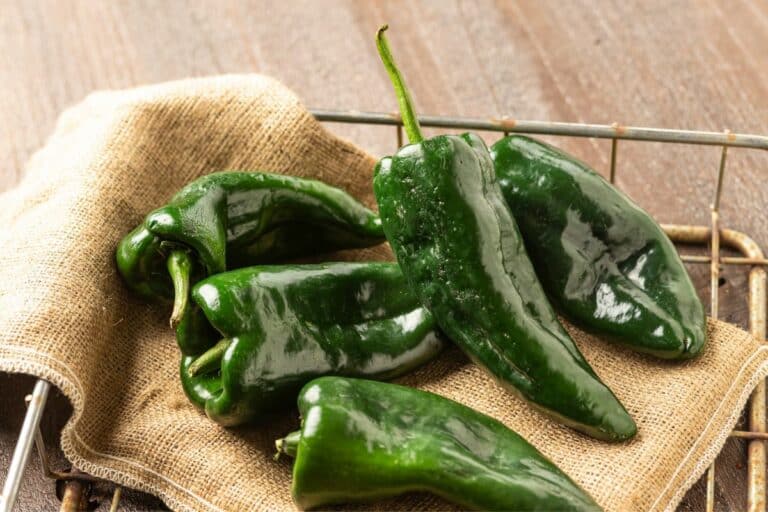
Natalia’s Lens: Using the pork shoulder for tacos mimics the rich, fatty profile of traditional Mexican preparations. If you want to dive deeper into authentic, slow-roasted shoulder variations for tacos, explore our guide on What is Carnitas? [cite: 4] and pair this meal with our Best Poblano Pepper Recipes[cite: 3].

The Cooking Method (SOP)

  1. The Spice Rub: Coat the boneless pork steaks generously with smoked paprika, cumin, salt, and pepper. Let sit at room temperature for 15 minutes.
  2. The Sear: Heat a cast-iron skillet over high heat. Sear the steaks for 5 minutes per side until the paprika creates a dark, charred crust.
  3. The Rest & Slice: Remove the pork and let it rest for 5 minutes (critical for juiciness). In the same pan, quickly sauté the peppers and onions in the residual pork fat.
  4. The Assembly: Slice the pork steaks very thinly against the grain. Serve immediately in warm tortillas, topped with the sautéed vegetables and a squeeze of fresh lime.
Cluster 5 • The Final Implementations

Everyday Roasts & Steakhouse Classics

To close out our 15-recipe archive, we focus on high-efficiency family meals and elevated, resort-grade preparations. These recipes prove that the humble shoulder cut can transition seamlessly from a rapid weeknight sheet pan to a premium dining experience.

13

Easy Baked Pork Steak (Sheet Pan Method)

The ultimate high-efficiency family dinner. Seasoned with Mediterranean herbs and roasted alongside hearty root vegetables, the rendered pork fat naturally bastes the vegetables.

1-Pan Efficiency Victor-Tested: 9/10

The Ingredient Matrix

  • 4 Pork Steaks (bone-in)
  • 1 lb baby potatoes (halved)
  • 3 large carrots (roughly chopped)
  • 2 tbsp olive oil & Italian herb blend
  • Crushed garlic & sea salt

Clinical Nutrition Profile

Natalia’s Lens: This is a cornerstone of our Budget-Friendly Healthy Meal Plans. Because the vegetables roast in the pork’s natural lipids, you don’t need heavy creams or extra oils. For the best starch pairing, review our Best Baby Potato Recipes to ensure perfect roasting times.

The Cooking Method (SOP)

  1. The Sheet Pan Prep: Preheat the oven to 375°F (190°C). Line a heavy-duty baking sheet with parchment paper for easy cleanup.
  2. The Aromatic Toss: Toss the halved potatoes and chopped carrots with 1 tbsp of olive oil, crushed garlic, and half of the herb blend. Spread them to the edges of the pan.
  3. The Centerpiece: Rub the pork steaks with the remaining oil and herbs. Place them directly in the center of the sheet pan.
  4. The Roast: Bake for 30 to 40 minutes. The steaks are done when they hit 145°F (63°C) and the vegetables are fork-tender. Let the meat rest directly on the pan for 5 minutes before serving.
14

The Delmonico Pork Steak

A premium steakhouse preparation applied to the pork shoulder. Using a heavy cast-iron sear and a butter-baste, this method elevates the cut to luxury dining standards.

Steakhouse Technique

The Ingredient Matrix

  • 2 thick-cut Pork Steaks (min. 1.5 inches)
  • Coarse sea salt & cracked black pepper
  • 2 tbsp Worcestershire sauce
  • 3 tbsp unsalted butter
  • Fresh rosemary sprigs & garlic cloves

Clinical Nutrition Profile

Natalia’s Lens: This preparation is rich and heavy. To maintain digestive balance, serve this alongside high-fiber, bitter greens. This technique is adapted directly from our premium Steak Recipes Archive, applying beef-cooking logic to pork.

The Cooking Method (SOP)

  1. The Dry Brine: Coat the steaks in Worcestershire sauce, then season aggressively with coarse salt and pepper. Let rest at room temperature for 30 minutes.
  2. The Hard Sear: Heat a cast-iron skillet until smoking. Sear the steaks for 4 minutes per side to build a dark, caramelized Maillard crust.
  3. The Butter Baste: Drop the heat to medium-low. Add the butter, garlic cloves, and rosemary. As the butter foams, repeatedly spoon it over the steaks (arroser) for 2 minutes.
  4. The Crucial Rest: Remove from the pan immediately when the internal temperature reads 140°F (60°C). Rest on a cutting board for 8 minutes. Carryover cooking will bring it safely to 145°F.
15

Pork Steak Roasted with Sweet & Spicy Peppers

A vibrant, colorful skillet meal that balances the heavy lipid profile of the pork with bright, slightly acidic, and sweet bell peppers.

Antioxidant Focus Victor-Tested: 8/10

The Ingredient Matrix

  • 2 large Pork Steaks
  • 3 Bell peppers (red, yellow, orange)
  • 1 Poblano or mild chili (sliced)
  • 1 red onion (thickly sliced)
  • 1 tsp smoked paprika & garlic powder

Clinical Nutrition Profile

Natalia’s Lens: The capsaicin in the peppers stimulates the metabolism, effectively countering the heaviness of the meat. If you need to dial the heat up or down depending on your kids’ preferences, consult our Ultimate Guide to Chili Peppers for safe substitutions.

The Cooking Method (SOP)

  1. The Initial Sear: Season the steaks with paprika, garlic powder, and salt. Sear in a large skillet for 3 minutes per side. Remove to a plate.
  2. The Pepper Wilting: Add the sliced bell peppers, poblano, and red onion to the hot pork fat left in the skillet. Sauté for 5-7 minutes until the edges begin to char and soften.
  3. The Reintegration: Nestle the pork steaks back into the bed of peppers. Cover the skillet and drop the heat to low.
  4. The Steam Finish: Let the steaks steam in the moisture released from the peppers for 10 minutes until they reach 145°F internally. Serve immediately with warm tortillas or rice.
Clinical Validation & Visual SOP

The 2026 Thermal Safety Protocol & Visual Guide

Perfecting pork steak recipes requires strict adherence to temperature guidelines to ensure the breakdown of collagen without risking bacterial survival. We have verified these standards alongside our visual audit of direct-heat BBQ cooking.

Visual Execution via Chuds BBQ (YouTube)

Oliver’s Hospitality Audit: Direct Heat Over Coals

While our family frequently relies on the “Low & Slow” braising method, Bradley Robinson at Chuds BBQ demonstrates a brilliant direct-heat execution over live coals. By managing the airflow and distance from the fire, he achieves a deep, caramelized bark while keeping the intramuscular fat intact.

The Critical Takeaway

Because pork steaks are naturally dense with marbling, a hot charcoal sear works beautifully if you constantly flip the meat to prevent burning. As demonstrated, pull the steak exactly when the internal core hits the 140°F (60°C) threshold, allowing the mandatory rest period to safely carry it to the USDA 145°F standard.

The Restorative Storage Matrix

Verified shelf-life limits for maintaining structural and nutritional integrity.

Protein State Refrigerator (Below 40°F) Deep Freezer (0°F) Quality Retention Note
Raw Pork Steak 3 to 5 Days 4 to 6 Months Wrap tightly to prevent lipid oxidation
Cooked / Braised 3 to 4 Days 2 to 3 Months Store in braising liquid for moisture lock
Smoked (Dry) 3 to 4 Days 1 to 2 Months Smoke ring softens upon thawing

Natalia’s Clinical Storage Lens

Raw pork shares the exact same oxidation risks as beef. We apply the same rigorous sanitation protocols here as we do in our Raw Steak Storage Guide. When packing Victor’s meals, leftover braised pork shoulder is a fantastic, high-protein anchor for healthy school lunches, provided it is chilled rapidly after the initial cook.

Traveler Insights • March 2026

Common Questions About Cooking Pork Steaks

Can I use pork chops instead of pork steaks?

Yes, but you must drastically adjust your cooking time. Because pork chops are cut from the lean loin, they lack the marbling and connective tissue of the shoulder steak. If you substitute chops into a slow-braising recipe, they will become dry and tough. Chops require fast, high-heat cooking (10-15 minutes max).

Oliver’s Hospitality Tip: If you only have loin cuts available, pivot to our Best Pork Cutlet Recipes to ensure a juicy, tender result.

How do I tenderize pork steaks?

You can tenderize pork steaks through two methods: Enzymatic or Thermal. The enzymatic method involves marinating the meat in an acid (citrus, vinegar, or soy) for 2 to 4 hours to break down surface proteins. The thermal method involves braising or slow-roasting the meat over low heat for 1.5 to 2 hours until the internal collagen melts into soft gelatin.

Both methods are heavily utilized across our global family recipes. Reference the “Mojo Variation” above for a perfect acidic tenderization example.

What is the cost difference between pork steaks and chops?

Pork steaks (cut from the shoulder) are generally 30% to 50% cheaper per pound than pork chops (cut from the loin). Because the shoulder requires slightly more culinary technique to render tender, it is priced as a high-value, budget-friendly cut.

As we continue our 2026 fieldwork, mastering cheaper cuts is essential. We apply this same financial logic in our guide to the Best Budget Travel in Southeast Asia.

How do I know when pork steaks are done?

Always rely on a digital meat thermometer, never visual cues. Whole-muscle pork steaks are safe and done when the internal core reaches 145°F (63°C), followed by a mandatory 3 to 5-minute rest. For the juiciest result, pull the steaks off the heat at 140°F and let carryover cooking bring them up to safety standards.

Natalia enforces this 145°F threshold across all our family meals to guarantee clinical safety while preserving 90% of the nutrient density.

Have more questions about our travel base discoveries? Visit our Family Food Travel Blog FAQ.

Sovereign Evidence Library

Institutional & Scientific Verification

Our family kitchen standards for protein degradation, thermal safety, and Maillard kinetics are strictly benchmarked against these global authorities.

USDA-SAFE

Food Safety Standards

Scientific data confirming the 145°F (63°C) internal threshold and 3-minute rest required to ensure safe, juicy whole-muscle pork preparation.

Verify Science
CIA-TECH

Culinary Science

Professional validation from the Culinary Institute of America regarding collagen breakdown in the shoulder cut during low-and-slow braising.

Verify Protocol
NPB-QUAL

Quality Assurance

National Pork Board storage specifications verifying freezing parameters to prevent lipid oxidation and freezer burn over 6 months.

Verify Quality
The Curators of This Archive

Family-Led • Hospitality-Trained

Currently conducting our March 2026 Fieldwork in Thailand.

Oliver Mayerhoffer, Hospitality Professional and Technical Lead

Oliver Mayerhoffer

Hospitality Auditor & Traveler

Oliver provides our technical backbone. Drawing on 15+ years of professional luxury hospitality leadership across 50+ countries, he deconstructs complex proteins—like the heavily marbled pork shoulder—into practical, home-kitchen systems that never compromise on technique or flavor clarity.

Natalia Mayerhoffer, Cultural Storyteller and Co-Founder of Mangoes & Palm Trees

Natalia Mayerhoffer

Cultural Storyteller & Medical Validator

Natalia protects the soul of our kitchen. Her Siberian heritage and medical background ensure that every dish we share, from these collagen-rich pork steaks to our broader meat recipe archives, is grounded in clinical safety, nutrient retention, and deep respect for cultural traditions.

Victor Mayerhoffer, the family's reality check and taste auditor

Victor Mayerhoffer

The Victor-Tested Standard

Victor is our lead reality-checker. Born in Koh Samui in 2016, his presence ensures that our recipes are genuinely practical for global travel life. His rigorous “10/10 Cozy Rating” for dishes like the Smothered Pork Steak confirms they are ready for our global family index.

Similar Posts

Leave a Reply

Your email address will not be published. Required fields are marked *