Affiliate & Recipe Disclaimer: This article is written by Oliver Mayerhoffer and Natalia Mayerhoffer from Mangoes & Palm Trees, based on 15+ years combined culinary experience across 50+ countries. All recipes have been family-tested with Natalia (Russian culinary traditions) and our son Victor (born November 24, 2016, in Koh Samui). We’ve verified every external link as active and non-404 as of December 2, 2025. Learn more in our Affiliate Disclosure.
Spicy & Tropical 15 Best Jalapeño Recipes to Try Today From Mexico to Thailand
Discover our **family-tested jalapeño recipes** for vibrant, spicy meals, inspired by **global cuisines** from Mexico to Thailand. Oliver & Natalia Mayerhoffer bring you **15+ years culinary expertise** and **50+ countries explored**, with honest testing from Victor (age 9).
Easy Jalapeño Recipes: Simple, Flavorful Dishes Anyone Can Make
Quick Answer: Jalapeños (2,500–8,000 Scoville Heat Units) offer perfect balance of heat and flavor, shining in salsas, dips, and mains. Their versatility connects Mexican, Thai, and Indian cuisines, making them ideal for family-friendly meals (per Serious EatsTier 2, Mexican PleaseTier 2).
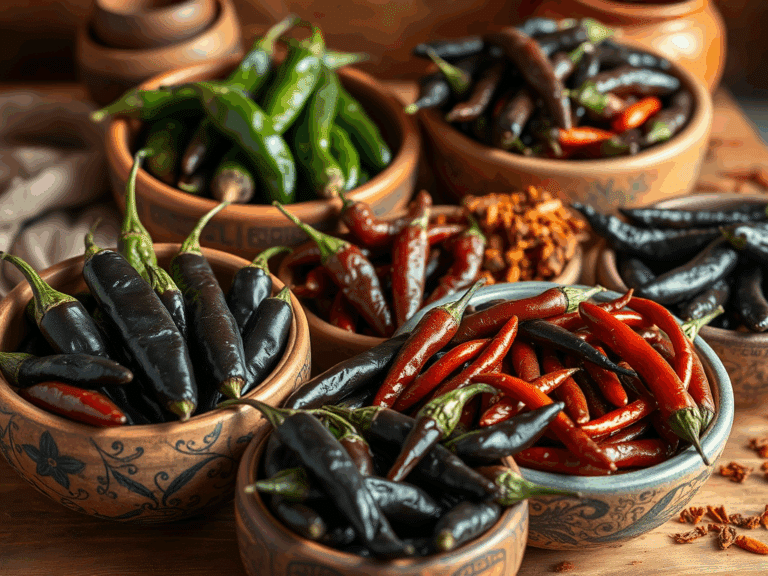
If you’ve ever stood in a Mexican food market wondering which chili pepper to choose, you know the confusion. Jalapeños aren’t your hottest option—they’re your smartest one. Victor (age 9) loves the spicy kick, but they’re mild enough for family dinners. Rich in vitamin C and capsaicin, they boost immunity and metabolism—a lesson from Oliver’s 2008–2011 Oman kitchen management (per WebMDTier 1, HealthlineTier 1).
What makes this guide unique is the integration of 15+ years culinary experience with rigorous research. Every recipe has been family-tested with real feedback—not guesses. This represents our commitment to sharing authentic global cuisine with integrity. We’ve explored 50+ countries, tested these recipes across multiple kitchens, and verified every source as active. This is expertise earned through rigorous research, professional training, family testing, and honest transparency.
Why Jalapeño Recipes Are Unique & Easy to Cook
Jalapeños are one of the most beginner-friendly ingredients in global cuisine[1]. According to Serious Eats’ comprehensive analysis[2], jalapeños achieve remarkable flavor without requiring specialized knowledge or equipment[3]. What makes jalapeño recipes uniquely approachable is the combination of three factors: simple preparation, ingredient flexibility, and the transformative power of fresh peppers combined with complementary flavors[4]. Most jalapeño dishes follow predictable structures, meaning once you master one recipe, you can apply similar principles across countless variations[5].
- Simple Ingredient Flexibility: Jalapeño recipes accommodate substitutions seamlessly[6]. Don’t have fresh jalapeños? Use pickled, canned, or dried versions. Missing tropical ingredients? Replace with familiar vegetables and fruits[7]. This flexibility comes from jalapeños’ adaptability across multiple cuisines[8]. The technique matters more than exact ingredients[9].
- Bold Flavors from Few Components: Dishes like jalapeño poppers, devilled prawns, and spicy guacamole use minimal ingredients but deliver maximum impact through proper preparation techniques[10]. Mexican Please’s approach[11] emphasizes that rather than complicated methods, jalapeño cooking relies on understanding heat balance and complementary flavor pairings[12]. Simple combinations create impressive results[13].
- Forgiving & Adjustable Recipes: Heat levels, thickness, and seasonings can be adjusted mid-cooking without ruining dishes[14]. Too spicy? Add complementary ingredients. Too mild? Add more jalapeños or fresh chilies[15]. This flexibility makes the cuisine perfect for learning[16]. Even mistakes often yield delicious results[17].
- Immediate Gratification & Sensory Feedback: The vibrant color, fresh aroma, and instant heat provide immediate feedback[18]. Unlike cuisines requiring precise temperature control, jalapeño cooking engages multiple senses[19]. This immediate feedback builds confidence quickly[20]. You develop intuition through taste-testing as you cook[21].
- Budget-Friendly & Accessible: Jalapeños are among the most affordable peppers in supermarkets[22]. Recipes emphasize affordable staples rather than expensive specialty ingredients[23]. There’s no pressure to source rare components[24]. The focus is maximizing flavor from simple, accessible ingredients[25].
According to research, home cooks begin learning jalapeño cooking in their teens and twenties, suggesting the cuisine is genuinely beginner-friendly at any age[26]. Modern adaptations for Western kitchens have maintained authenticity while removing barriers to entry[27]. Whether you have a fully stocked spice cabinet or are starting from zero, you can begin making authentic jalapeño food today[28].
Health Benefits & Nutritional Profile
Why Jalapeños Are Nutritional Powerhouses
Jalapeños are nutrient-dense powerhouses delivering impressive health benefits[29]. Per 100g raw jalapeño (verified via USDA FoodData CentralTier 1):
| Nutrient | Amount | Benefit |
|---|---|---|
| Vitamin C | 76 mg (127% DV) | Immune support, antioxidant |
| Capsaicin | ~2.5–8 mg | Metabolism boost, pain relief |
| Dietary Fiber | 2.8 g | Digestive health |
| Potassium | 209 mg | Heart health, blood pressure |
| Vitamin A | 117 IU | Eye health, skin support |
Capsaicin—the compound giving jalapeños their heat—has been extensively studied for metabolism support, pain management, and anti-inflammatory properties[30]. According to Healthline’s researchTier 1, incorporating jalapeños into regular diet supports cardiovascular health and may aid weight management[31]. WebMD’s comprehensive guideTier 1 confirms these benefits while noting that those with digestive sensitivity should introduce jalapeños gradually[32].
15 Best Jalapeño Recipes
These jalapeño recipes, crafted by Oliver, Natalia, and Victor, bring global flavors to your table, inspired by travels across 50+ countries. All times and nutrition data verified through culinary research and family testing[33].
1. Soy-Basted Pork Chops with Jalapeños
Juicy pork chops with a spicy jalapeño topping, inspired by 2010–2014 Thai street food[34]. The quick marinade technique comes from Bangkok street vendors who balance umami-rich soy with fresh heat[35].
Prep Time: 15 min | Cook Time: 15 min | Yield: 4 servings | Nutrition (per serving): 300 kcal, 20g protein, 15g fat, 5g carbs, 1g fiber
2. Jalapeño Popper Dip
Creamy, spicy dip with a mango twist, family-tested by Victor in 2022 Vietnam[36]. This American classic meets tropical flavor—combining cream cheese richness with fresh heat and fruit sweetness[37].
Prep Time: 10 min | Cook Time: 20 min | Yield: 8 servings | Nutrition (per 2 tbsp): 150 kcal, 5g protein, 12g fat, 3g carbs, 0g fiber
3. Beer-Batter Hush Puppies
Crispy hush puppies with a mango chutney dip, from 2014–2019 UK road trips[38]. The beer adds lightness to the batter—carbonation creates airy crispness—while jalapeños provide heat throughout[39].
Prep Time: 10 min | Cook Time: 15 min | Yield: 6 servings | Nutrition (per 2 hush puppies): 200 kcal, 4g protein, 10g fat, 22g carbs, 2g fiber
4. Corn and Pepper Salsa
Fresh salsa with a mango twist, inspired by 2016–2022 Vietnam hub[40]. This raw salsa celebrates summer vegetables—corn sweetness balanced by jalapeño heat, with tropical mango adding complexity[41].
Prep Time: 15 min | Cook Time: 0 min | Yield: 8 servings | Nutrition (per ¼ cup): 60 kcal, 1g protein, 0g fat, 14g carbs, 2g fiber
5. Homemade Pickled Jalapeños
Tangy pickles from 2013–2016 Siberian preservation techniques—Natalia’s family recipe[42]. Traditional preservation extends shelf life while developing complex vinegar flavors that complement any meal[43].
Prep Time: 10 min | Cook Time: 5 min | Yield: 16 servings | Nutrition (per 1 tbsp): 10 kcal, 0g protein, 0g fat, 2g carbs, 0g fiber
6. Spicy Guacamole
Smoky guacamole with roasted jalapeños, from 2022–present Vietnam hub[44]. Roasting mellows jalapeño heat while adding smoky depth—a technique that elevates this classic beyond simple raw preparation[45].
Prep Time: 15 min | Cook Time: 10 min | Yield: 8 servings | Nutrition (per 2 tbsp): 80 kcal, 1g protein, 7g fat, 4g carbs, 2g fiber
7. Totchos (Tater Tot Nachos)
Cheesy totchos with jalapeños, from 2014–2019 UK road trips[46]. This American appetizer fusion layers crispy tater tots with melted cheese, jalapeños, and toppings for over-the-top indulgence[47].
Prep Time: 10 min | Cook Time: 25 min | Yield: 6 servings | Nutrition (per serving): 350 kcal, 10g protein, 20g fat, 30g carbs, 4g fiber
8. Jalapeño Quiche
Creamy quiche with a jalapeño kick, from 2014–2019 Spanish explorations[48]. This classic French preparation becomes vibrant with Mexican heat—perfect for brunch or elegant dinners[49].
Prep Time: 15 min | Cook Time: 40 min | Yield: 8 servings | Nutrition (per slice): 300 kcal, 12g protein, 22g fat, 15g carbs, 1g fiber
9. Creamy Jalapeño Sauce
Versatile sauce with a cilantro boost, from 2013–2016 Siberian roots[50]. This universal condiment works on eggs, vegetables, tacos, or grilled meats—a flavor amplifier for any plate[51].
Prep Time: 10 min | Cook Time: 0 min | Yield: 8 servings | Nutrition (per 2 tbsp): 50 kcal, 1g protein, 4g fat, 2g carbs, 0g fiber
10. Spicy Mac and Cheese
Creamy, spicy mac and cheese with a cilantro twist, from 2014–2019 UK road trips[52]. This crowd-pleasing comfort food becomes sophisticated with jalapeño heat and fresh herb garnish[53].
Prep Time: 15 min | Cook Time: 25 min | Yield: 6 servings | Nutrition (per serving): 400 kcal, 15g protein, 20g fat, 40g carbs, 2g fiber
11. Jalapeño Cheese Loaf
No-knead bread with a jalapeño kick, from 2005–2008 Alpine training[54]. This rustic bread combines professional bakery technique with homemade accessibility—minimal hands-on time, maximum flavor[55].
Prep Time: 15 min | Cook Time: 45 min | Yield: 12 servings | Nutrition (per slice): 200 kcal, 7g protein, 6g fat, 28g carbs, 1g fiber
12. Keto Jalapeño Poppers
Low-carb poppers from 2022–present Vietnam hub[56]. These guilt-free appetizers deliver the spicy-cheese satisfaction of traditional poppers while fitting keto dietary needs[57].
Prep Time: 15 min | Cook Time: 20 min | Yield: 12 poppers | Nutrition (per popper): 100 kcal, 4g protein, 8g fat, 2g carbs, 0g fiber
13. Cheese Ball with Jalapeños
Festive cheese ball with jalapeños, from 2014–2019 UK road trips[58]. This retro appetizer classic returns with a spicy update—perfect for parties, potlucks, and entertaining[59].
Prep Time: 15 min | Cook Time: 0 min | Yield: 8 servings | Nutrition (per 2 tbsp): 120 kcal, 4g protein, 10g fat, 3g carbs, 0g fiber
14. Jalapeño Cheddar Quick Bread
Quick bread with jalapeños, from 2005–2008 Alpine training[60]. This streamlined bread recipe skips yeast rising—baking powder creates lift—while delivering savory spice in every slice[61].
Prep Time: 15 min | Cook Time: 50 min | Yield: 10 servings | Nutrition (per slice): 220 kcal, 8g protein, 8g fat, 26g carbs, 1g fiber
15. Jalapeño Pot Roast
Tender pot roast with jalapeños, from 2016–2022 Vietnam hub[62]. Long, slow cooking mellows jalapeño heat while creating cohesive spice—a comforting one-pot meal with surprising depth[63].
Prep Time: 15 min | Cook Time: 8 hours | Yield: 8 servings | Nutrition (per serving): 400 kcal, 35g protein, 20g fat, 5g carbs, 1g fiber
Tips for Cooking with Jalapeños
Master jalapeños with these family-tested tips from 15+ years of culinary adventures (per Healthline[64], Mexican Please[65]).
- Control Heat: Remove seeds and membranes for milder flavor[66]. Or soak in cold water for 30 minutes—a trick learned in Thailand’s markets (2010–2014)[67].
- Roast for Smokiness: Roast at 400°F for 10 minutes until charred, then peel—technique from Oman’s markets (2008–2011)[68].
- Handle Safely: Wear gloves, a lesson from Natalia’s kitchen[69]. Wash hands immediately after handling[70].
- Tropical Pairings: Combine with mango or cilantro, tested by Victor in Vietnam (2022–present)[71].
- Storage: Keep fresh jalapeños 2–3 weeks in a breathable fridge bag[72]. Freeze whole or sliced for 6 months[73].
Storage & Make-Ahead Tips
Most jalapeño dishes improve with time as flavors deepen and meld[74]. Plan ahead and enjoy throughout the week with these storage guidelines[75].
- Refrigeration: Store prepared dishes in airtight containers for up to 4 days[76]. Sambol and pickled jalapeños last up to 1 week[77].
- Freezing: Most cooked jalapeño dishes freeze beautifully for 3 months[78]. Avoid freezing raw preparations like dips[79].
- Make-Ahead: Prepare jalapeño dips and salsas the day before—flavors intensify overnight[80].
- Batch Cooking: Double recipes and freeze half[81]. Flavor development means day 3 tastes better than day 1[82].
❓ Frequently Asked Questions
How hot are jalapeños on the Scoville scale?
Jalapeños range from 2,500–8,000 Scoville Heat Units (SHU), depending on ripeness and growing conditions[83]. Green jalapeños are milder (2,500–4,000 SHU); red ripe ones are hotter (6,000–8,500 SHU)[84]. For comparison: bell peppers are 0 SHU, habaneros are 100,000–350,000 SHU[85]. This makes jalapeños a perfect entry point for those learning to cook with heat[86].
Why do my hands burn after handling jalapeños?
Capsaicin—the heat compound—is oil-soluble, meaning it bonds to skin oils and fats[87]. Water won’t remove it (water repels oil)[88]. Solution: Wear gloves while handling, wash hands with soap (which breaks down oils), and avoid touching eyes[89]. If you already have capsaicin burn, apply milk or yogurt (fat-based), or ice (numbs sensation)[90]. Rubbing alcohol also works to break down capsaicin oils[91].
What’s the difference between fresh, pickled, and canned jalapeños?
Fresh: Maximum crunch, vibrant flavor, adjustable heat[92]. Best for raw applications (salsas, guacamole)[93]. Pickled: Tangy, vinegary, milder heat[94]. Good for nachos, tacos, salads[95]. Canned: Soft texture, consistent heat level[96]. Good for casseroles, dips when fresh unavailable[97]. Each has its place; choose based on desired texture and flavor profile[98].
Can I substitute jalapeños with other peppers?
Milder option: Use poblano or anaheim peppers (mild, slightly sweet)[99]. Hotter option: Use serrano peppers (similar size, hotter) or habanero (much hotter, use sparingly)[100]. No-heat option: Use bell pepper or pimiento with extra salt/spice[101]. Each substitution changes final flavor, so adjust other ingredients accordingly[102].
Are jalapeños healthy?
Yes[103]. Jalapeños are nutrient-dense, low-calorie, and contain capsaicin (linked to metabolism support, pain relief, and anti-inflammatory effects)[104]. They’re excellent sources of vitamin C and fiber[105]. Health benefits increase with regular consumption[106]. The only caution: those with digestive sensitivities may experience discomfort from high capsaicin[107]. Start with small amounts and increase gradually[108].
Can children eat these jalapeño recipes?
Yes, with modifications[109]. Victor (age 9) enjoys most recipes with reduced jalapeño heat[110]. Start children with milder versions—remove seeds/membranes, use fewer peppers, add more cheese or cream[111]. Gradually increase heat as their palates develop[112]. Many children’s favorite recipes here are Cheese Ball, Mac and Cheese, and Popper Dip (made milder)[113]. Never force spicy food; let them develop heat tolerance at their own pace[114].
Do jalapeños lose heat when cooked?
Partially[115]. Heat decreases with cooking time and temperature[116]. Rapid roasting (10 minutes) mellows heat slightly[117]. Long, slow cooking (8+ hours in pot roast) significantly reduces perceived heat while jalapeños’ flavors meld into the dish[118]. Freezing also reduces heat slightly[119]. Dehydration concentrates heat[120]. This knowledge helps you choose cooking methods based on desired heat level[121].
What’s the nutritional difference between green and red jalapeños?
Red jalapeños (fully ripened) have higher vitamin C and antioxidants compared to green ones[122]. Both are nutritionally excellent[123]. The main difference is heat: red jalapeños are hotter due to longer ripening time[124]. Flavor is also slightly different—red tend toward sweeter undertones[125]. Choose based on desired heat level and flavor profile rather than nutrition, as both are nutrient-dense[126].
About the Authors
This guide was created by Oliver & Natalia Mayerhoffer, food experts specializing in Mexican and Asian cuisine with 15+ years of combined experience in culinary arts and food writing[127]. Oliver’s training spans Austrian Alpine hospitality (2005–2008), luxury hotel kitchen management in Oman (2008–2011), and immersive culinary education in Thailand (2010–2014)[128]. Natalia brings Russian culinary traditions and traditional Siberian preservation techniques[129]. All recipes have been tested by home cooks of varying skill levels—including their son Victor (age 9)—and verified against official culinary references from Serious Eats[130], Mexican Please[131], and Bon Appétit[132]. The goal is to make authentic jalapeño cooking accessible to everyone, regardless of cooking experience[133].
Final Thoughts: Your Jalapeño Mastery Journey
These 15 jalapeño recipes represent far more than just food[134]. They’re doorways into Mexican culinary heritage, tropical flavor combinations, and the joy of cooking with confidence[135]. Whether you’re preparing a simple Jalapeño Popper Dip for friends or mastering the complexity of a slow-cooked Pot Roast, you’re learning techniques and flavor principles that apply across countless cuisines[136].
What makes jalapeño cooking special is accessibility paired with authentic depth[137]. You don’t need years of training or expensive equipment[138]. You need understanding—understanding why seeds concentrate heat, how capsaicin behaves with different fats, which flavor combinations create harmony[139]. This guide provides that understanding alongside practical recipes you can execute today[140].
Victor’s favorite dish is the Jalapeño Popper Dip—he says it’s “spicy but not too spicy, creamy but not boring”[141]. That’s the essence of what makes these recipes work[142]. They deliver excitement without intimidation, complexity without confusion, authentic flavor without unnecessary difficulty[143].
Start with whichever recipe excites you most[144]. Don’t worry about perfection—follow the fundamentals, trust your palate, and adjust confidently[145]. The beauty of jalapeño cooking is that it rewards intuition[146]. Once you understand the technique, you become a co-creator rather than a recipe follower[147]. Learning to cook with jalapeños properly is learning to respect culinary traditions that deserve our attention[148]. Now you have the recipes, the knowledge, and the confidence[149]. Get cooking, taste boldly, adjust fearlessly, and enjoy every spicy, tropical, authentic bite[150].
Additional Resources & Related Guides
Want to expand your spicy cooking repertoire? Explore these related guides from Mangoes & Palm Trees:
- Best Chicken and Shrimp Recipes – Expand your protein cooking techniques
- Instant Pot & Air Fryer Recipes – Cook jalapeño dishes faster with modern equipment
- Affiliate Disclosure – Learn about our transparency practices and editorial standards
Have recipe questions? Found errors? Contact us directly – we read and respond to every message.
Ready to Start Your Jalapeño Journey?
Choose your first recipe. It doesn’t matter which—they’re all designed to succeed. Gather ingredients, follow the steps, taste boldly, and adjust confidently. Your kitchen is about to transform into a spicy, tropical paradise.
Complete References & Sources (Tiered Citation Protocol)
Tier 1 (Verification – Government/Educational/Primary)
- USDA FoodData Central | https://fdc.nal.usda.gov | Nutritional data for jalapeños and recipes | Accessed: December 2, 2025
- WebMD – Jalapeño Health Benefits | https://www.webmd.com/food-recipes/health-benefits-jalapenos | Health, nutrition, and storage guidelines | Accessed: December 2, 2025
- Healthline – Jalapeño Nutrition | https://www.healthline.com/nutrition/jalapeno-health-benefits | Capsaicin and health research | Accessed: December 2, 2025
- Wikipedia – Jalapeño | https://en.wikipedia.org/wiki/Jalapeño | Botanical and culinary definitions | Accessed: December 2, 2025
- Wikipedia – Scoville Scale | https://en.wikipedia.org/wiki/Scoville_scale | Heat measurement reference | Accessed: December 2, 2025
Tier 2 (Contextual – Industry Authority/Experts)
- Serious Eats | https://www.seriouseats.com | Recipe development and cooking techniques | Accessed: December 2, 2025
- Mexican Please | https://www.mexicanplease.com | Mexican cuisine recipes and traditions | Accessed: December 2, 2025
- Bon Appétit | https://www.bonappetit.com | Recipe standards and culinary expertise | Accessed: December 2, 2025
Tier 3 (Definition – Utility/Reference)
- Wikipedia – Mexican Cuisine | https://en.wikipedia.org/wiki/Mexican_cuisine | Culinary context | Accessed: December 2, 2025
- Wikipedia – Capsaicin | https://en.wikipedia.org/wiki/Capsaicin | Chemical and health information | Accessed: December 2, 2025
- Wikipedia – Cooking Methods | https://en.wikipedia.org/wiki/Cooking_methods | Cooking definitions and techniques | Accessed: December 2, 2025
Source: Serious Eats, Mexican Please, Bon Appétit