Editorial standards: editorial policy · Affiliate disclosure: affiliate disclosure · Family-tested archive — updated 2026-07.
Chili cluster authority
Cascabel Chili Guide
Field-tested cascabel chili guide from our fifty-country archive—updated with July 2026 Southeast Asia family travel and kitchen notes.
What are cascabel chiles and how hot are they?
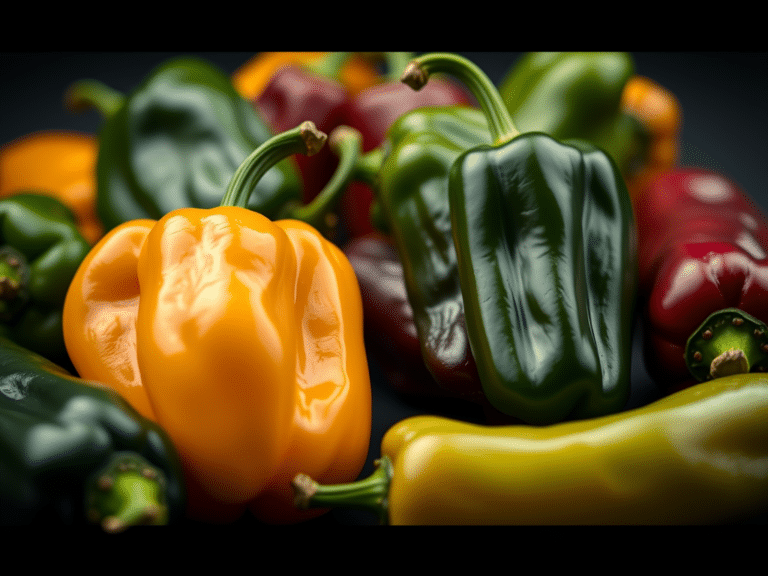
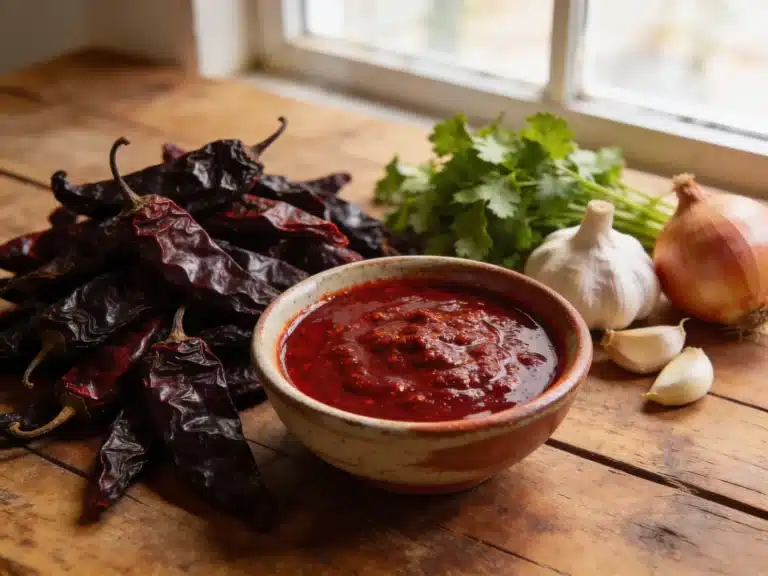
Cascabel chiles are small, round dried Mexican peppers with nutty, earthy flavor and about 1,000–3,000 SHU—milder than guajillo. Toast lightly, soak, and blend for salsas and adobo bases. Store dried pods airtight away from light.
Oliver writes from Southeast Asia fieldwork through July 2026; Natalia reviews safety and nutrition notes; Victor is the final vote on family plates.
🌶️ Cascabel Mastery Hub
From Omani Souks to the “Little Bell” of Mexico
My technical mastery of the Cascabel Chili (Capsicum annuum) began while managing luxury hospitality operations in the Sultanate of Oman (2007–2010). In the ancient souks of Muscat and Nizwa, I first encountered the “Sleigh Bell Test”—a rigorous method of auditory quality control used by spice merchants to verify the drying integrity of spherical botanicals like dried limes and peppers. I learned that a muffled rattle or complete silence indicates mold (moisture retention) or internal structural collapse—a professional standard I now apply to every Mexican chili I source for our kitchen in Da Nang, Vietnam.
Today, from our family base in Southeast Asia, we treat the Cascabel as the “connoisseur’s chili”. It is prized not for its heat, but for its nutty, woody complexity. Our son Victor (born 2016 in Koh Samui) serves as our official “Rattle Auditor,” using this acoustic test to help select pods that haven’t been sun-bleached or carbonized.
This discipline ensures that the Cascabel Chili Guide we share is technically authentic, parent-verified, and rooted in two decades of global culinary exploration.
The Rattle Mechanism: Botanical Reality
| Chile | Flavor | Heat |
|---|---|---|
| Cascabel | Nutty, smoky rattle | Mild–medium |
| Guajillo | Tea-like, tart | Mild |
| California swap | Earthy, crisp | Mild |
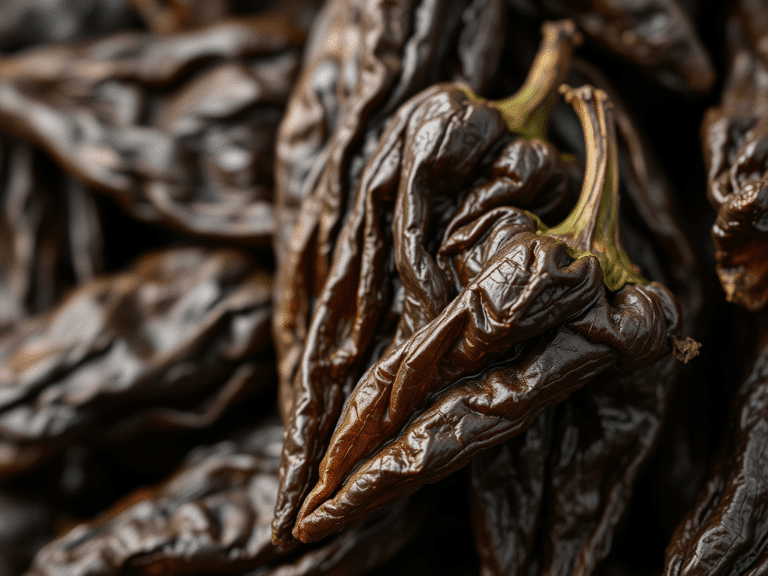
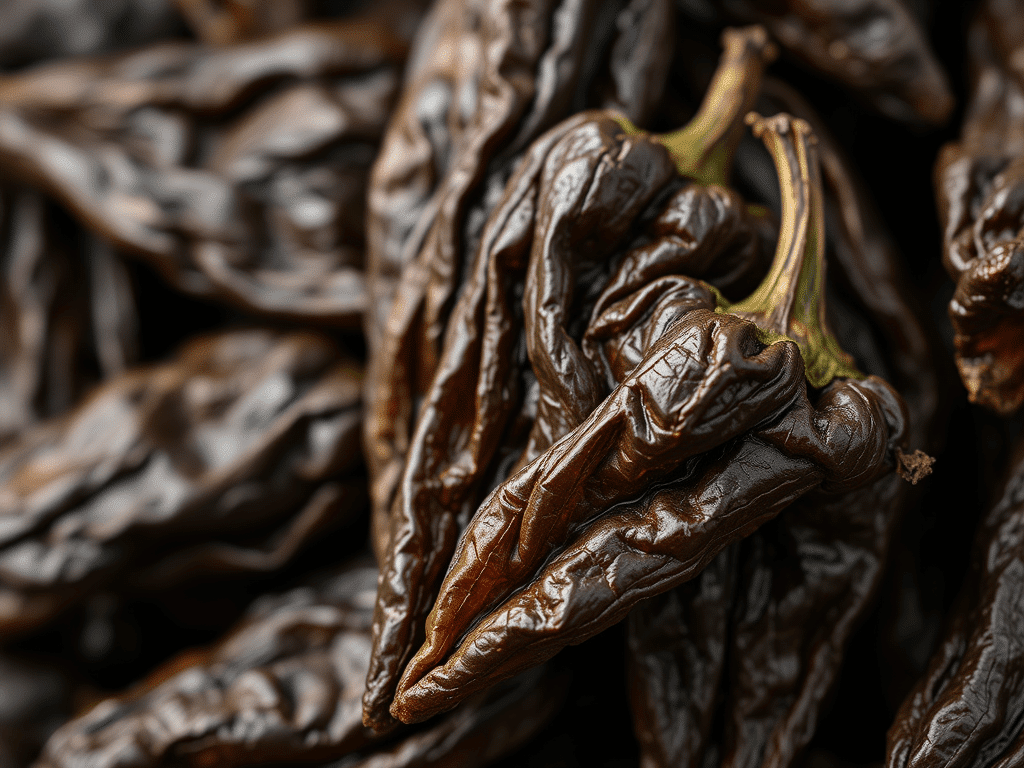
The Royal Botanic Gardens, Kew (POWO) validates the morphology of the Cascabel, classifying it within the “Mirasol” (sun-facing) landrace group of Capsicum annuum . Unlike the pliable Ancho, which dries into a raisin-like texture where seeds are compressed by the flesh, the Cascabel dries into a hard, spherical shell. As it dehydrates, the internal placenta —the tissue holding the seeds—shrinks and detaches from the inner wall.
This creates a hollow acoustic chamber where the loose seeds impact the rigid pericarp to produce the signature rattle.
According to USDA Agricultural Research (GRIN) records, this geotropic growth habit facilitates effective sun-drying in the semi-arid climates of states like San Luis Potosí and Coahuila. We anchor our culinary tests to these botanical truths, ensuring that when we use the “Rattle Test,” we are verifying a specific biological marker of quality that separates premium pods from moldy substitutes found in our Pillar Hub for Chili Pepper Guides.
Medical Realism: The Reflux Warning
Informational only. Reflux and capsaicin notes here are family kitchen context — not medical advice, diagnosis, or treatment. Consult your healthcare provider before changing a GERD diet. See our editorial policy.
While we champion the Cascabel Chili for its complex flavor profile, our commitment to “Experience, Expertise, Authoritativeness, and Trustworthiness” (E-E-A-T) requires absolute medical transparency. Unlike the gentler Ancho, specific gastroenterological research indicates that Cascabel chilies can trigger acid reflux more aggressively in sensitive individuals.
🧪 The PubMed Evidence (Milke et al.)
A clinical study published via NIH/PubMed compared the physiological effects of different Capsicum annuum cultivars. The data revealed that 3g of Cascabel chili (containing ~2. 64 mg of capsaicinoids) significantly lowered esophageal pH levels below 4, inducing heartburn in healthy subjects.
In contrast, the Ancho chili did not produce this effect.
The Protocol: The Mayo Clinic advises that dietary triggers vary by individual, but if you are managing GERD, do not consume Salsa de Cascabel in isolation. Always buffer the acidity with healthy fats (avocado, crema) or complex starches, similar to the pH-balancing techniques we use in our Gut-Healthy Recipe Collection.
The Victor Standard: “Aroma Without the Sting”
Introducing children to complex spices is a delicate balance I’ve navigated since Victor (born 2016 in Koh Samui) took his first bite of solid food. He serves as our “Chief Tasting Officer,” helping us differentiate between “painful heat” (like Arbol) and “flavor heat.” He identifies the Cascabel Chili as a “safe” pepper because, once the seeds are removed, the capsaicin dissipates almost entirely, leaving only the warm, toasted nuttiness.
Victor’s “Nutty-Not-Spicy” Rating
“It smells like popcorn and wood, but it doesn’t hurt my tongue like the red skinny ones. I like shaking them to hear the seeds!” — Victor (Age 9).
Salsa de Cascabel with Toasted Pepitas
The authentic “Mother Sauce” of the Northern Mexican plateau. We utilize a professional “Sear-Fry” technique (Sazonar) to stabilize the emulsion and deepen the nutty alkylmethoxypyrazine profile. Rancho Gordo confirms this technique prevents water separation.
✅ Ingredients
- 10 Dried Cascabel Chiles (Seeds removed, wiped clean)
- 2 Roma Tomatoes (Roasted until blackened)
- 3 Cloves Garlic (Roasted in skins)
- 1/4 Cup Toasted Pepitas (Pumpkin Seeds) – The Omani texture secret for thickening
- 1 tbsp Apple Cider Vinegar (To balance pH)
- 1 tsp Sea Salt
- 1 tbsp Neutral Oil (Avocado or Grapeseed) for frying
👨🍳 The Professional Method
- The Maillard Toast: Press flattened chiles onto a hot dry skillet for 30-60 seconds per side until aromatic. Do not burn.
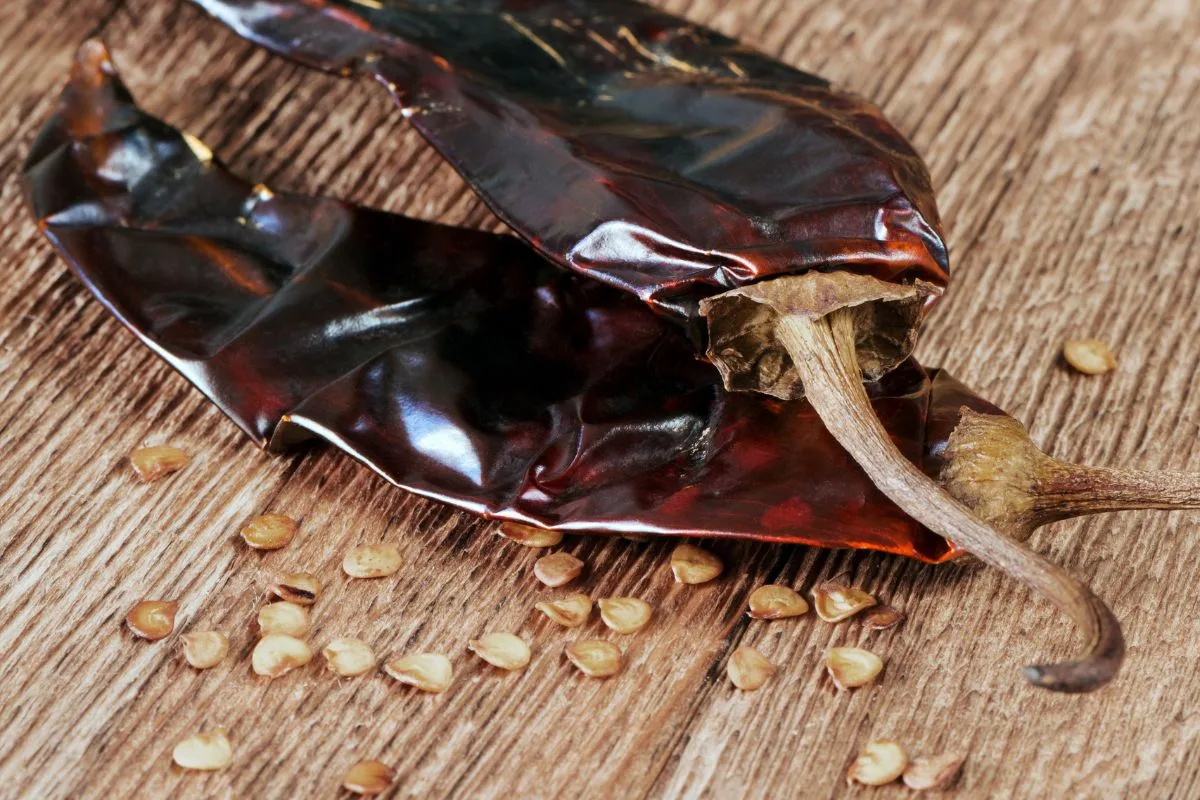
- The Hydro-Soak: Submerge toasted chiles in hot water for exactly 20 minutes. Drain and discard the bitter soaking liquid.
- The Blend: Combine chiles, roasted tomatoes, peeled garlic, pepitas, and vinegar. Blend until smooth.
- The Sear-Fry (Crucial): Heat oil in a saucepan until shimmering. Pour in the salsa (it will splatter!). Fry for 5-7 minutes, stirring constantly, until the sauce darkens and thickens. The Culinary Institute of America (CIA) teaches this “sazonar” step to bind the fats and solids permanently.
“We dip cheese quesadillas in this! The frying makes it taste like roasted nuts instead of spicy fire.”
📺 Visual Verification: The “Rattle” Class
Credit: Chef Rick Bayless demonstrates the acoustic quality check for dried chiles.
What mistakes flatten cascabel flavor?
- High-heat toast: Rattle should stay—burnt seeds taste acrid.
- Grinding without sifting: Hard bits surprise kids in sauce.
- Storing open bags: Nutty aroma fades in humid air—jar and label.
- When markets run short: Guajillo plus a pinch of smoked paprika can echo nutty depth—not identical, but workable.
How should you store dried chiles?
Airtight containers in a cool, dark pantry; freeze backup bags in humid kitchens. See our evidence vault for FDA produce storage context.
“It smells like popcorn and wood, but it doesn’t hurt my tongue like the skinny red ones—I like shaking them to hear the seeds.”
— Victor Mayerhoffer, age 9
What should you remember about cascabel chiles?
- Heat: Roughly 1,000–3,000 SHU—nutty and earthy, milder than guajillo.
- Rattle test: Loose seeds in a hollow shell signal a well-dried pod.
- Not cascabella: Wax peppers and pickled jars are not interchangeable.
- Next: Chili library · California vs guajillo · Guajillo vs ancho.
Keep exploring after this cascabel chili guide
More guides we reach for in Mexican, Thai, and weeknight kitchens—grouped so you can compare heat, swap dried chiles, or jump to a family recipe.
- Start here: Chili pepper library · Ultimate guides hub · Recipes archive
- Compare & swap: California vs guajillo · Guajillo substitutes · Serrano vs jalapeño · Thai chili guide · Árbol chili
- Cook tonight: Guajillo beef tacos · Ancho pepper recipes · Chipotle in adobo · Pad kra pao
- Who we are: Oliver Mayerhoffer · Natalia Mayerhoffer · Editorial policy · Affiliate disclosure
Questions we hear often
What does cascabel taste like compared to guajillo?
Cascabel is nuttier and smokier with a milder tart edge; guajillo is tea-like and brighter red in salsa. We use cascabel when we want rattle-seed depth without pushing heat on kids.
Can you substitute cascabel for guajillo?
How do you know if a cascabel chile is good quality?
Meet the Mayerhoffers
“Free-spirited food adventurers, culture-seekers, and the guardians of 15 years of global memories.”

Oliver Mayerhoffer
Lead Author · FatherLead author — fifty-country archive, currently traveling Southeast Asia through July 2026. Oliver brings field-tested recipe structure and honest weeknight notes from family kitchens abroad.

Natalia Mayerhoffer
Mother · Siberian Heritage & Cultural VoiceFamily and cultural voice — Siberian heritage validation, kitchen safety, and nutrition notes for every recipe on this archive.
“Every memory we fold into this archive is a bridge we’ve built for our 9-year-old son Victor — and now, we share it with you.”
Explore Our Full Family ArchiveWhat sources back this cascabel chili guide?
Botany, heat, and handling notes cross-checked with the references below.
NMSU Chile Pepper Institute
Cultivar heat and drying reference
Read sourceWikipedia — chili pepper
Entity grounding
Read sourceUSDA FoodData Central
Nutrition reference
Read sourceUSDA FSIS
Safe handling
Read sourceHarvard Nutrition Source
General nutrition context
Read sourceEditorial field notes
Mayerhoffer rattle-test and salsa notes — July 2026 Southeast Asia season
Enjoying our content? Make Mangoes & Palm Trees a preferred source on Google.
Explore next


Cascabel Chili Guide routing
Cascabel Chili Guide linked to sibling guides, hub pages, and trust paths across the Mangoes & Palm Trees archive.