Answers about how we travel, test recipes, and label sponsored or affiliate content.
Editorial standards
Family food travel FAQ at a glance
What does the Mangoes & Palm Trees editorial FAQ cover?
A family-led FAQ explaining how we balance field-tested travel logistics, gram-weight recipe standards, and transparent editorial policies—answered by Oliver, Natalia, and Victor Mayerhoffer from 2026 Southeast Asia fieldwork. Topics include travel with kids, photo ethics, ingredient weights, and independent editorial standards.
How do you plan family travel logistics for Southeast Asia?
We build logistics-first itineraries focusing on transfer timing, realistic family pacing, and vetted accommodations. We audit routes personally before publishing, moving beyond aspirational travel to provide usable blueprints for real families navigating foreign transit.
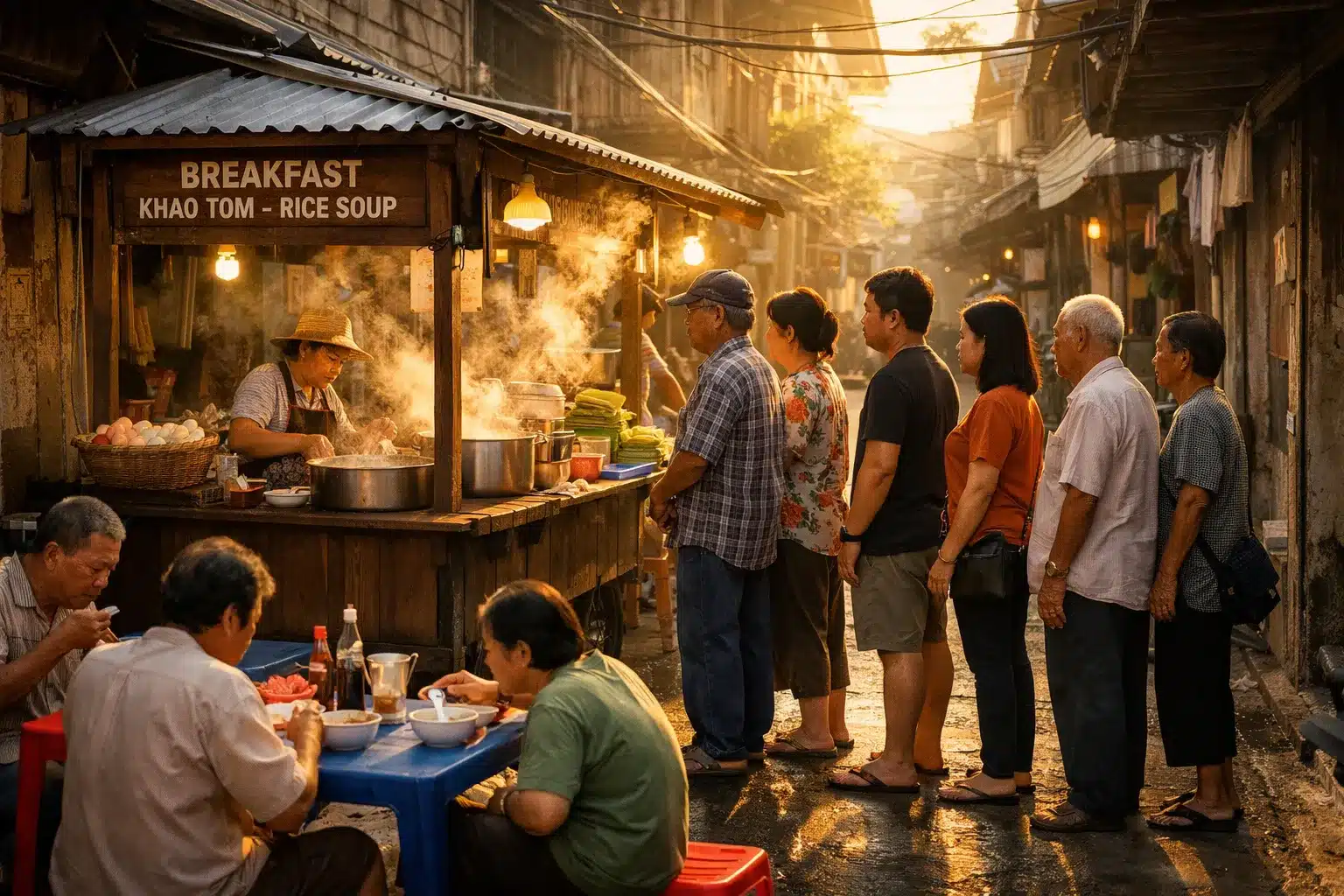
We evaluate street food through visible heat, high local turnover, and sanitation baselines rather than polished branding. Natalia applies her food-safety review to these assessments, cross-referencing our family kitchen habits with current CDC Travelers’ Health guidelines.
Detailed vendor logic lives in our street-food guides; official references appear in the evidence vault below.
Kitchen Standards
Cooking with professional context
What are the essential global ingredients to keep in a home pantry?
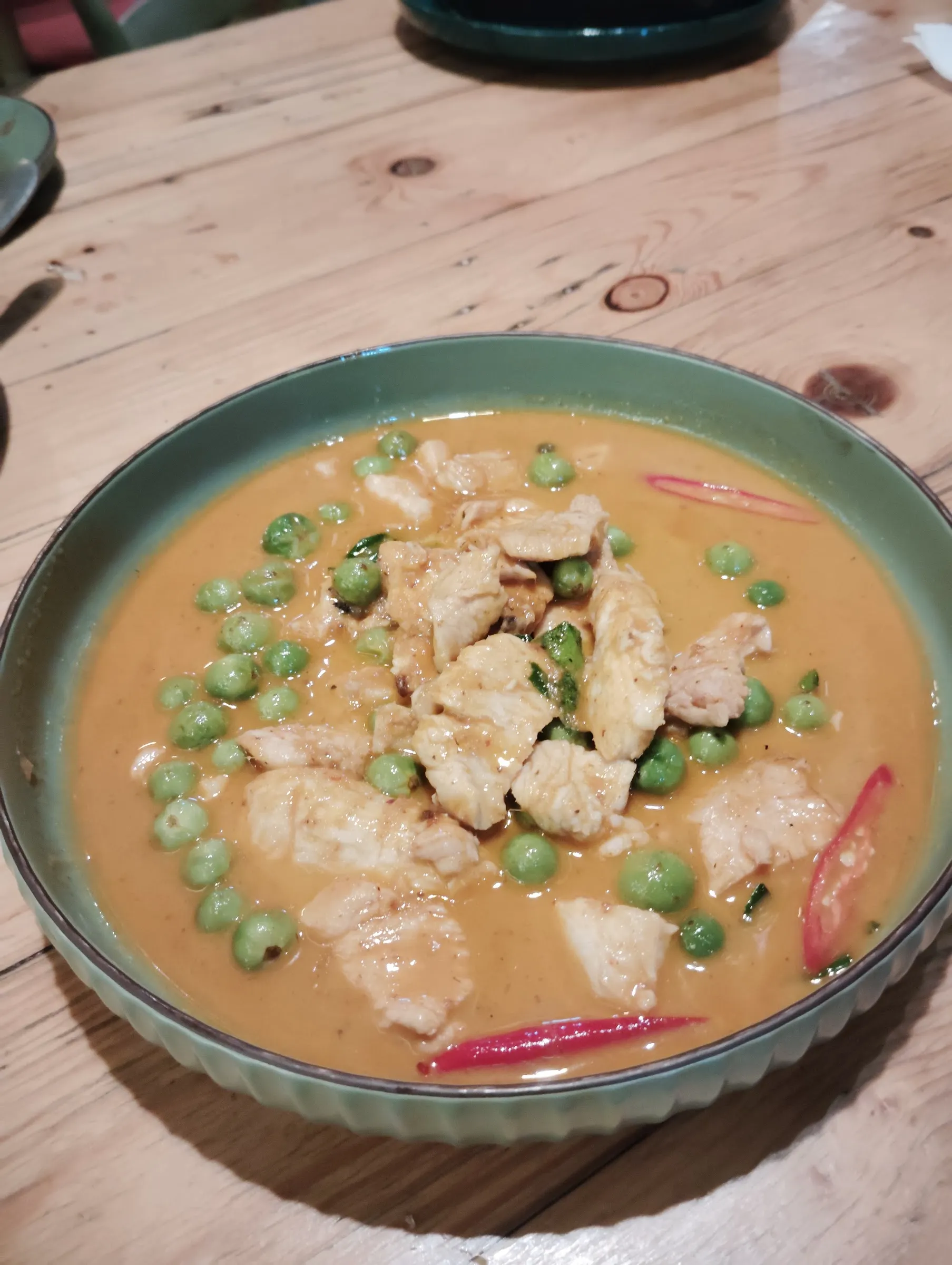
A functional global pantry relies on high-quality foundational ingredients rather than single-use spices. We recommend stocking versatile staples like authentic fish sauce, quality chilies, and proper aromatics, allowing you to adapt regional recipes accurately without constantly overbuying at the market.
To build your base, consult our Thai Ingredients for Beginners guide. If you are missing a component mid-recipe, our Ingredient Substitutes hub provides ratio-tested, culinary-approved swaps to save your dinner.
Why do you use grams instead of cups in your recipes?
We use grams because weight provides absolute repeatability, eliminating the inconsistencies of volume measurements across different climates and ingredient densities. This weight-based standard ensures our home recipes yield the exact same technical result in your kitchen as they did in ours.
When auditing nutritional integrity or ingredient density, precision is paramount. We cross-reference gram weights with the databases listed in the evidence vault below.
Integrity Standards
How we publish responsibly
How do you handle affiliate links and sponsorships?
We only recommend tools, hotels, and ingredients we personally use and trust in our own family life. If a guide contains affiliate links or sponsored placements, we state it clearly at the top. Transparency is a core part of our editorial experience.
Review our Affiliate Disclosure and Editorial Policy to understand exactly where the lines between editorial independence and commercial partnerships sit.
Can readers use your photographs or republish your content?
One image may be quoted with clear attribution and a direct link back to the original source page, but full articles, recipes, and photo sets should not be republished without written permission. We want sharing to stay respectful to the work behind the archive.
Photography is part of how we document food and travel honestly, capturing the real context of a market or a kitchen rather than just decorating a page.
Human Authority
Who is speaking here
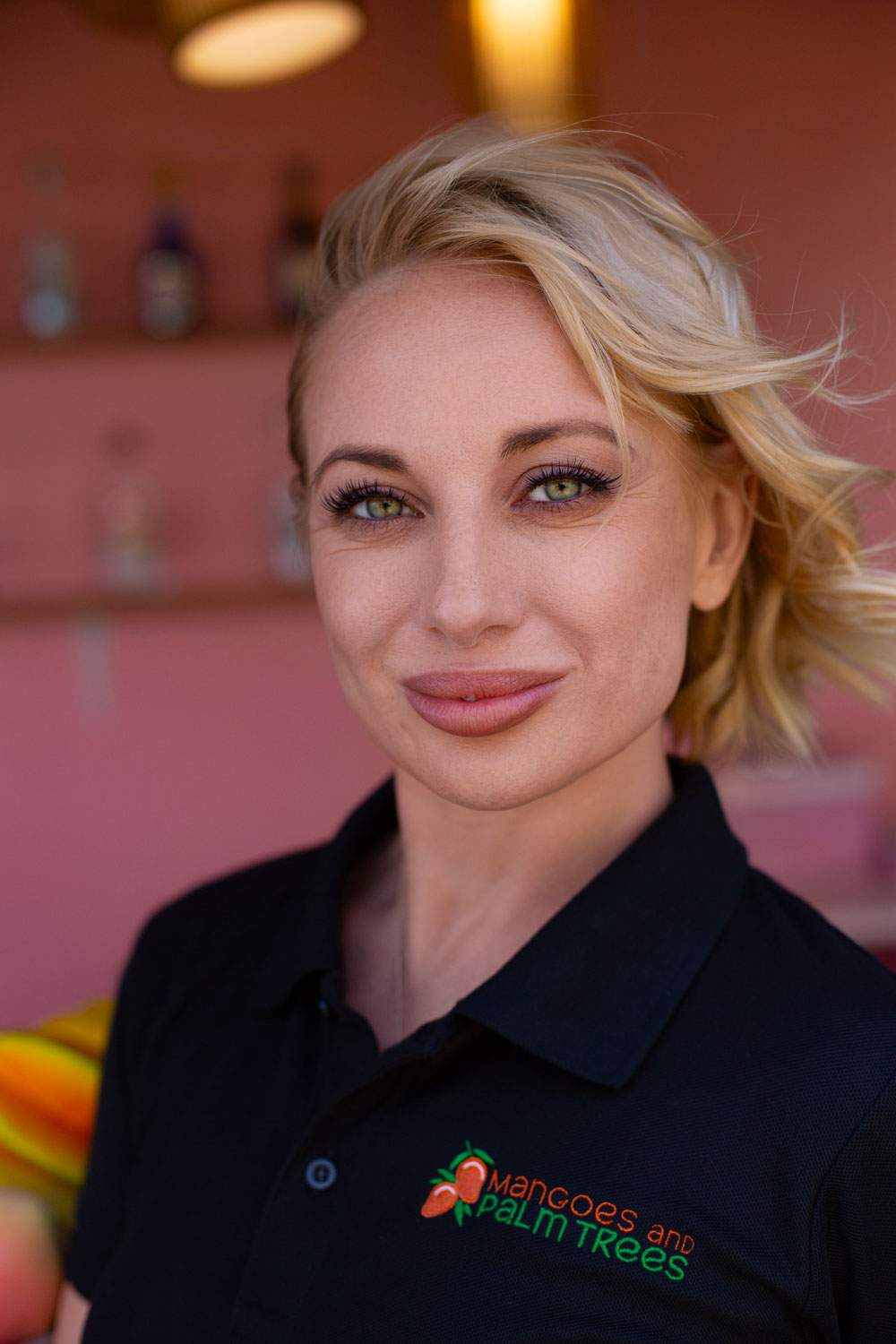
Mangoes & Palm Trees works best when readers can see the people behind the answers. This archive ties practical logistics, cultural care, and family realism back to the Mayerhoffer family rather than presenting anonymous, machine-generated authority.
Oliver Mayerhoffer
Lead author & publication systems
Oliver leads route logic, kitchen practicality, and the editorial architecture behind every page — answer-first structure, internal citation registry, and the field evidence you see across the archive.
Natalia helps keep the site culturally respectful, emotionally grounded, and attentive to family-use realism. Her role is especially important when heritage, preservation logic, or household safety sits at the center of a recipe.
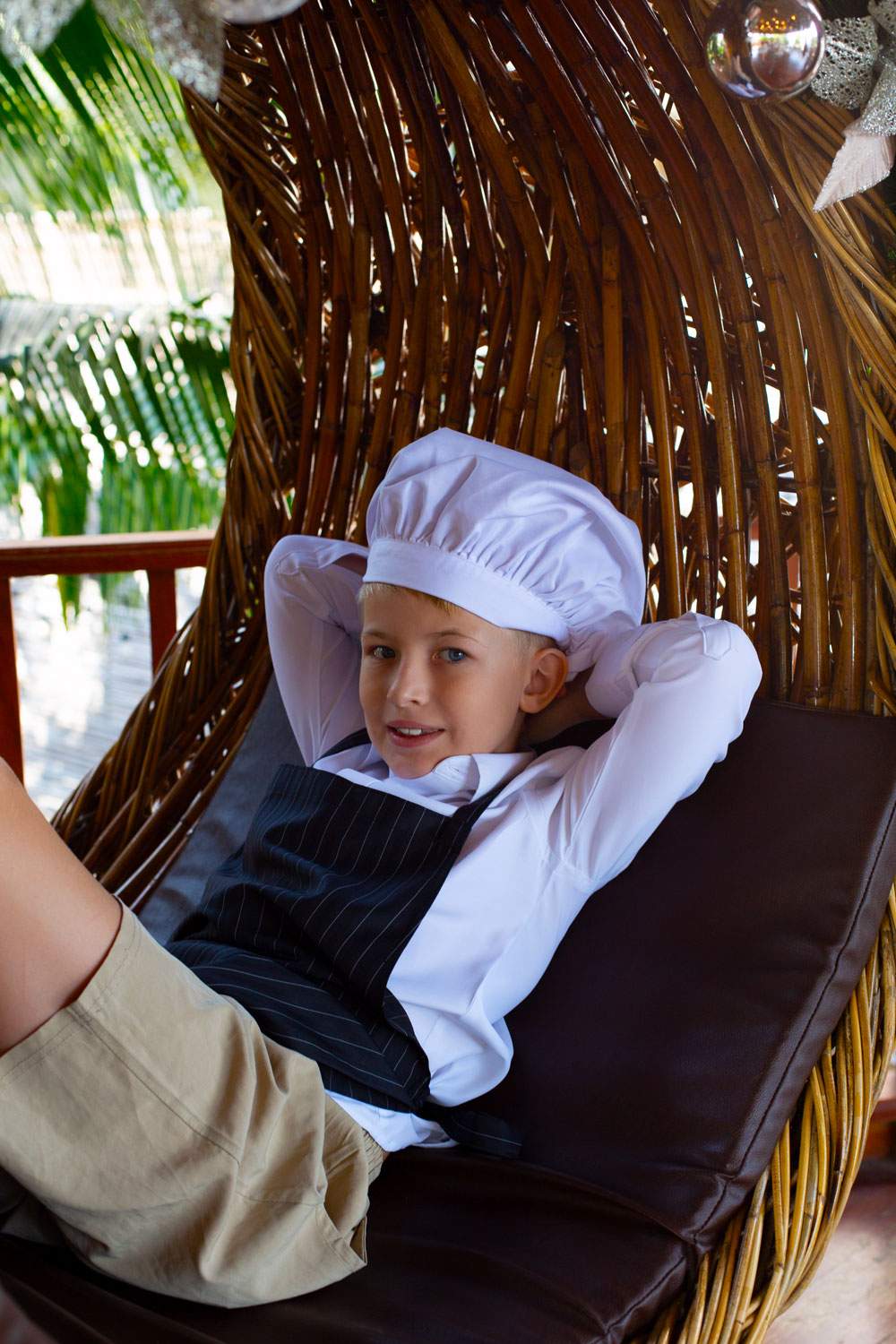
Victor is our resident travel scout and practical family filter. If a recipe is too fussy for a busy weeknight, or if a travel route causes a total breakdown, it doesn’t pass our family reality check and stays out of the archive.
How do you plan family travel logistics for Southeast Asia?
We build logistics-first itineraries focusing on transfer timing, realistic family pacing, and vetted accommodations. We audit routes personally before publishing, moving beyond aspirational travel to provide usable blueprints for real families navigating foreign transit.
How do you ensure street food is safe for kids?
We evaluate street food through visible heat, high local turnover, and sanitation baselines rather than polished branding. Natalia applies her food-safety review to these assessments, cross-referencing our family kitchen habits with current CDC Travelers’ Health guidelines.
What are the essential global ingredients to keep in a home pantry?
A functional global pantry relies on high-quality foundational ingredients rather than single-use spices. We recommend stocking versatile staples like authentic fish sauce, quality chilies, and proper aromatics, allowing you to adapt regional recipes accurately without constantly overbuying at the market.
Why do you use grams instead of cups in your recipes?
We use grams because weight provides absolute repeatability, eliminating the inconsistencies of volume measurements across different climates and ingredient densities. This weight-based standard ensures our home recipes yield the exact same technical result in your kitchen as they did in ours.
How do you handle affiliate links and sponsorships?
We only recommend tools, hotels, and ingredients we personally use and trust in our own family life. If a guide contains affiliate links or sponsored placements, we state it clearly at the top. Transparency is a core part of our editorial experience.
Verified references
Evidence vault
Outbound official links used for nutrition density, travel health, and food-safety cross-checks—kept here so FAQ answer blocks stay link-free in the body copy.
Lead author — fifty-country archive, currently traveling Southeast Asia through July 2026. Oliver brings field-tested recipe structure and honest weeknight notes from family kitchens abroad.
We prioritize lived family experience first. When entry rules, food safety, or heritage context matter, we cross-reference field notes with official references listed below.
Websites store cookies to enhance functionality and personalise your experience. You can manage your preferences, but blocking some cookies may impact site performance and services.
Essential cookies enable basic functions and are necessary for the proper function of the website.
Name
Description
Duration
Cookie Preferences
This cookie is used to store the user's cookie consent preferences.