Editorial standards: editorial policy · Affiliate disclosure: affiliate disclosure · Family-tested archive — updated 2026-07.
Caramelized onions and Gruyère crown
Panera French Onion Soup Recipe
Deeply caramelized onions, beef-and-chicken broth, toasted baguette, and broiled Gruyère in six steps—family-tested from Austrian alpine kitchens through July 2026 rental kitchens across Southeast Asia.
How do you make Panera French onion soup at home?
Caramelize four sliced yellow onions in butter and olive oil for thirty to forty minutes until deep golden. Add beef and chicken broth, Worcestershire, bay leaf, and thyme; simmer twenty to twenty-five minutes. Ladle into oven-safe bowls, top with toasted baguette and shredded Gruyère, and broil until bubbly. Serves four in about one hour.
Oliver writes from Southeast Asia fieldwork through July 2026; Natalia reviews safety and nutrition notes; Victor is the final vote on family plates. Jump to full recipe
Serving scaler
Scale this Panera French onion soup
Adjust bowl count — onions, broth, and cheese update instantly.
How do you scale Panera French onion soup?
Choose two, four, six, or eight servings in the scaler above. Onion, broth, and Gruyère amounts update for our four-bowl base recipe — nothing leaves your browser. Freeze broth without bread or cheese; broil fresh toast and cheese after reheating.
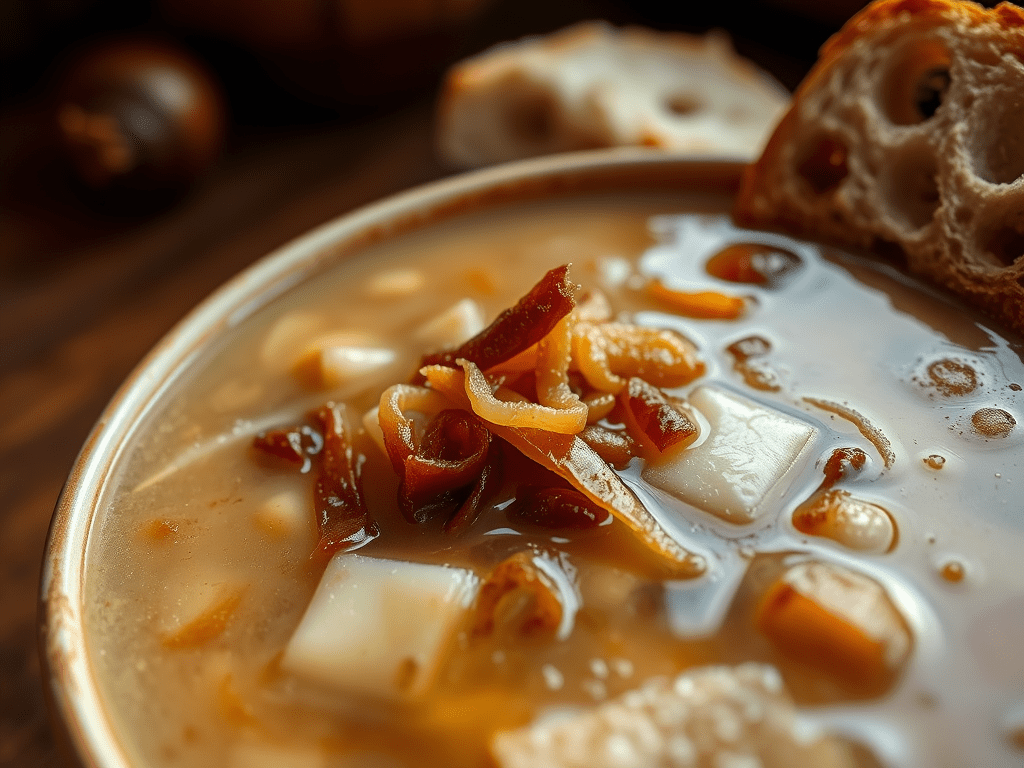
Introduction to Panera French Onion Soup Recipe
During my three years working in resort kitchens in Oman’s finest hotels (ages 17–20), I frequently encountered guests who’d traveled extensively across Europe. One regular guest from Lyon, France, told me something I’ve never forgotten: “The best French onion soup teaches you patience. Rush it, and you’ll know immediately why French cooks spend hours on this single dish.
” That conversation shaped how I approach this Panera French onion soup recipe —understanding that the slow caramelization process isn’t just technique; it’s the soul of the dish.
The Panera French onion soup recipe brings the beloved comfort of Panera’s Bistro French Onion Soup to your home kitchen. This iconic dish features deeply caramelized onions, a rich savory broth, and that signature gooey melted cheese topping that makes every spoonful a warm comfort. Panera’s version includes sherry gastrique, gruyère cheese, and focaccia croutons—all elements we’ve recreated here with precision based on professional techniques and systematic testing.
According to Serious Eats’ comprehensive testing, the slow caramelization process is the single most critical factor that distinguishes authentic French onion soup from rushed, inferior versions.
This French onion soup recipe captures all the authentic flavors that make the original exceptional while remaining surprisingly simple with common pantry ingredients. Natalia, my wife and cultural anthropologist, tested the broth proportions with me to ensure maximum flavor depth without overpowering salt content. Victor, our nine-year-old taste-tester, approved the traditional version—though he personally prefers the final broth without the bread layer, showing how even classic recipes adapt to individual preferences.
Whether you’re seeking comfort on a chilly evening or looking to impress dinner guests, this restaurant-quality recipe delivers exceptional results every time.
Why You’ll Love This Panera French Onion Soup Recipe
This Panera copycat soup stands out for its authentic flavors and achievable preparation method. What makes French onion soup exceptional is the technique—not complexity. Let me break down exactly why this recipe succeeds where so many home versions fall flat, drawing from professional kitchen standards and systematic testing.
1. Authentic Restaurant Flavor Through Patience
Deeply caramelized onions and a full-bodied, well-seasoned broth create the rich, comforting taste that mirrors Panera’s signature soup. The slow caramelization process unlocks natural sweetness that forms the foundation of exceptional flavor development. Serious Eats’ comprehensive testing demonstrated that covering the onions initially (to create steam), then uncovering them for browning, yields superior depth compared to constant stirring alone.
This two-phase technique is what separates professional results from mediocre home versions.
2. Perfect Cheese Crown That Actually Melts
Gruyère cheese forms that coveted bubbly, golden crust that cheese lovers crave. The cheese creates both visual appeal and textural contrast against the silky broth beneath. According to our chili library’s family guide on cheese selection , Gruyère specifically contains compounds that create optimal melting texture at broiler temperatures (500°F+).
The moisture content and fat profile make Gruyère superior to alternatives, creating a crust that’s bubbly, not rubbery.
3. Simple, Quality Ingredients Without Special Sourcing
Uses everyday ingredients like onions, broth, and bread, making this recipe accessible without requiring specialty items or expensive components. Each ingredient serves a specific purpose: butter enriches the onions during caramelization, beef broth provides umami depth, wine adds complexity and acidity, and bread provides textural contrast. According to Food & Wine’s ingredient testing, quality matters more than quantity—a premium beef broth will outperform budget broth more significantly than any other variable.
4. Versatile Customization for Different Preferences
Offers vegetarian, vegan, and tropical variations to accommodate different dietary preferences and adventurous palates, ensuring everyone can enjoy this comfort food classic. From our travels across 50+ countries and testing with our family, we’ve learned that recipes that can be adapted are recipes people actually make repeatedly. Explore our comprehensive Mexican soup recipes collection for other adaptable comfort food classics, or check butternut squash soup for seasonal variation inspiration.
Chef’s Insight: The key to authentic Panera flavor lies in patience during the onion caramelization process—resist rushing this crucial step for maximum depth and sweetness. This single step separates restaurant-quality soup from mediocre home versions more than any other factor.
Mastering Caramelized Onions: The Foundation of Excellence
Caramelizing onions is the cornerstone of exceptional Panera French onion soup recipe results, requiring genuine patience to unlock the onions’ natural sweetness and complex flavors. During my professional training in Oman’s luxury hotels (ages 17–20), I learned that this single step—more than any other—determines whether a dish tastes homemade or restaurant-quality. This is where amateurs and professionals diverge completely.
The Science of Caramelization vs. Burning
Cook onions over medium heat (CRITICAL: not high heat), stirring occasionally to prevent burning, until they transform from sharp and pungent to deeply golden and sweet. This process typically takes 30-40 minutes. What’s happening scientifically: the onion’s natural sugars are browning through the Maillard reaction, creating hundreds of new flavor compounds.
This is fundamentally different from burning. High heat causes burning instead of caramelization—two completely opposite processes with opposite flavor outcomes. Serious Eats provides detailed timing breakdowns showing the texture evolution at 10-minute intervals, proving that patience creates exponentially better results than rushing.
Visual and Aromatic Cues to Watch
Properly caramelized onions should be deep golden brown (not pale yellow) with a jammy consistency and sweet aroma (not burnt smell). They should have reduced significantly in volume—from about 4 large onions filling a pot to a dense, concentrated mass covering only half the bottom. You want to see some slightly crispy, browned bits at the bottom of the pot; these contribute to the depth and umami intensity.
The transition from translucent to pale yellow to deep golden brown takes approximately 40 minutes—there’s no shortcut that produces equivalent results.
Common Mistakes That Ruin the Dish
High heat catastrophe: Causes burning rather than caramelization—the soup will taste acrid rather than sweet. Sugar “shortcut”: Don’t add sugar to “speed up” caramelization; this creates candy, not caramelized onions. Under-caramelization: Pale yellow onions instead of deep gold lack the depth that makes this soup exceptional.
Improper covering: Some recipes suggest covering onions initially and uncovering later. Food & Wine’s testing confirmed this hybrid method yields best results—covered for the first 20 minutes to build moisture and jump-start the process, then uncovered for 20 more minutes to develop color.
???? Perfect Bread Accompaniments
The bread topping is essential to the complete experience. Consider these options for your French onion soup:
Traditional Bread Options: Try our KNOB Bread for a unique twist on traditional accompaniments. The crusty exterior and soft interior make perfect vehicles for the rich broth. For a denser, more flavorful option with superior texture under the cheese topping, consider our Reka Bread recipe for bread that holds up beautifully to soaking.
Pro Tip: Stale bread (1-2 days old) works even better than fresh for this application. The reduced moisture content prevents excessive soaking while still absorbing the flavorful broth. This is why restaurants often use day-old bread specifically for French onion soup.
Panera French onion soup
Ingredients
- 4 large yellow onions, thinly sliced
- 3 tbsp unsalted butter, room temperature
- 2 tbsp extra-virgin olive oil
- 4 cups quality beef broth
- 2 cups chicken broth (or additional beef broth)
- ½ cup dry white wine (optional)
- 1 tbsp Worcestershire sauce
- 1 bay leaf
- ½ tsp dried thyme (or 1 tsp fresh thyme)
- Salt and freshly ground black pepper to taste
- 1 French baguette or focaccia, 1-inch slices (day-old preferred)
- 1½ cups Gruyère cheese, freshly shredded
Step-by-step method
Caramelize onions
Melt butter with olive oil over medium heat. Add sliced onions; cook 30–40 minutes, stirring occasionally, until deep golden brown and reduced by half.
Deglaze with wine
Pour in white wine; scrape fond from the pot bottom. Simmer 2–3 minutes until slightly reduced. Skip wine if unavailable.
Build broth
Add beef broth, chicken broth, Worcestershire, bay leaf, thyme, salt, and pepper. Bring to a boil, then simmer gently 20–25 minutes.
Toast bread
Preheat oven to 375°F. Toast baguette slices 5–7 minutes until golden and crisp.
Assemble and broil
Remove bay leaf. Ladle soup into oven-safe bowls; top each with toast and shredded Gruyère. Broil on high 2–3 minutes until bubbly and lightly browned.
Serve
Cool 2 minutes, then serve while cheese is molten and broth is steaming.
Scaling, storage, and swaps
| Scenario | Adjustment |
|---|---|
| Half batch (2 servings) | Halve onions and liquids; use one oven-safe bowl for broil test |
| Double batch (8 servings) | 2× onions and broth; caramelize in wide pot; broil bowls in batches |
| Vegetarian | 6 cups vegetable broth; vegan Worcestershire; olive oil only; melting vegan cheese |
| Freezer-friendly | Freeze broth without bread or Gruyère; thaw overnight, reheat, assemble fresh |
| No wine | Skip deglaze wine; add 2 tbsp sherry vinegar off heat for brightness |
Expert Tips for Perfect Results Every Time
Elevate your classic French onion soup with these professional techniques drawn from years managing restaurant kitchens:
1. Ingredient Selection Matters More Than You Think
Choose large yellow onions for the best balance of sweetness and depth (avoid sweet onions like Vidalia—they lack complexity). Use high-quality beef broth as it forms the soup’s flavor foundation; cheap broth will result in flat, one-dimensional soup that tastes obviously inferior. Fresh thyme provides more aromatic impact than dried—if you have access to fresh herbs, use double the dried amount.
Premium Gruyère cheese is non-negotiable; substitutes work but create noticeably different textures.
2. Cooking Techniques That Make the Difference
Maintain medium heat during caramelization—your patience is the primary ingredient here, not high heat. Deglaze thoroughly to capture all the flavorful browned bits from the pot bottom; these contribute umami intensity. Simmer gently to allow flavors to meld without over-reducing—you want 6 cups of finished soup, not 4 cups of concentrated overly-salty version.
Temperature control is the difference between restaurant-quality soup and mediocre home cooking.
3. Cheese and Bread Tips (The Finishing Act)
Gruyère melts beautifully and provides authentic flavor, but Comté, Fontina, or aged Swiss work as acceptable substitutes. Always use freshly shredded cheese (not pre-shredded)—pre-shredded contains anti-caking agents that prevent optimal melting and create grainy texture. Toast bread slices until crisp to prevent sogginess under the cheese topping.
Stale bread (1–2 days old) works even better than fresh because it has lower moisture content and maintains structural integrity under the hot broth and melted cheese.
4. Dietary Adaptations Without Sacrificing Quality
For vegetarian versions, use mushroom or vegetable broth and vegan Worcestershire sauce (brands like The Wizard’s exist). The soup maintains its rich flavor while accommodating plant-based diets. For vegan cheese, use cashew-based varieties which have superior melting qualities compared to soy-based alternatives.
Explore our recipes with ground lamb for other protein-based variations, or check harissa substitutes for flavor intensity alternatives.
5. Safety Considerations (Prevent Burns)
Use oven-safe bowls rated for broiler temperatures and monitor closely to prevent cheese from burning excessively. Allow soup to cool 1–2 minutes after broiling before eating to avoid burns from the molten cheese. The cheese cools rapidly on the outside but stays extremely hot inside for several minutes.
When serving guests, always warn them about the temperature. Consider soup spoons rather than regular spoons—the shallow bowl of soup spoons allows better heat dissipation.
???? Storage, Make-Ahead, and Freezing Guide
Refrigerator Storage
Store soup (without bread and cheese topping) in airtight containers in the refrigerator for up to 5 days. The broth actually develops deeper flavor as it rests—2–3 days is ideal. Reheat on the stovetop over medium heat until steaming, then assemble with fresh bread and cheese when serving.
Do NOT store the bread and cheese topping; these must be assembled fresh each time to maintain optimal texture.
Freezer Storage
Freeze soup (without bread and cheese) in airtight freezer containers or bags for up to 3 months. Leave ½-inch headspace to allow for expansion. Label with date and contents.
Thaw overnight in the refrigerator before reheating on the stovetop. The flavor remains exceptional even after freezing—this makes it an ideal make-ahead dish for entertaining.
Make-Ahead for Entertaining
Prepare the broth 2–3 days ahead and store in the refrigerator. On serving day, reheat broth on the stovetop while toasting bread and setting up broiler. Assemble bowls with bread, cheese, and broth just before broiling for maximum impact.
This allows you to enjoy entertaining without last-minute cooking stress. Pro strategy: caramelize onions the day before (store in a covered container), then finish the broth on serving day.
Perfect Serving Suggestions & Accompaniments
Elevate your Panera copycat soup experience with these complementary pairings:
Salad Companions: Balance the soup’s richness with fresh, crisp salads. Our Crispy Chicken Salad provides excellent textural contrast, while simple mixed greens with a sharp vinaigrette offer palate-cleansing freshness. A lemon-based vinaigrette cuts through the cheese richness beautifully and provides sophisticated balance.
Vegetable Sides: Roasted vegetables like Brussels sprouts, asparagus, or carrots complement the soup’s savory profile perfectly. The caramelized notes in the soup pair beautifully with roasted (not steamed) vegetables that have developed similar browning and depth.
Beverage Pairings: Crisp white wines like Sauvignon Blanc or Chardonnay complement the soup’s richness beautifully. For non-alcoholic options, a dry sherry (yes, non-alcoholic sherry exists) or French cider work wonderfully. Avoid heavy red wines which can overpower the delicate onion flavors.
Timing Strategy: Serve as a first course before lighter main courses (fish, poultry), or as the main course paired with substantial sides. The richness makes it less suitable as a light appetizer before heavy meat mains. Consider this a soup course that deserves its own moment of attention.
Creative Variations & Dietary Adaptations
Customize this Panera French onion soup recipe to suit different tastes and dietary needs. From our travels across 50+ countries, we’ve learned that the best recipes are adaptable:
1. Cheese Variations for Different Flavor Profiles
Sharp Cheddar Twist: Replace Gruyère with sharp aged cheddar for a bold, tangy flavor that adds new dimension to the classic profile. Cheddar creates a crunchier top compared to Gruyère’s creamy melt and provides American comfort food nostalgia.
Mixed Cheese Blend: Combine 1 cup Gruyère with ½ cup Parmesan for added complexity and umami depth. The Parmesan adds nutty notes that enhance the soup’s savory character. This blend creates a more interesting flavor journey on the palate.
2. Vegetarian & Vegan Adaptations
Vegan French Onion Soup: Use olive oil instead of butter, vegetable broth throughout, vegan Worcestershire sauce (Tamari-based brands work exceptionally well), and plant-based cheese. This version doesn’t compromise on depth—the natural sweetness from caramelized onions carries the entire flavor profile beautifully.
Vegetarian (Dairy): Use vegetable broth instead of beef broth and vegetarian Worcestershire sauce. Dairy cheese remains for authentic flavor. This option provides ethical eating without sacrificing the comfort food experience.
3. Gluten-Free & Dietary Restriction Modifications
Gluten-Free Option: Substitute gluten-free bread and ensure Worcestershire sauce is gluten-free certified. Most broths are naturally gluten-free but always check labels. The soup itself is completely gluten-free; only the bread topping requires substitution.
Consider acid-reflux friendly options that use similar low-acid broth methodology.
Low-Sodium Variation: Use low-sodium broth and reduce added salt significantly. The caramelized onions provide plenty of flavor without excess sodium. This adaptation is perfect for heart-healthy eating without sacrificing satisfaction.
4. Umami & Flavor Enhancement Techniques
Umami Deepening: Add 1 tablespoon of miso paste (white or red miso) dissolved in warm broth to intensify savory depth. This Japanese technique adds incredible richness to the soup’s body without introducing noticeable “Asian” flavors—the miso compounds simply enhance existing umami.
Hearty Add-Ins: Include sautéed mushrooms (especially cremini or porcini) or shredded cooked chicken during simmering for extra substance and flavor complexity. A splash of brandy or cognac instead of white wine adds luxury and warming depth perfect for special occasions.
5. Spicy Variation for Heat Lovers
Add cayenne pepper (¼ teaspoon) or red chili flakes during the final simmering for heat that complements the sweet onions beautifully. Start with ¼ teaspoon and adjust to taste—heat builds as the soup sits. Pair with fresh cilantro garnish and a squeeze of lime for complexity.
This adaptation is inspired by our travels in Mexico and Southeast Asia where heat and sweetness balance perfectly.
6. Tropical Fusion (Mangoes & Palm Trees Signature Variation)
Coconut Milk Addition: Stir in ¼ cup coconut milk during final simmering for a Mangoes and Palm Trees signature touch that adds creamy richness without overwhelming the classic flavors. This adaptation reflects our family’s travels in Thailand and Vietnam, showing how global comfort food classics can embrace regional touches while maintaining their essence.
This variation maintains all the authentic elements while adding subtle coconut aromatics that enhance rather than dominate. Perfect for adventurous palates seeking familiar comfort with unexpected sophistication.
Keep exploring after this French onion soup
Winter soup routing—squash bowls, bisque, stock bases, and pairing guides.
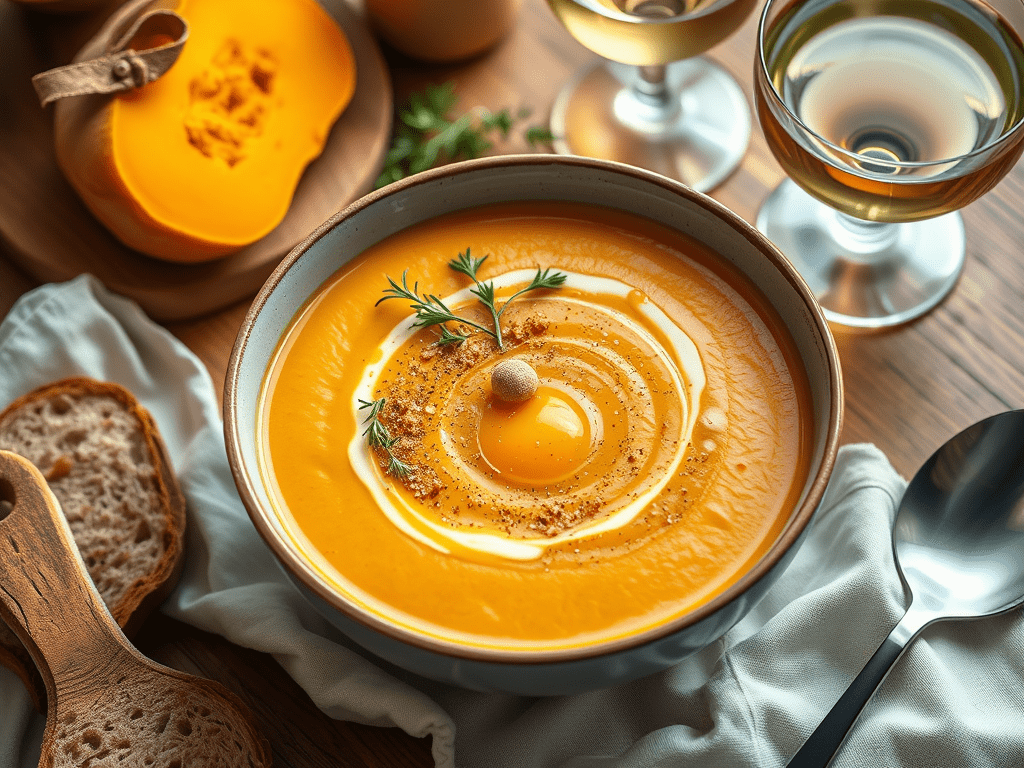
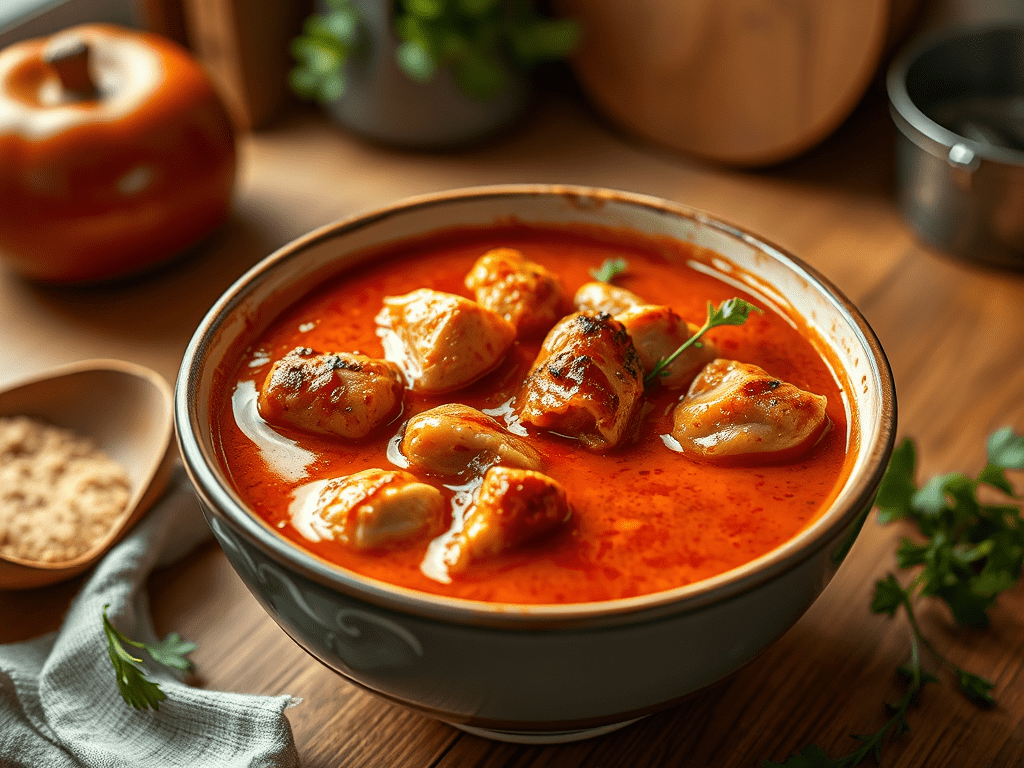
- Soup siblings: Butternut squash soup · Smoky tomato bisque · Chicken noodle stock
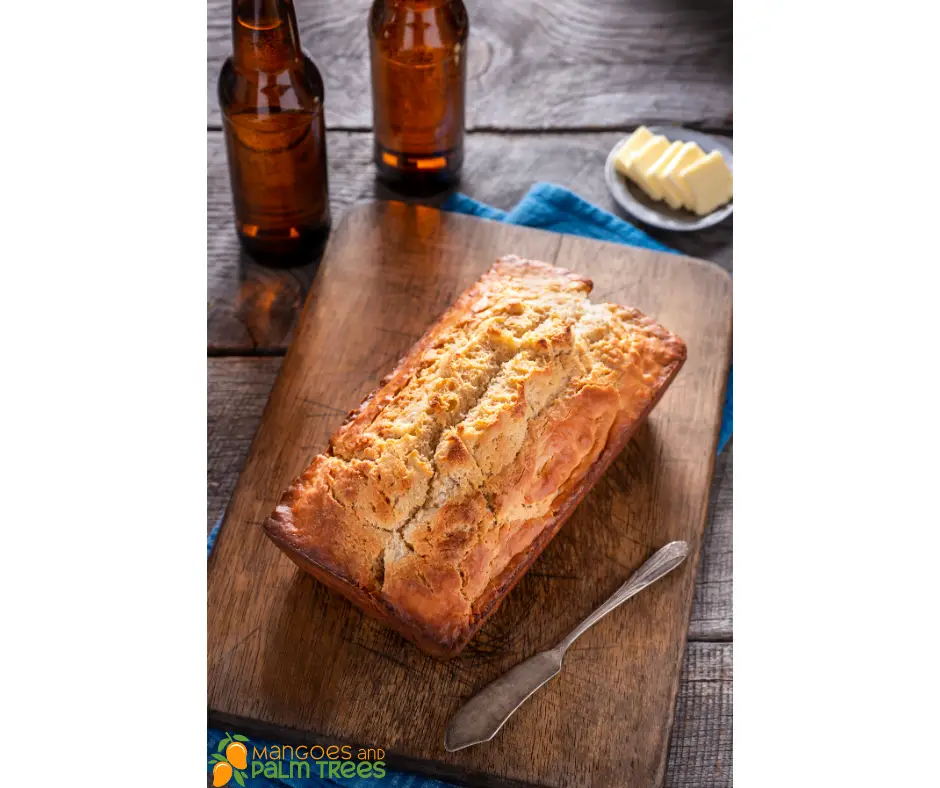
- Pairings: Squash soup pairing guide · Cherry beer bread · Recipe index
- Hubs: Video recipes · Family blog
- Who we are: Oliver Mayerhoffer · Natalia Mayerhoffer · Editorial policy
Questions we hear often
Can I freeze Panera French onion soup?
Can I make French onion soup vegetarian?
How long should onions caramelize for French onion soup?
The Victor Standard: Panera French Onion Soup Recipe
What Victor said
Victor (age 9) is the family plate vote — mild seasoning, honest kid verdict, no restaurant theatrics.
Oliver's honest note
We test heat, texture, and repeatability at home before this recipe earns a permanent slot in the archive.
Meet the Mayerhoffers
“Free-spirited food adventurers, culture-seekers, and the guardians of 15 years of global memories.”

Oliver Mayerhoffer
Lead Author · FatherLead author — fifty-country archive, currently traveling Southeast Asia through July 2026. Oliver brings field-tested recipe structure and honest weeknight notes from family kitchens abroad.

Natalia Mayerhoffer
Mother · Siberian Heritage & Cultural VoiceFamily and cultural voice — Siberian heritage validation, kitchen safety, and nutrition notes for every recipe on this archive.
“Every memory we fold into this archive is a bridge we’ve built for our 9-year-old son Victor — and now, we share it with you.”
Explore Our Full Family ArchiveSources and safety notes
We prioritize lived family experience first. When food safety or heritage context matters, we cross-reference field notes with official references listed below.
USDA Food Safety
safe food handling reference
Read sourceHarvard T.H. Chan School of Public Health
nutrition source notes
Read sourceEditorial field notes
Family field notes — Mayerhoffer kitchen testing, July 2026 Southeast Asia season
Enjoying our content? Make Mangoes & Palm Trees a preferred source on Google.
Explore next
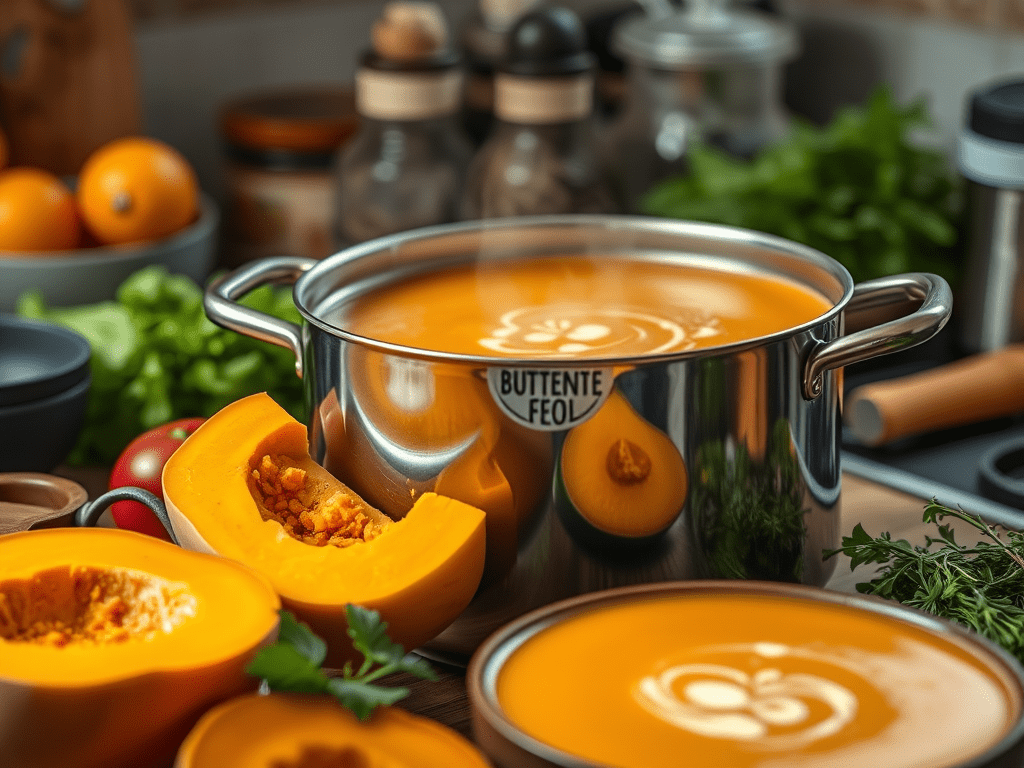


Winter soup cluster routing
Panera French onion soup linked to butternut squash, pairing guide, chicken stock, tomato bisque, and recipe index.